
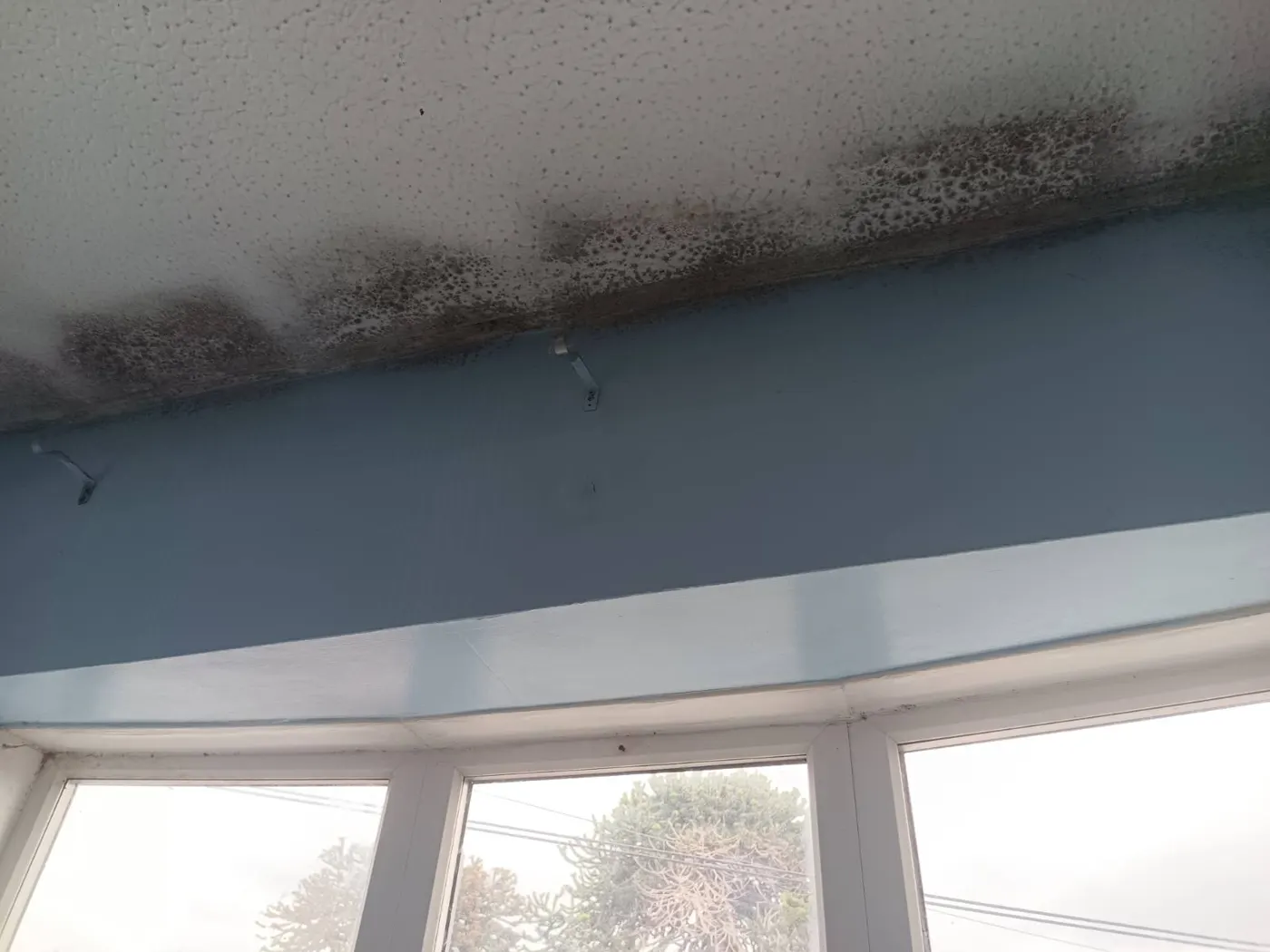
Yes. According to the NHS, living with damp and mould makes you more likely to have respiratory problems, respiratory infections, allergies or asthma, and it can affect the immune system. Babies and children, older people, and anyone with asthma, allergies, eczema or a weakened immune system are most at risk. The only lasting protection is to remove the mould and fix the moisture behind it.
This guide explains how damp and mould affect health, who is most at risk, what the law now says, and what to do if you are worried. It is general information, not medical advice. If you have symptoms, speak to your GP.
Key facts
- Mould releases spores and other particles into the air, which can be breathed in.
- The NHS lists respiratory problems, respiratory infections, allergies, asthma and effects on the immune system as risks of damp and mould.
- In 2023 the UK government published guidance for landlords on the health risks of damp and mould, following the death of two-year-old Awaab Ishak in Rochdale in December 2020. A coroner found his death was caused by prolonged exposure to mould in his home.
- Awaab’s Law now sets legal time limits for social landlords in England to investigate and fix damp and mould hazards.
- Cleaning mould off a wall does not stop it coming back. The moisture source must be fixed.
How damp and mould affect health
Mould grows wherever moisture sits on a surface for long enough. As it grows, it releases tiny spores and fragments into the air. When these are breathed in they can irritate the nose, throat and lungs and trigger allergic reactions. Damp homes also tend to have high humidity, which encourages dust mites, another common trigger for asthma and allergies.
Symptoms people commonly report include a blocked or runny nose, sneezing, coughing, wheezing, sore eyes and skin rashes. People with asthma may find their symptoms get worse.
Who is most at risk
- Babies and young children.
- Older people.
- People with existing skin problems such as eczema.
- People with respiratory conditions such as asthma, allergies or COPD.
- People with weakened immune systems, for example during cancer treatment.
Children’s bedrooms are a particular concern because they spend long hours there, and cold external walls behind beds and wardrobes are where mould often starts. See our guide to mould in bedrooms.
Is black mould more dangerous?
“Black mould” is a general name for several dark-coloured moulds. You cannot tell which species it is by looking, and every type of household mould can cause health problems for sensitive people. The safest approach is to treat all mould as something to remove properly and prevent from returning. Read more in black mould health risks and types of mould in your home.
What the law says
Damp and mould are hazards under the Housing Health and Safety Rating System used to assess homes in England. Following Awaab Ishak’s death, the government published guidance making clear that landlords must act quickly on damp and mould and must not blame tenants’ lifestyles. Awaab’s Law has introduced fixed timescales for social landlords to investigate and repair damp and mould hazards, and the government has said similar requirements will be extended to the private rented sector. Landlords can read our Awaab’s Law guide.
What to do if you have mould at home
- Do not just bleach it. Bleach can lighten the stain but rarely kills mould in porous surfaces. See why bleach does not work on mould.
- Reduce moisture now. Use extractor fans, open windows briefly after showers and cooking, dry washing outside or in a ventilated room, and keep furniture a little away from cold walls.
- Find the cause. Mould comes from condensation, penetrating damp, rising damp or a leak. Each needs a different fix.
- Treat and prevent. Professional anti-microbial treatment, removal of contaminated materials, and a lasting fix such as Positive Input Ventilation or damp repairs.
- Talk to your GP if anyone in the home has symptoms that could be linked.
Common questions
Can damp and mould make you ill?
Yes. The NHS says damp and mould make respiratory problems, infections, allergies and asthma more likely and can affect the immune system. Babies, children, older people and those with existing conditions are most at risk.
What are the symptoms of mould exposure?
Common symptoms include a blocked or runny nose, sneezing, coughing, wheezing, sore eyes and skin irritation. Asthma can get worse. Speak to your GP if you are concerned.
Is it safe to sleep in a room with mould?
It is best avoided, especially for children and anyone with asthma or allergies. Have the mould treated and the moisture cause fixed as soon as possible.
Does cleaning mould make it go away?
Only for a while. Mould returns while the moisture remains. Lasting results come from treating the mould and fixing the condensation, leak or damp behind it.
What should landlords do about mould complaints?
Investigate quickly, fix the cause, keep written records and keep tenants informed. Social landlords now have legal time limits under Awaab’s Law.
Get a straight answer for your home
Book a complimentary In-Depth Survey and one of our ISSE-accredited surveyors will find the cause, show you the readings and give you a written, itemised quote. Proofterior is a Which? Trusted Trader, and our work carries a 25-year, GPI insurance-backed guarantee. Call 01202 287503 or request a callback. We'll phone you back within 5 minutes.