






OUR SERVICES
Diagnose What Your Property Needs
We provide purpose-built solutions that last. Resolving damp issues, eradicating mould, and preserving timber. Every service is delivered by trained specialists and supported by robust guarantees* across Dorset & Hampshire.
- Damp Proofing Services
- Mould Remediation & Prevention
- Condensation
- Timber Preservation
- Roofing
- Insulation & EPC Enhancement
- Structural & Water Damage Services
- Survey & Diagnostic Services
Get Your Free Report & Quote Done in as little as 24 hours
Damp Proofing
Keep your home dry and protected with expert damp proofing for rising damp, penetrating damp, and condensation. We carry out a property survey to find where moisture is coming from, then recommend the right treatment such as a damp proof course (DPC), repairs to stop water ingress, and condensation control solutions. This helps prevent damaged plaster, musty smells, and long-term structural issues.
Rising damp occurs when groundwater is drawn up through porous brickwork and mortar by capillary action due to a missing, failed or bridged damp proof course (DPC). It is usually identified by a horizontal “tidemark” up to 1–1.5m high, crumbling or salty plaster, peeling paint and decaying skirting boards on ground floor walls. If ignored, rising damp can cause structural damage, persistent musty odours and unhealthy living conditions. Our specialist inspections confirm the presence of rising damp and hygroscopic salts before recommending an appropriate damp proofing system to create a durable barrier against future moisture.
Penetrating damp is caused by water entering the property horizontally through external walls, roofs or chimneys. Typical signs include isolated damp patches, staining and plaster damage that worsen after rain, often at any level of the building. Common causes are cracked render, defective pointing, porous brickwork, damaged flashings or blocked gutters and downpipes. Over time, this water ingress can damage internal finishes, promote mould growth and contribute to timber decay. Our surveys trace the exact source of water entry and specify targeted repairs and protective treatments to keep your property dry and weather‑resistant.
Properties with basements, cellars or below‑ground rooms often suffer from water ingress due to hydrostatic pressure and constant contact with damp ground. Symptoms can range from damp patches and salts to active leaks, peeling finishes and musty odours that make these spaces unusable. Without proper waterproofing, below‑ground areas remain vulnerable to repeated damage and poor indoor air quality. Our below‑ground assessments identify the pathways of water entry and inform the design of appropriate waterproofing systems to keep lower‑ground spaces dry, safe and habitable.
Timber Treatment & Restoration
If damp has reached your timbers, fast action matters. Our timber treatment services tackle wet rot, dry rot, and woodworm, helping protect joists, floors, roof timbers, and other structural wood. We identify the cause of the problem, treat the affected areas, and advise on prevention so timber stays strong and safe.
Wet rot happens when timber stays damp for long periods, often due to leaks, poor ventilation, or nearby damp walls. It can weaken joists, floors, roof timbers, and wooden structures over time. Worried about soft or crumbling timber? Book our Free Home Survey and we’ll find the moisture source and treat the damage properly.
Dry rot is a fungus that can spread through timber when moisture conditions allow, sometimes travelling beyond the obvious visible damage. It can cause serious structural issues if it is not treated early and correctly. Seen cracking timber, a musty smell, or suspected dry rot? Book our Free Home Survey before it spreads further.
Woodworm is caused by wood-boring insects whose larvae tunnel through timber. Over time it can weaken floors, joists, and roof timbers, especially in damp conditions. Not sure if it’s active woodworm or old damage? Book our Free Home Survey and we’ll inspect, confirm activity, and treat where needed.
Roofing Repairs & Upgrades
Roof defects can lead to leaks, damp patches, and costly internal damage. Our roofing repairs and upgrades help stop water getting into your property by addressing common issues like damaged coverings, weak points around chimneys, and weathered areas that allow rain to penetrate. If you need longer-term protection, we can also recommend suitable roof upgrade options.
Roof upgrades improve weather protection and help prevent leaks that lead to damp patches, mould, and internal damage. Worn roofing materials and weak details can let water in long before you see a major leak. Not sure if your roof is letting in moisture? Book our Free Home Survey and we’ll check the condition and recommend upgrades if needed.
Chimney‑related damp can arise from both external water ingress and internal condensation. Externally, failed lead flashings, porous chimney brickwork, damaged pots or poor pointing can allow rainwater to track into ceilings and chimney breasts. Internally, redundant or unventilated flues can trap moist air, leading to condensation and staining on chimney breast walls. Typical symptoms include damp patches, peeling paint and discoloured plaster around the chimney area. Our investigations pinpoint whether the cause is external ingress, internal condensation or both, and we provide clear recommendations for chimney repairs, improved ventilation and internal reinstatement.
Defective roof coverings, slipped tiles, failing flat roof membranes and poorly detailed junctions can all allow water to penetrate the property from above. Roof leaks often manifest as damp patches or staining on ceilings and upper‑floor walls, frequently worsening after heavy rain. Over time, ongoing water ingress can damage insulation, ceilings, timbers and internal finishes. Our roof‑level investigations identify the specific defects allowing water through and inform a programme of repairs and waterproofing works to restore a watertight envelope and protect the interior of your home.
Mould & Air Quality
We provide professional mould removal and prevention for homes with black mould, recurring condensation, or poor ventilation. We treat the affected surfaces and focus on the underlying cause, which is often excess humidity, cold spots, or airflow issues. The goal is a healthier home with improved indoor air quality and a lower risk of mould returning.
Black mould is a common fungus that appears as black or dark green spots on walls, ceilings, window reveals and other cold or damp surfaces. It thrives in humid conditions and is usually associated with condensation or water leaks. As well as being unsightly, black mould can release spores that trigger or worsen respiratory problems, allergies and asthma, so it should always be treated as a health‑related issue, not just a cosmetic one.
Indoor air quality refers to how clean, fresh and healthy the air inside your property is. Poor air quality is often linked to high humidity, condensation and black mould growth, especially in homes with limited natural ventilation. Stale, moisture‑laden air can carry pollutants, allergens and mould spores, which may worsen respiratory issues, allergies and general comfort for occupants. By improving ventilation and controlling airborne moisture – for example through Positive Input Ventilation (PIV) units and Passive Air Vents – indoor air is continuously refreshed, humidity levels are reduced, and conditions that allow mould to thrive are significantly reduced, creating a healthier, more comfortable living environment.
Condensation & Ventilation
We provide professional mould removal and prevention for homes with black mould, recurring condensation, or poor ventilation. We treat the affected surfaces and focus on the underlying cause, which is often excess humidity, cold spots, or airflow issues. The goal is a healthier home with improved indoor air quality and a lower risk of mould returning.
Condensation happens when warm, moisture‑laden air meets a surface that is at or below the dew‑point temperature, causing water droplets to form. In homes, this is most often seen on windows, external walls and in areas with poor air circulation. It is strongly linked to everyday activities such as cooking, bathing and drying clothes indoors, and is a primary cause of surface mould growth and damp‑feeling rooms.
Many condensation and mould problems are made worse because stale, humid air cannot escape and fresh air is not being brought in. Poor ventilation means the moisture generated by normal living remains trapped inside, raising humidity and encouraging condensation on cold surfaces. Improving air changes through systems like Positive Input Ventilation (PIV) units and passive air vents reduces humidity levels, helps prevent condensation forming and makes it harder for mould to grow back.
Cold external walls and structural cold bridges (such as concrete lintels or poorly insulated junctions) create cold spots where airborne moisture is more likely to condense. These areas are often where mould appears first, especially on north‑facing or poorly insulated walls. By raising internal surface temperatures with systems like ISO‑THERM internal insulation, these cold spots can be reduced, helping to break the condensation‑mould cycle.
Energy Efficiency Upgrades
Roof defects can lead to leaks, damp patches, and costly internal damage. Our roofing repairs and upgrades help stop water getting into your property by addressing common issues like damaged coverings, weak points around chimneys, and weathered areas that allow rain to penetrate. If you need longer-term protection, we can also recommend suitable roof upgrade options.
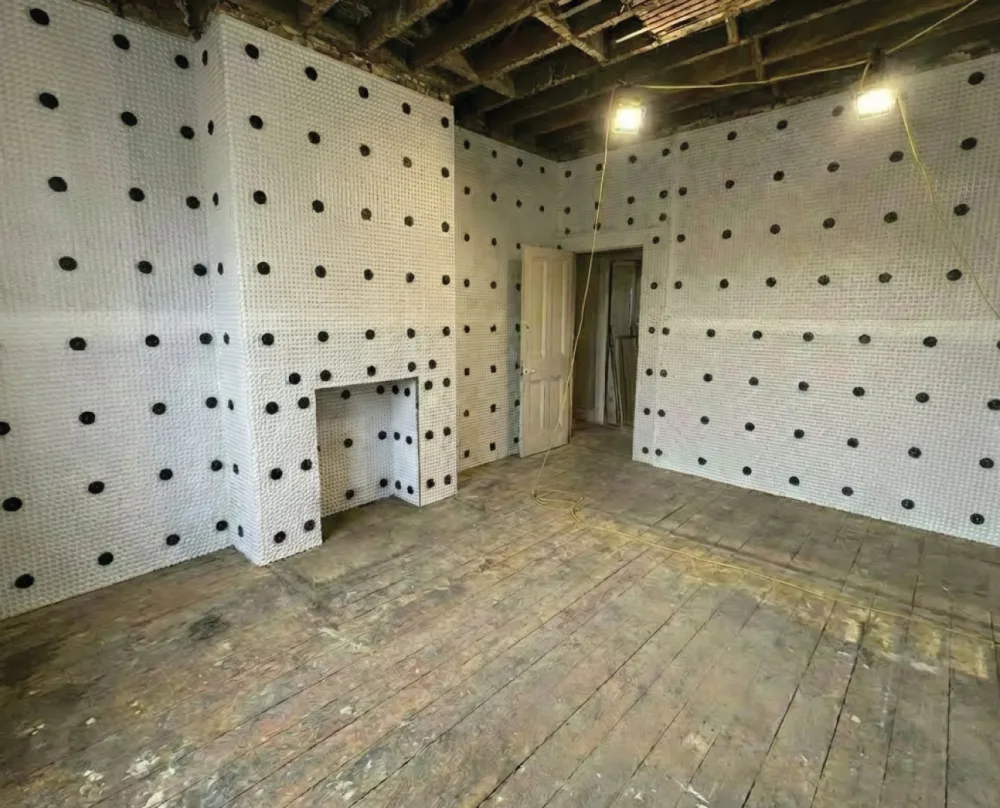
ISO-THERM is an internal wall insulation solution designed to reduce heat loss and make rooms feel warmer. Cold walls can increase condensation risk and make your heating work harder. Want to improve comfort and reduce cold-wall issues? Book our Free Home Survey and we’ll confirm suitability and explain your options.
Specialist internal wall paints can help improve comfort on cold surfaces and support condensation reduction when used correctly. Cold, damp-prone walls can lead to mould spots and peeling paint if the underlying issue is not addressed. Not sure what’s causing damp patches or cold walls? Book our Free Home Survey and we’ll recommend the right approach.
Loft insulation reduces heat loss through the roof and helps keep your home warmer for longer. Poor insulation can increase heating bills and make rooms feel colder in winter. Ready to improve energy efficiency and comfort? Book our Free Home Survey and we’ll advise the best loft insulation upgrade for your home.
Structural & Water Damage Services
We provide professional mould removal and prevention for homes with black mould, recurring condensation, or poor ventilation. We treat the affected surfaces and focus on the underlying cause, which is often excess humidity, cold spots, or airflow issues. The goal is a healthier home with improved indoor air quality and a lower risk of mould returning.
Condensation happens when warm, moisture‑laden air meets a surface that is at or below the dew‑point temperature, causing water droplets to form. In homes, this is most often seen on windows, external walls and in areas with poor air circulation. It is strongly linked to everyday activities such as cooking, bathing and drying clothes indoors, and is a primary cause of surface mould growth and damp‑feeling rooms.
Many condensation and mould problems are made worse because stale, humid air cannot escape and fresh air is not being brought in. Poor ventilation means the moisture generated by normal living remains trapped inside, raising humidity and encouraging condensation on cold surfaces. Improving air changes through systems like Positive Input Ventilation (PIV) units and passive air vents reduces humidity levels, helps prevent condensation forming and makes it harder for mould to grow back.
Cold external walls and structural cold bridges (such as concrete lintels or poorly insulated junctions) create cold spots where airborne moisture is more likely to condense. These areas are often where mould appears first, especially on north‑facing or poorly insulated walls. By raising internal surface temperatures with systems like ISO‑THERM internal insulation, these cold spots can be reduced, helping to break the condensation‑mould cycle.