
The Different Types of Household Mould, and What the Research Actually Says
“Black mould” gets used as a catch-all term for almost anything dark growing on a wall, but indoor mould is not one organism. Several different fungal genera commonly colonise damp homes, and they do not look, grow, or affect health in the same way. The World Health Organization’s 2009 review of the accumulated evidence on indoor dampness concluded that exposure to mould and damp indoors is consistently linked to increased respiratory symptoms, allergic reactions, and asthma, along with broader disruption to immune function. What follows is what the research actually says about five of the mould types most commonly found in UK homes.
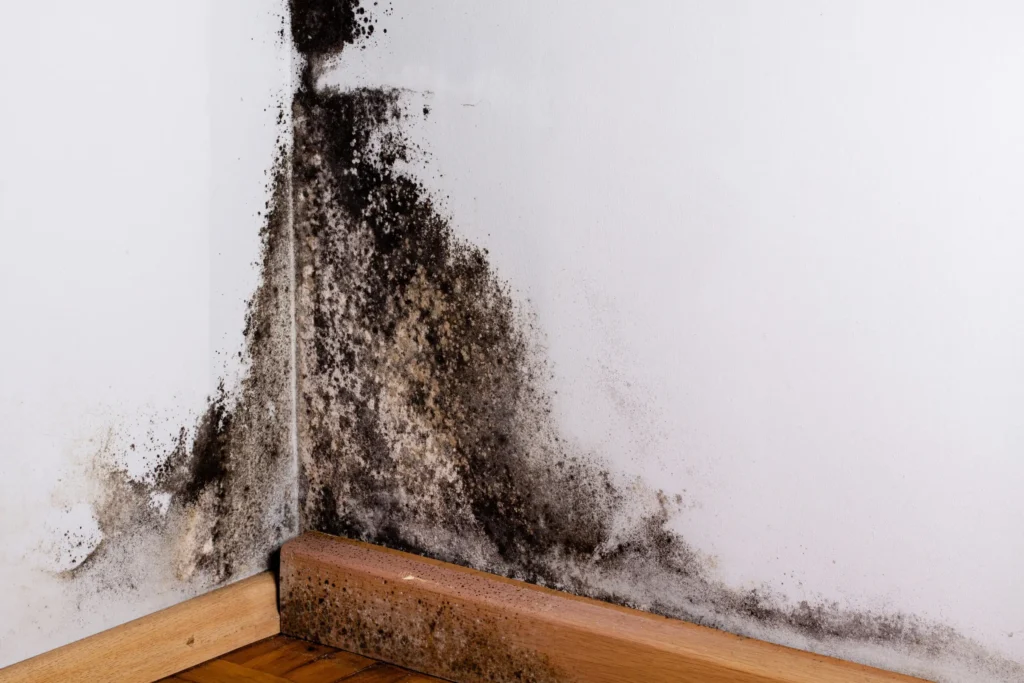
Black Mould (Stachybotrys chartarum)
Stachybotrys chartarum, the fungus almost everyone means when they say “black mould,” needs sustained, significant water damage to establish. It grows on wet, cellulose-rich material, drywall, wallpaper, skirting board, that has stayed consistently damp rather than simply humid. A Finnish survey of schools with known moisture problems found Stachybotrys significantly more often in air and surface samples from damp buildings than in dry control buildings, part of why its presence is treated as a reliable marker of excess moisture rather than a coincidental finding.
Some, though not all, Stachybotrys colonies produce macrocyclic trichothecene mycotoxins. In a laboratory study, mice exposed intranasally to satratoxin G, one of these mycotoxins, developed apoptosis (cell death) of olfactory sensory neurons along with acute inflammation in the nose, with effects becoming cumulative over repeated low-dose exposure. This is animal, not human, data, but it is one of the more direct pieces of evidence for a biological mechanism behind the symptoms long associated with heavy black mould exposure.
Appearance: dark green to black patches, often with a slightly slimy or wet texture. Usually found on drywall, skirting boards, or anywhere water has been sitting for an extended period.
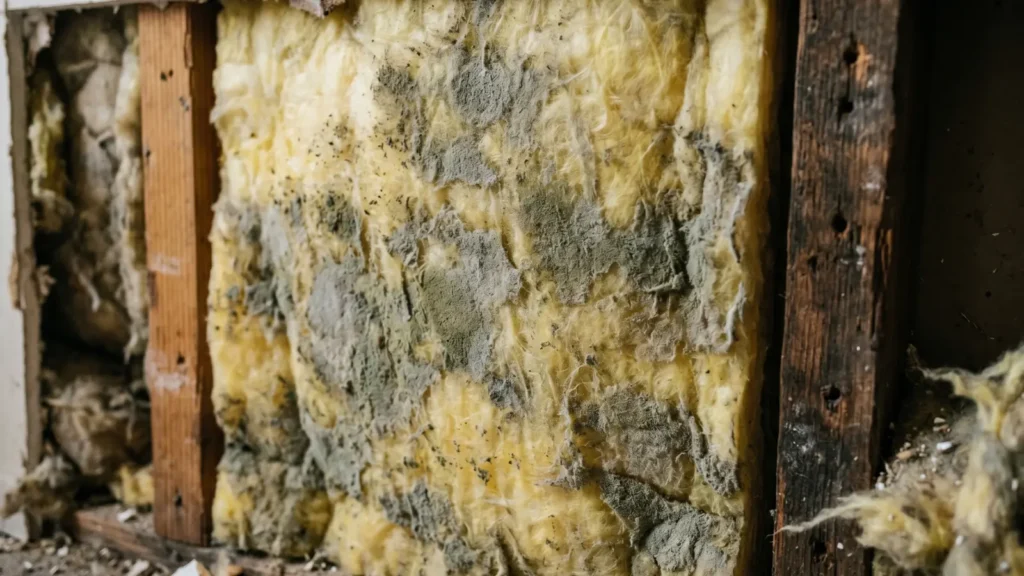
Aspergillus
Aspergillus is a genus found almost everywhere, in soil, decaying vegetation, and indoor air, and for most healthy people, exposure causes no illness at all. The picture changes considerably for people with weakened immune systems, existing lung disease, or allergic sensitivity. In these groups, Aspergillus exposure can range from allergic bronchopulmonary aspergillosis through to invasive aspergillosis, a serious lung or systemic infection that is a recognised risk for cancer patients undergoing chemotherapy, organ transplant recipients, and other immunocompromised individuals.
This is a genus where the health risk depends heavily on who is being exposed, not just how much mould is present. A 17-month study sampling both indoor and outdoor air in and around a major hospital in Kuwait recovered over 6,000 fungal isolates, with Aspergillus among the most frequently identified genera in both environments, underlining how routinely it turns up in ordinary indoor air even where no obvious water damage is present.
Appearance: a fine, powdery layer in shades of grey, green, or yellow. Commonly found on walls, insulation, and inside air conditioning or ventilation systems, particularly where air circulation is poor.
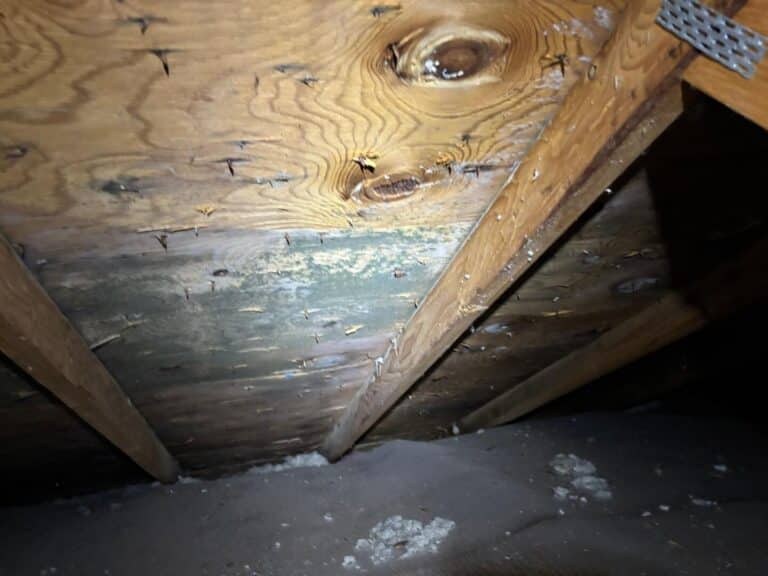
Cladosporium
Cladosporium is among the most common airborne fungi in the world, indoors and outdoors alike, and is one of the most extensively studied mould genera in allergy research, ranking behind only Aspergillus fumigatus and Alternaria alternata in the volume of research devoted to it. A prospective US cohort study followed 880 infants at high risk of developing asthma through their first year of life and found Cladosporium was the single most commonly detected genus, present in 62% of the homes sampled.
The same study found Cladosporium presence was significantly associated with parent-reported mould and with reported water leaks in the home, reinforcing the link between this species and ongoing, if sometimes low-level, dampness rather than a single dramatic water event.
Appearance: small olive-green or brown spots that can be mistaken for dirt at first glance. Frequently found on window frames, carpets, and fabrics.
Penicillium
Penicillium is one of the genera most consistently associated with water-damaged buildings, alongside Cladosporium and Aspergillus. In the same infant cohort study referenced above, Penicillium was detected in 41% of homes, the second most common genus after Cladosporium.
What stands out in that study is the dose-response relationship: infants living in homes with the highest recorded levels of Penicillium had more than double the rate of wheeze and persistent cough compared with infants in homes with undetectable levels, even after adjusting for maternal asthma history, socioeconomic status, and other housing factors. This is one of the more specific, quantified findings in the household mould literature, and it applied to a population, infants in their first year of life, that is particularly vulnerable to respiratory irritation.
Appearance: a distinct blue or green colour with a soft, fuzzy texture. Commonly found on wallpaper, carpets, and inside cupboards.
Chaetomium
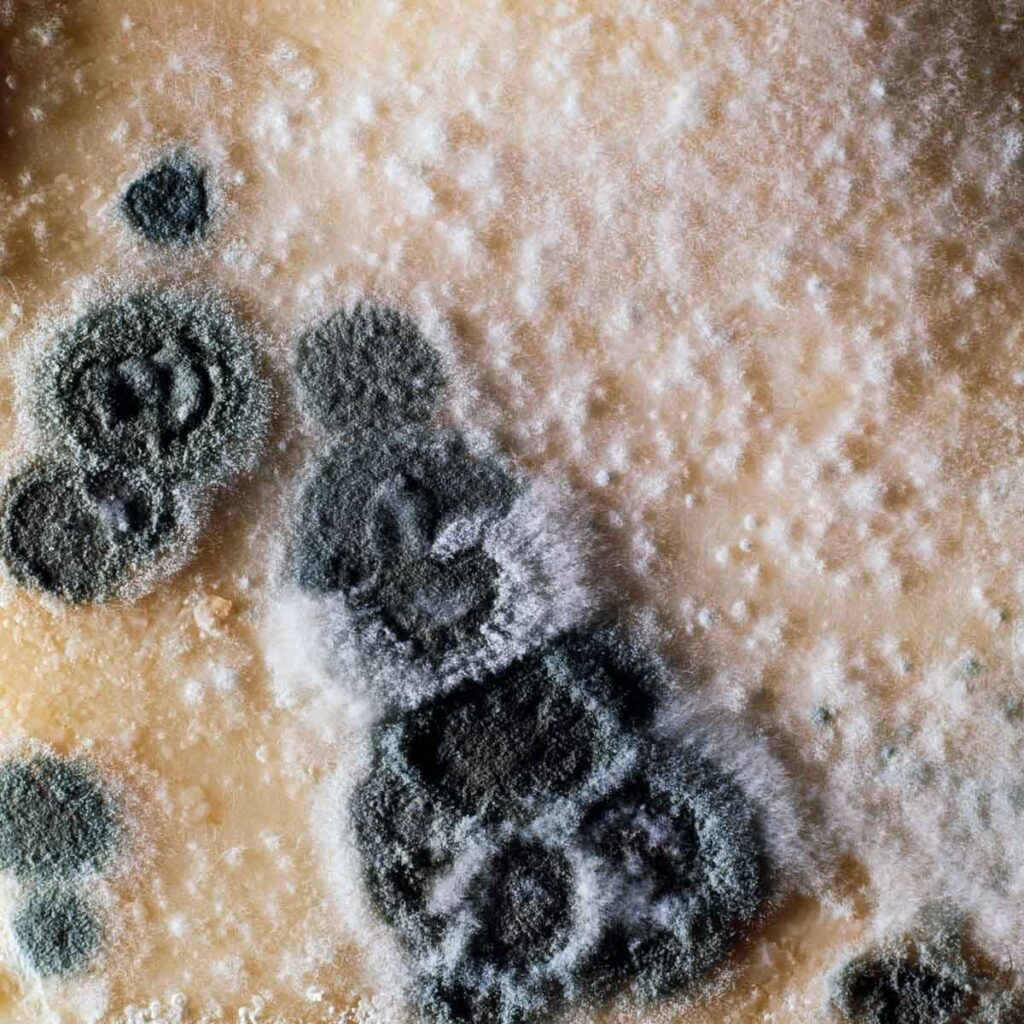
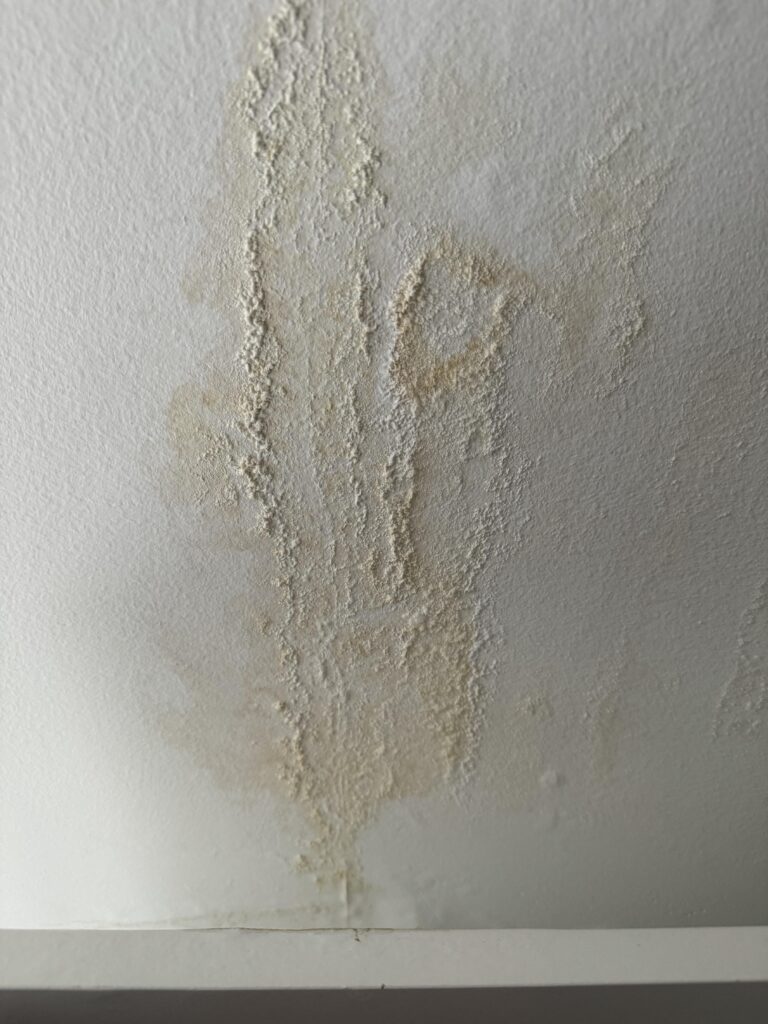
Chaetomium is consistently identified as the third most common mould genus recovered from water-damaged buildings worldwide, and unlike some of the species above, it has a firm minimum moisture requirement, needing a water activity above 0.90 to establish, meaning it signals sustained water damage rather than everyday humidity or condensation.
It is also unusual in how it behaves once established. Chaetomium is strongly cellulolytic, meaning it does not simply sit on the surface of drywall paper, wallpaper, or cardboard, it actively digests the cellulose within these materials. This is part of why affected sections of drywall are generally recommended for replacement rather than cleaning. Chaetomium globosum, the most common species found indoors, produces mycotoxins including chaetoglobosins and sterigmatocystin, the latter classified as a confirmed carcinogen, and the genus is formally classified under the ANSI/IICRC S520 standard as a water-damage indicator organism requiring professional remediation.
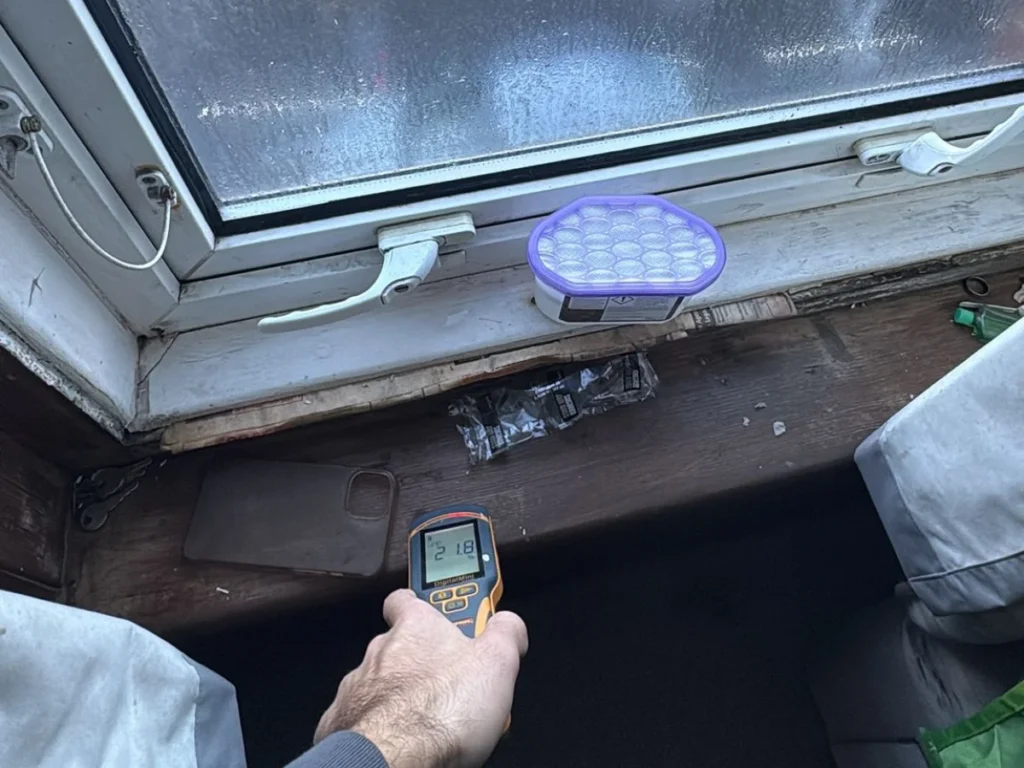
Appearance: starts white or grey and darkens to black over time, with a cotton-like texture. Often found behind drywall, under carpets, and around water-damaged wood.
Why the Type of Mould Matters More Than "There's Mould"
The common thread across all five of these genera is exactly what the WHO’s 2009 review concluded at a population level: increased respiratory symptoms, allergic disease, and asthma, along with broader immune system disruption, are consistently associated with indoor dampness and mould exposure. But the differences between these species matter for anyone actually trying to solve the problem, not just clean it up.
Stachybotrys and Chaetomium both require sustained, significant water damage to establish at all, which means their presence points toward an active or historic leak, not routine condensation. Cladosporium and Penicillium, by contrast, can establish under lower-level, chronic dampness, including the kind of everyday condensation caused by poor ventilation, which is why they are the genera most frequently found in ordinary homes without any dramatic water event. Aspergillus sits apart from the others in one important respect: for most healthy people it presents little risk at all, while for anyone with a compromised immune system, existing lung disease, or significant allergies, the same exposure can be genuinely serious.
This is exactly why treating visible mould as the problem, rather than as a symptom of whichever moisture issue actually let it establish, so often fails. Bleach or a surface clean will usually remove the visible staining. It does nothing to address whether the underlying cause was a slow leak, a failed damp proof course, or simply poor ventilation, which is why the same patch of mould, in the same corner, has a habit of reappearing.
What This Means If You've Spotted Any of These at Home
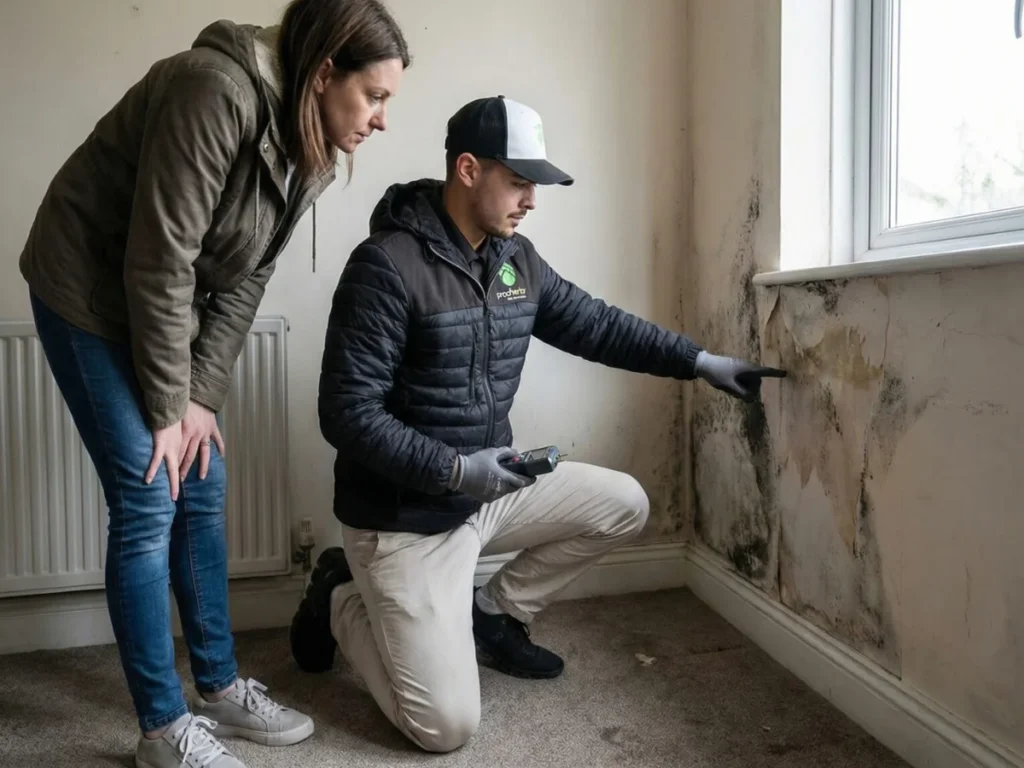
If any of the descriptions above sound familiar in your own home, the type of mould you’re looking at is a genuine clue about what’s actually causing it, but it isn’t something to diagnose from a photograph. A proper damp survey identifies both the species present and, more importantly, the moisture source behind it, whether that’s a leak, condensation, or something structural, before any treatment is carried out.
For landlords, recurring mould isn’t just a maintenance issue, it’s increasingly a compliance one too. Under Awaab’s Law, a hazard that keeps being cleaned rather than properly investigated is unlikely to satisfy the legal requirement to resolve it.
Proofterior offers free surveys across Dorset, Hampshire, and Wiltshire, carried out by our own in-house, PCA-aligned team, not a subcontractor or a sales representative.

Frequently Asked Questions
What is a damp survey?
A damp survey is a specialist inspection carried out by a qualified surveyor using professional diagnostic equipment including moisture meters, thermal imaging, and hygrometers. It identifies the type, source, and extent of any moisture problem and produces a written report with a recommended treatment and fixed quote.
What does a damp survey include?
A thorough damp survey includes a full visual inspection of internal rooms and external elevations, moisture meter readings at multiple points across affected walls, thermal imaging to detect hidden moisture, hygrometer readings to assess humidity and ventilation, salt analysis where rising damp is suspected, and a written report with photographic evidence and a treatment recommendation.
Is a free damp survey worth it?
Yes, provided it is carried out by a qualified specialist and includes a written report. A free survey that produces only a verbal quote with no documented findings is not the same as a professional assessment. Proofterior’s free surveys are carried out by ISSE-accredited surveyors and include a full written report and fixed quote within 24 hours.
Do I need a damp survey when buying a house?
A standard homebuyer survey is not a specialist damp inspection. If the survey flags any sign of damp or recommends further investigation, a specialist damp survey is the appropriate next step. It gives you specific detail on the type, cause, and cost of any problem before you commit to the purchase.
How is a damp survey different from a homebuyer survey?
A homebuyer or RICS Level 2 survey covers the general condition of the whole property. When it comes to damp, a general surveyor will take a limited number of moisture readings and flag visible concerns. A specialist damp survey uses a full range of diagnostic equipment, carries out a systematic moisture profile of the affected areas, and produces a detailed report specifically on moisture, its sources, and the treatment required.