
What Causes Black Mould on Walls? And Is It Dangerous?
Black mould is one of the most common complaints in UK homes. It appears on walls, ceilings, window reveals, and in corners, and for most people the instinct is to scrub it off and hope it does not come back. It usually does. That is because black mould is a symptom of a moisture problem, not the problem itself. Cleaning the surface without addressing what is causing the moisture means the mould will return, often faster and more extensively than before.
This guide covers what black mould actually is, what causes it, the health risks involved, and the only approach that reliably stops it coming back.
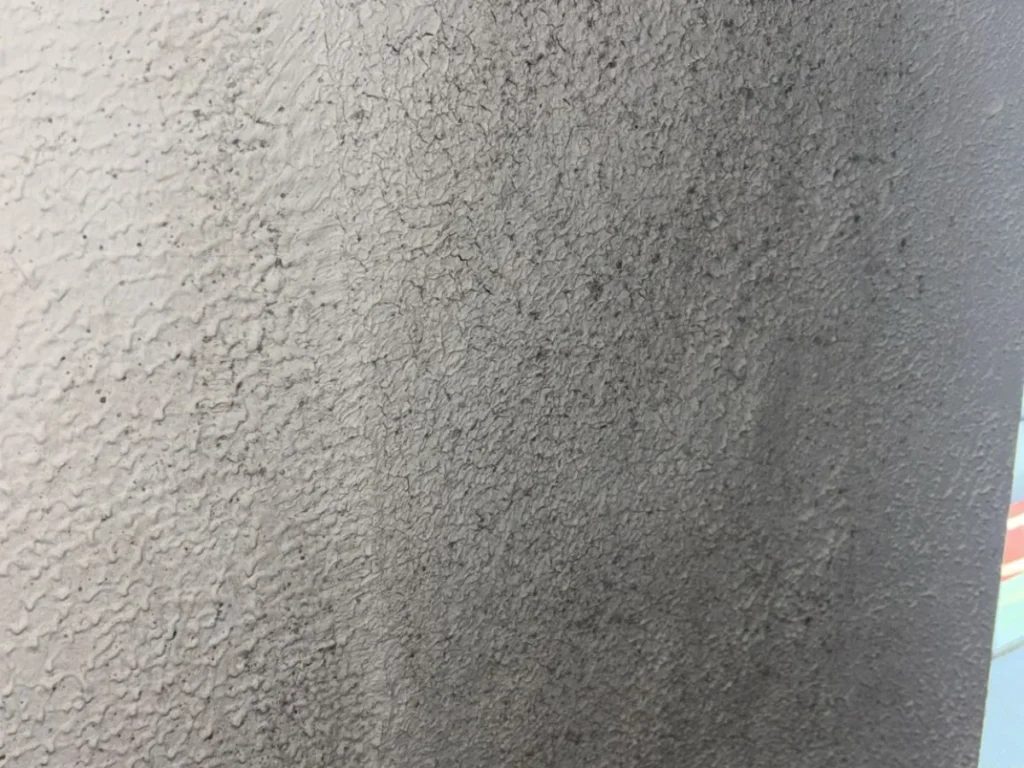
What is Black Mould?
Black mould is the common name given to a range of fungi found in properties that are damp, water-damaged, or experiencing condensation issues. The species include Stachybotrys chartarum, also known as toxic black mould, Alternaria, and Cladosporium, as well as several other species. Mould growth often appears black but can also be dark green or grey.
Cladosporium is a mould type that forms dark, spider web-shaped stains. Its spores are common in the outdoor environment, and it is very common for them to find a moist place to grow indoors. Stachybotrys chartarum, sometimes known as toxic black mould, thrives on damp building materials including wallpaper, gypsum, and fibreboard.
All of these species have one thing in common: they require moisture to grow. Mould requires four things to grow: moisture, a food source, oxygen, and suitable temperature. Of these, moisture is the only one you can control. Remove the moisture source and you remove the conditions that allow mould to survive.
What Causes Black Mould on Walls?
There is no single cause. In UK homes, black mould is most commonly associated with one of four moisture sources, and some properties are dealing with more than one at the same time.
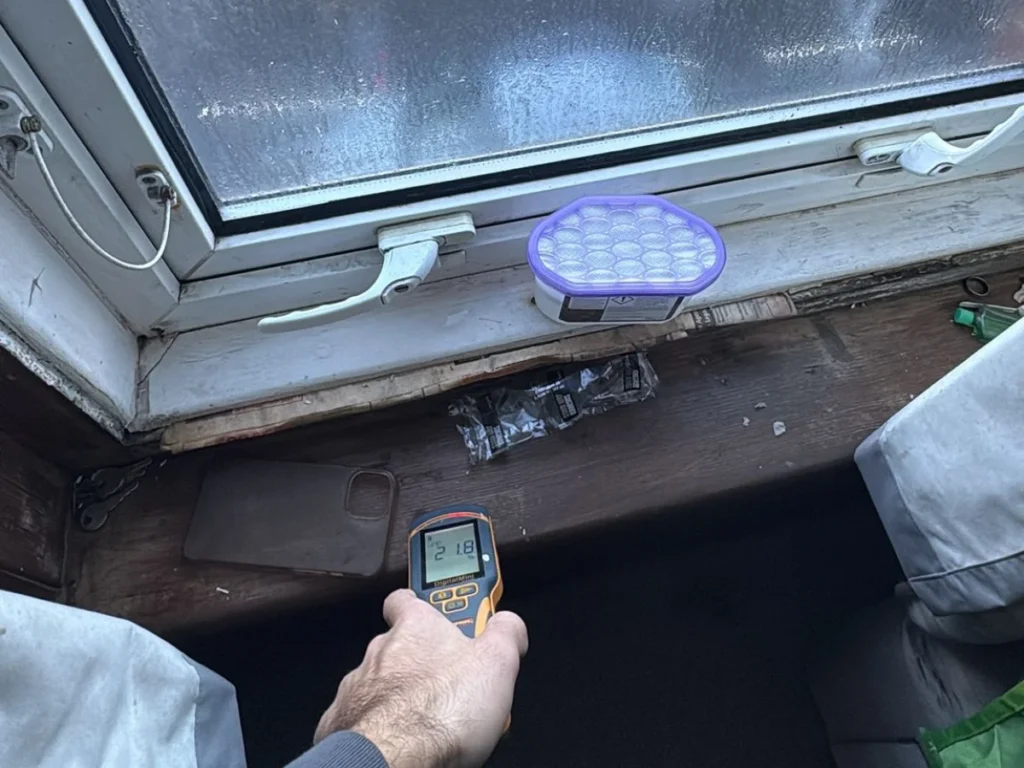
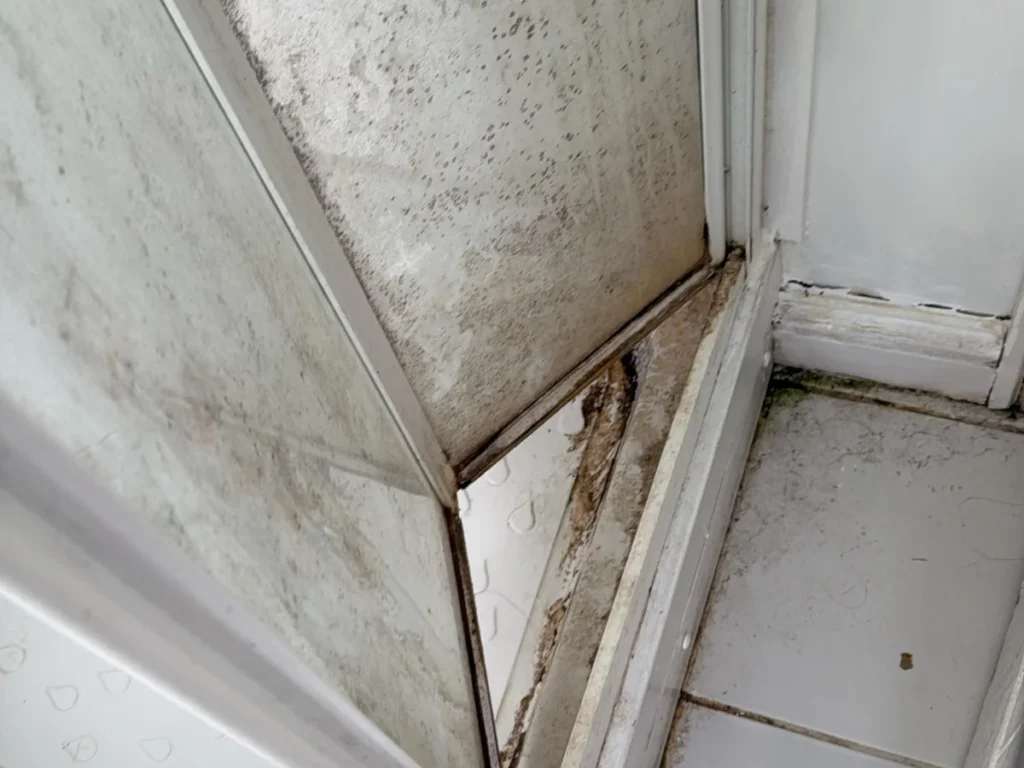
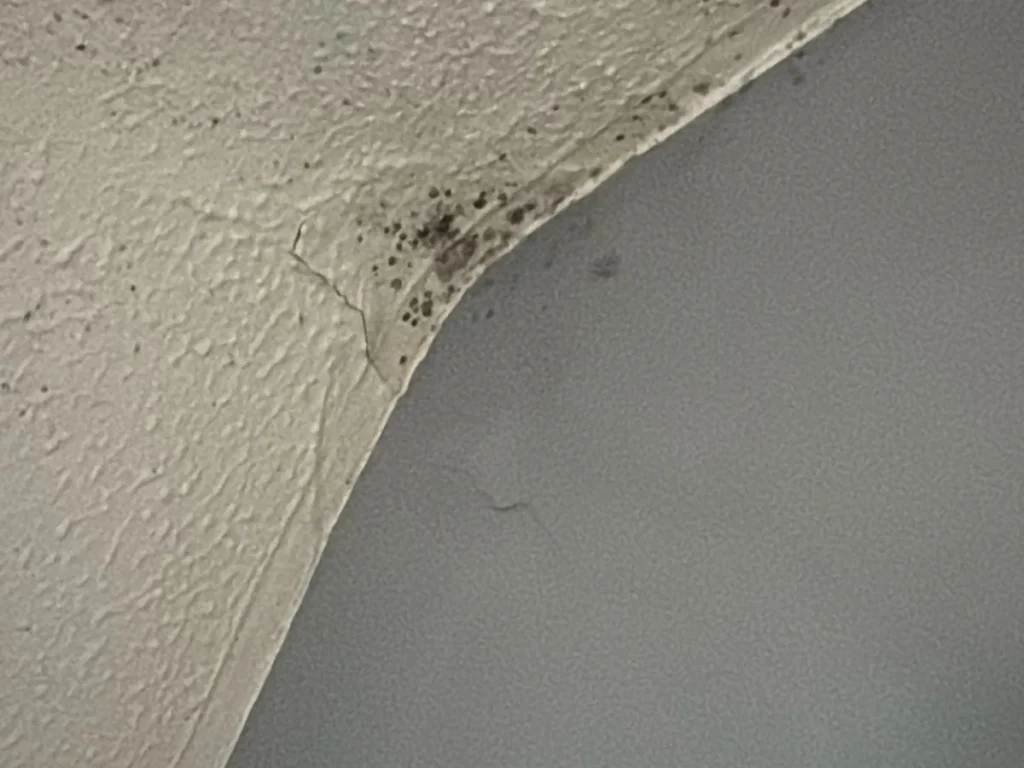
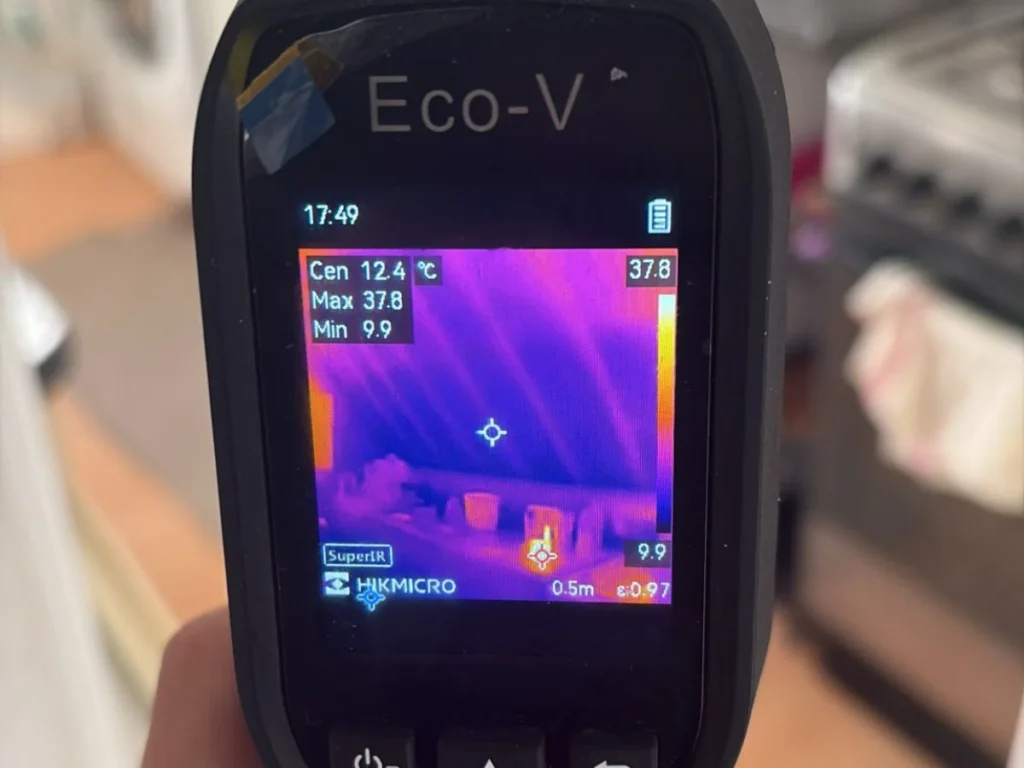
Condensation
This is the most common cause of black mould in UK homes. Condensation results from moist air inside the home coming into contact with cold surfaces such as windows and walls. The resulting damp, combined with a suitable food source such as wallpaper or emulsion paint, provides ideal growing conditions for mould. Condensation tends to be more of a problem during the cooler months of the year and is not dependent on whether it is dry or raining outside. Cooking, showering, drying clothes indoors, and simply breathing all add water vapour to the air. In a poorly ventilated home, that vapour has nowhere to go and settles on the coldest surfaces it can find.
Cold bridges and poor insulation create structural elements that stay colder than surrounding surfaces, encouraging condensation and mould growth. Rooms most at risk include bathrooms, kitchens, basements, unheated spare rooms, and corners behind furniture.
Penetrating Damp
Exterior walls are porous and will absorb moisture over time. This moisture is then transferred into the property, causing high levels of damp. This process is known as penetrating damp and is one of the most common causes of damp walls in the UK. A cracked render, failed pointing, leaking gutters, or poorly sealed windows can all allow rainwater to work its way through the external wall and create the damp conditions mould needs to grow. Unlike condensation, penetrating damp tends to produce spreading wet patches that worsen after rainfall rather than seasonally.
Rising Damp.
Where the damp proof course has failed or is absent, groundwater travels upward through the wall by capillary action. The combination of persistent moisture in the lower wall and the organic materials in plaster, wallpaper, and paint creates an ideal environment for mould at the base of affected walls. Rising damp mould tends to be accompanied by a tidemark, salt deposits, and deteriorating plaster: signs that point clearly to a structural moisture source rather than a ventilation issue.
Leaking services.
Hidden plumbing leaks, failed waste pipes, and faulty appliances can deliver a constant moisture source behind walls and under floors. This source often goes undetected for months before discovery, during which time mould can establish itself deep into the wall fabric. If mould appears in an unexpected location with no obvious condensation or damp pattern, a leak behind the wall or ceiling is worth investigating before any treatment is carried out.
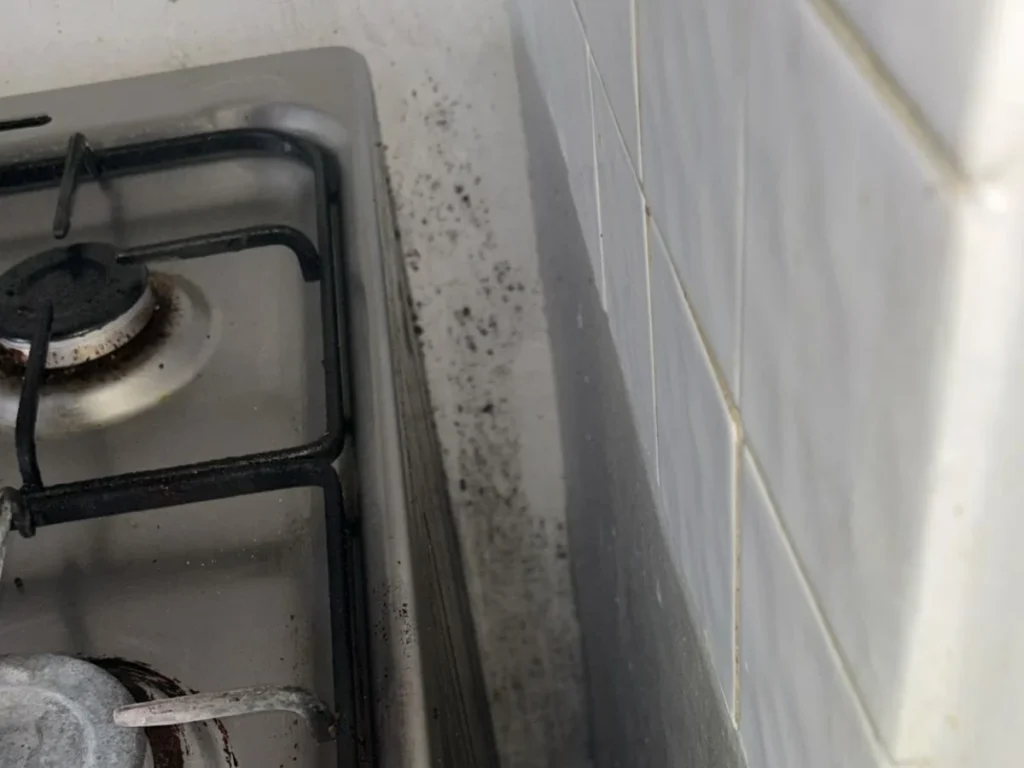
Is Black Mould Dangerous?
Yes. Black mould is not a cosmetic problem and should not be treated as one.
The NHS warns that moulds produce allergens, irritants, and sometimes toxic substances, and that inhaling or touching mould spores may cause an allergic reaction such as sneezing, a runny nose, red eyes, and skin rash. Moulds can also cause asthma attacks.
The World Health Organisation has identified indoor dampness and mould as a significant public health concern. Their guidelines state that occupants of damp and mouldy buildings have up to a 75% increased risk of respiratory symptoms and asthma.
Long-term black mould exposure can lead to health issues including asthma attacks and more frequent lower respiratory infections. As well as physical health, living with damp and mould can affect mental health, increasing stress and anxiety.
The UK Health Security Agency advises that damp and mould must be addressed promptly, as it increases the risk of asthma attacks, bronchitis, and respiratory infections in both children and adults.
Those most at risk are children, the elderly, and anyone with an existing respiratory condition, asthma, or a compromised immune system. But the effects are not limited to vulnerable groups. Anyone living with persistent mould can experience symptoms, often without connecting them to their home environment.
The case of two-year-old Awaab Ishak, who died in December 2020 after suffering respiratory issues caused by prolonged exposure to black mould in his home, brought the severity of this issue to national attention. Awaab’s Law was introduced as part of the Social Housing (Regulation) Act 2023, designed to enforce stricter deadlines for landlords to inspect and fix reported issues of damp and mould in their properties. From 27 October 2025, social landlords are required to investigate significant damp and mould hazards within 10 working days, provide written findings within 3 working days of the investigation concluding, and make the home safe within 5 working days if a health risk is confirmed.
For landlords in the private rented sector, the existing Housing Health and Safety Rating System (HHSRS) already classifies damp and mould as a category one hazard where it presents a significant risk to health. The legal and financial consequences of leaving it unaddressed have never been greater.
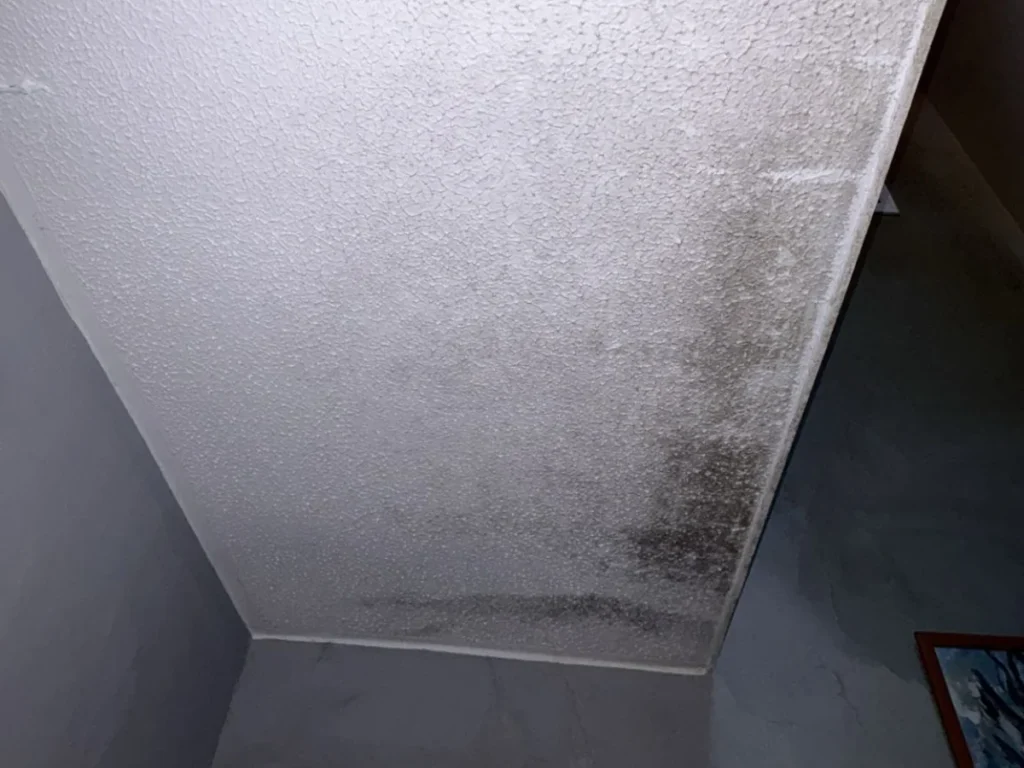
Why surface cleaning does not work with removing Black Moulds?
Most homeowners reach for a spray bottle when they see black mould. Anti-mould sprays and bleach-based products will make the wall look cleaner. They will not stop the mould from coming back.
A mould killer is only as effective as your moisture control. Without stopping the water source, mould will return within weeks.
The deeper problem with surface treatments is that mould does not only live on the wall surface. On porous materials like plaster, grout, and painted walls, bleach tends to work on the top layer. It oxidises the colour and gives the illusion that everything has gone. But the mould can continue to live deeper inside the surface. Biocidal mould washes formulated for building materials penetrate the substrate and remain active long enough to address growth within the surface layer, but even these are a partial answer if the moisture source remains intact.
Surface cleaning without diagnosis and treatment of the underlying cause is a cycle. The mould returns, you clean it again, it returns again. Each time it re-establishes itself, it does so from a slightly deeper foothold in the wall fabric.
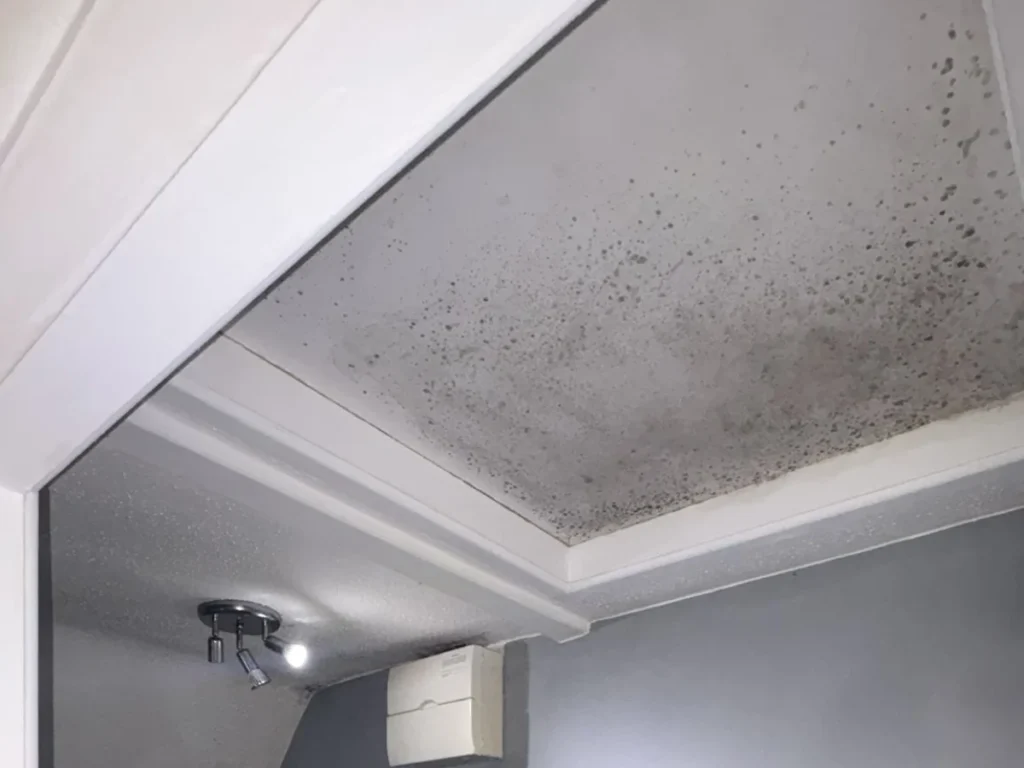
How Proofterior treats Black Mould
Black mould requires two things to be resolved properly: the growth on and in the wall has to be treated, and the moisture source causing it has to be identified and fixed.
Proofterior carries out professional mould remediation across Dorset, Hampshire, and Wiltshire, treating the affected surfaces with biocidal products formulated for building substrates, not domestic sprays. Where condensation is the cause, the survey will identify the ventilation or thermal bridging issue driving it and recommend the appropriate solution. Where damp is the cause, whether rising damp, penetrating damp, or a structural defect, Proofterior’s ISSE-accredited surveyors diagnose the source and provide a treatment pathway that addresses the wall at the structural level, not just the surface.
Every survey is free. The written report and fixed quote are returned within 24 hours. The full treatment is carried out in-house by a directly employed, qualified team with no subcontractors, and every job carries a 25-year guarantee.
Frequently Asked Questions
What causes black mould on walls?
Black mould is caused by persistent moisture. In UK homes, the most common sources are condensation from poor ventilation, penetrating damp from external defects, rising damp from a failed or absent damp proof course, and hidden leaks from plumbing or appliances. The type of mould and its location on the wall can help identify the source.
Is black mould dangerous to health?
Yes. Black mould produces allergens and, in some species, toxic mycotoxins. The NHS and the World Health Organisation both recognise indoor mould as a significant health hazard, with occupants of damp and mouldy properties at significantly increased risk of respiratory symptoms, asthma, and respiratory infections. Children, the elderly, and those with existing conditions are particularly vulnerable.
Can I remove black mould myself?
Surface cleaning with anti-mould products can remove the visible growth temporarily. On porous materials such as plaster and masonry, bleach and standard sprays do not reach the mould growing within the surface, and without addressing the moisture source, the mould will return. Professional treatment combined with moisture diagnosis is the only approach that reliably stops it recurring.
Why does black mould keep coming back?
Because the moisture causing it has not been removed. Surface cleaning treats the visible symptom, not the cause. Until the condensation, damp, or leak driving the moisture is identified and fixed, the conditions for mould growth remain in place.
What is the difference between mould from condensation and mould from damp?
Condensation mould tends to appear in corners, on ceilings, around windows, and in poorly ventilated rooms. It worsens in winter and responds to improved ventilation and heating. Damp-related mould is associated with wet patches that persist year-round, often accompanied by a tidemark, salt deposits, or damage to plaster and finishes. A professional survey with moisture meters will confirm which one you are dealing with.