
Rising Damp vs Condensation: How to Spot the Difference & Protect Your Home
Damp problems are some of the most common—and misunderstood—issues facing UK homeowners.Two culprits—rising damp and condensation—are often confused, but they have very different causes and solutions. Misdiagnosing the problem can waste money, damage your property, and even affect your health. This guide explains the key differences and how to protect your home.
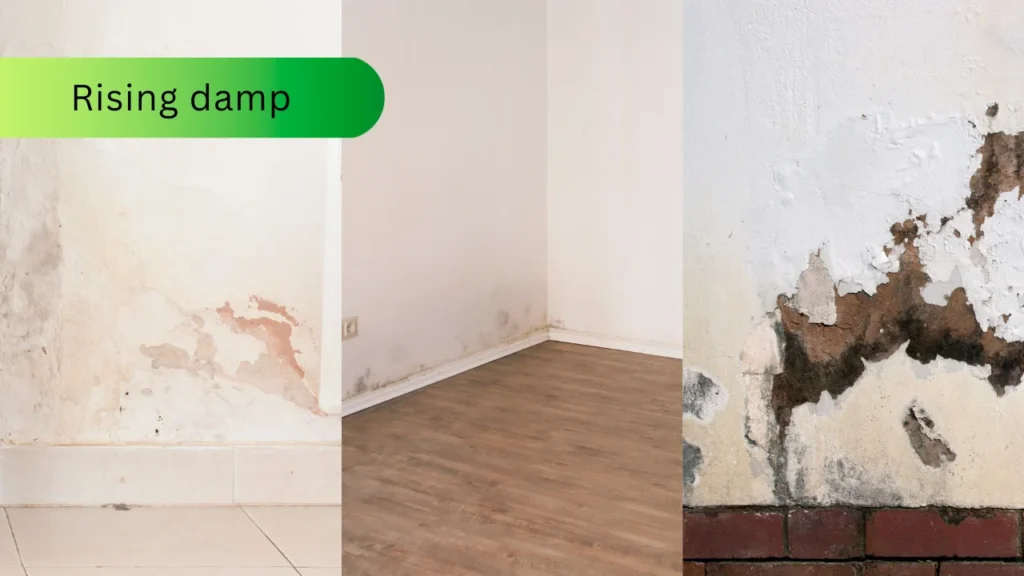
What is Rising Damp?
Rising damp happens when moisture from the ground travels upward through walls by capillary action. It’s most common in older properties where the damp proof course (DPC) is missing, damaged, or bridged.
How to spot rising damp:
Tide marks on walls, usually up to 1 metre high
Flaking paint, peeling wallpaper, or damaged plaster at the base of walls
Salty white deposits (efflorescence) on bricks or plaster
Decayed timber skirting boards
If untreated, rising damp can weaken walls, ruin finishes, and cause long-term structural issues.
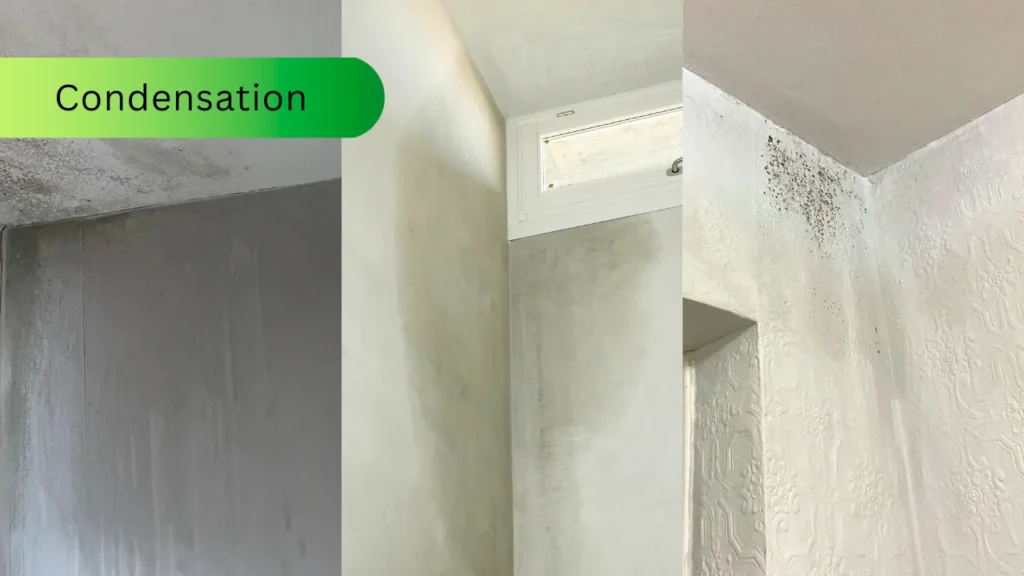
What is Condensation?
Condensation forms when warm, moist indoor air meets cold surfaces, creating water droplets. It’s most noticeable in winter when windows are closed and heating is on. Unlike rising damp, condensation is linked to ventilation and lifestyle factors rather than the ground beneath your home.
How to spot condensation:
Water droplets on windows and cold walls
Black mould growth in corners, ceilings, and window frames
Musty smells, especially in bedrooms, kitchens, or bathrooms
Problems improve in warmer, drier months
Beyond property damage, condensation is strongly linked to mould-related health problems, such as asthma, allergies, and respiratory irritation.
How to Protect Your Home from Damp
The right solution depends on the type of damp:
Rising Damp Solutions: A professional damp survey is essential. Treatments may include a new chemical DPC, specialist replastering, or other structural repairs.
Condensation Solutions: Improve ventilation with extractor fans, open windows when possible, and avoid drying clothes indoors. A high-quality dehumidifier can also help control moisture levels.
At Proofterior, we specialise in diagnosing damp correctly and recommending cost-effective solutions tailored to your home.
FAQs: Rising Damp vs Condensation
Can condensation look like rising damp?
Yes—both can cause peeling paint, damp smells, and wall damage. The key difference is where the damp appears: rising damp affects the base of walls, while condensation appears on cold surfaces throughout the home.
Is rising damp worse than condensation?
Rising damp can cause more serious long-term structural damage, while condensation is more common but usually easier to manage. Both should be addressed quickly to avoid health or property risks.
Do I need a professional to tell the difference?
In most cases, yes. A damp survey from a qualified specialist ensures you get the right diagnosis and don’t waste money on unnecessary treatments.
- 25-Year Customer Guarantee
- Experts with 25+ Years Experience
- Professional and Reliable
- Book a Free Site Survey
Free Home Damp Survey
Not sure if your damp problem is caused by rising damp or just condensation? Book a free survey with Proofterior. Our expert surveyors will quickly identify the root cause and provide clear, effective solutions to protect your property and your health.