
Wet Rot Treatment in Dorset & Hampshire – Professional Timber Decay Solutions
Wet rot is a moisture-driven timber decay that weakens structural elements if left untreated. Effective treatment depends on identifying and resolving the underlying moisture source, not just replacing damaged timber. At Proofterior, all wet rot treatments are survey-led, evidence-based, and carried out by our in-house specialists to ensure long-term protection rather than short-term repairs.
Wet rot is a type of fungal decay that occurs when timber remains damp for extended periods. Unlike dry rot, it does not typically spread through masonry, but it can still cause serious structural weakening where moisture exposure persists. Common causes include:
Leaking roofs, plumbing, or rainwater goods
Penetrating damp through external walls
Condensation in poorly ventilated areas
High moisture levels in subfloor voids or roof spaces
Unless the moisture source is correctly identified and eliminated, wet rot will continue to form even after timber replacement.
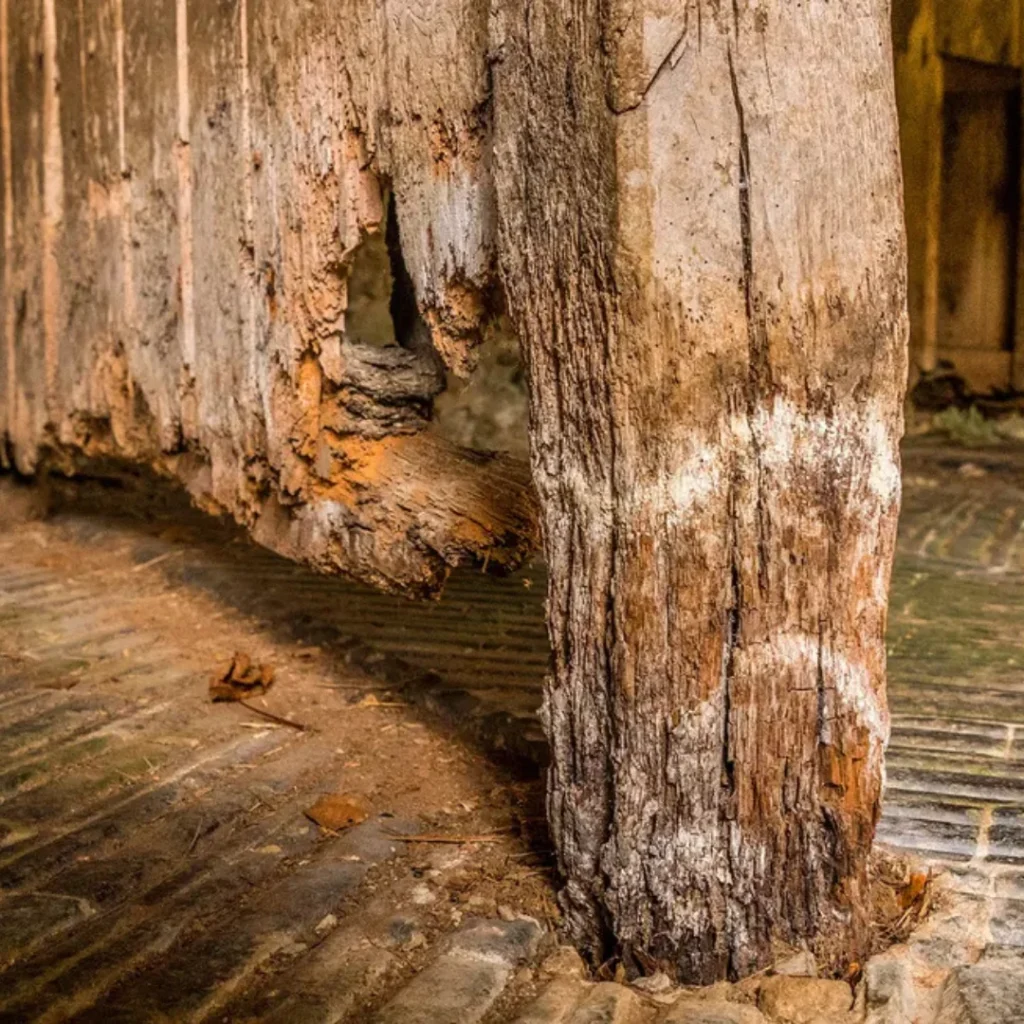
Identifying wet rot early can save your property from extensive damage. Look for these common symptoms:
- Discoloration of timber: When wood starts to show unusual colors, it could indicate the onset of wet rot.
- A damp or musty smell: A persistent musty odor often accompanies wet rot, serving as an early warning sign.
- Cracking and softening of wood: Wood affected by wet rot will lose its structural integrity, becoming brittle and soft.
- Localized fungus growth: The presence of fungal growth on timber surfaces is a clear indicator of wet rot.
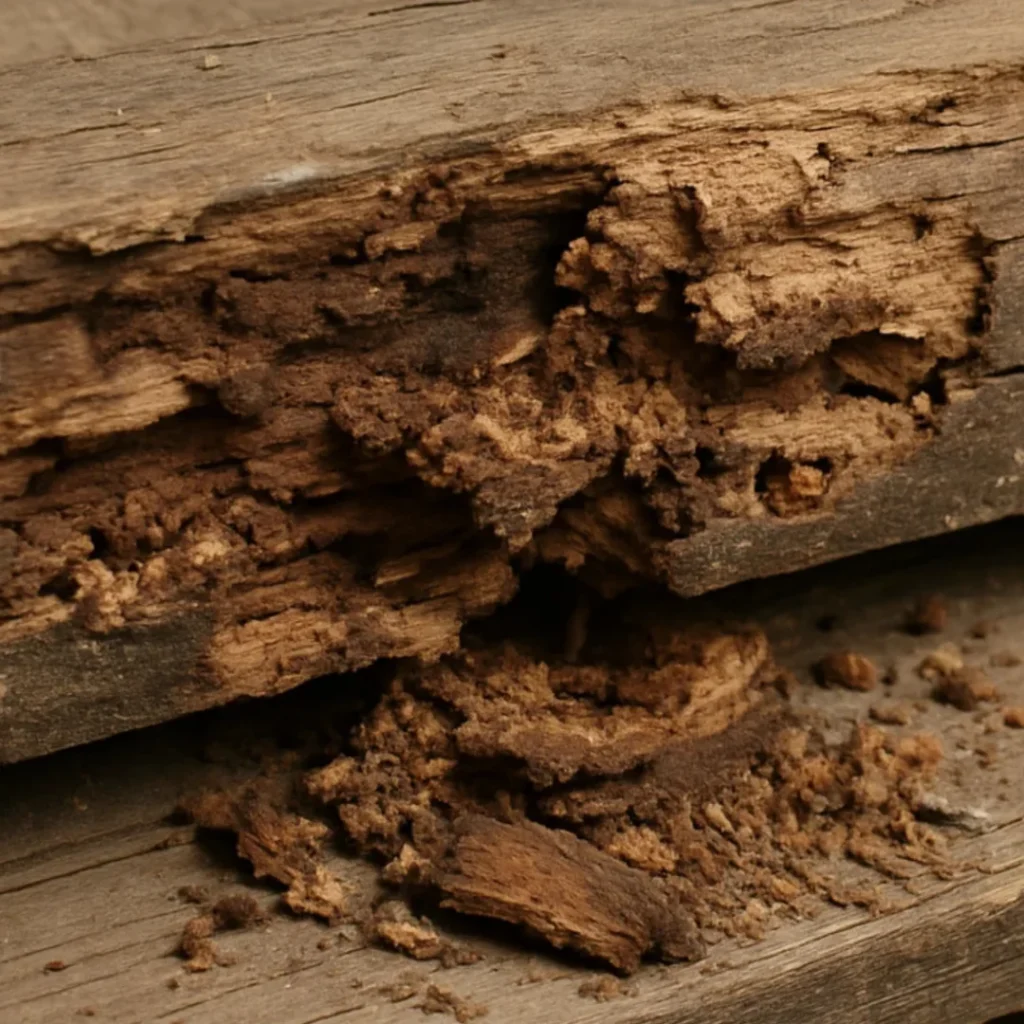
- Structural Compromise: Wet rot can severely weaken the structural components of a building, leading to potential collapses.
- Escalating Repair Costs: The longer wet rot is left untreated, the more extensive and expensive the repairs become.
- Health Hazards: Mold and fungi associated with wet rot can pose health risks to the inhabitants of the property.
- Decreased Property Value: Properties with visible signs of decay may experience a drop in market value, making them harder to sell.
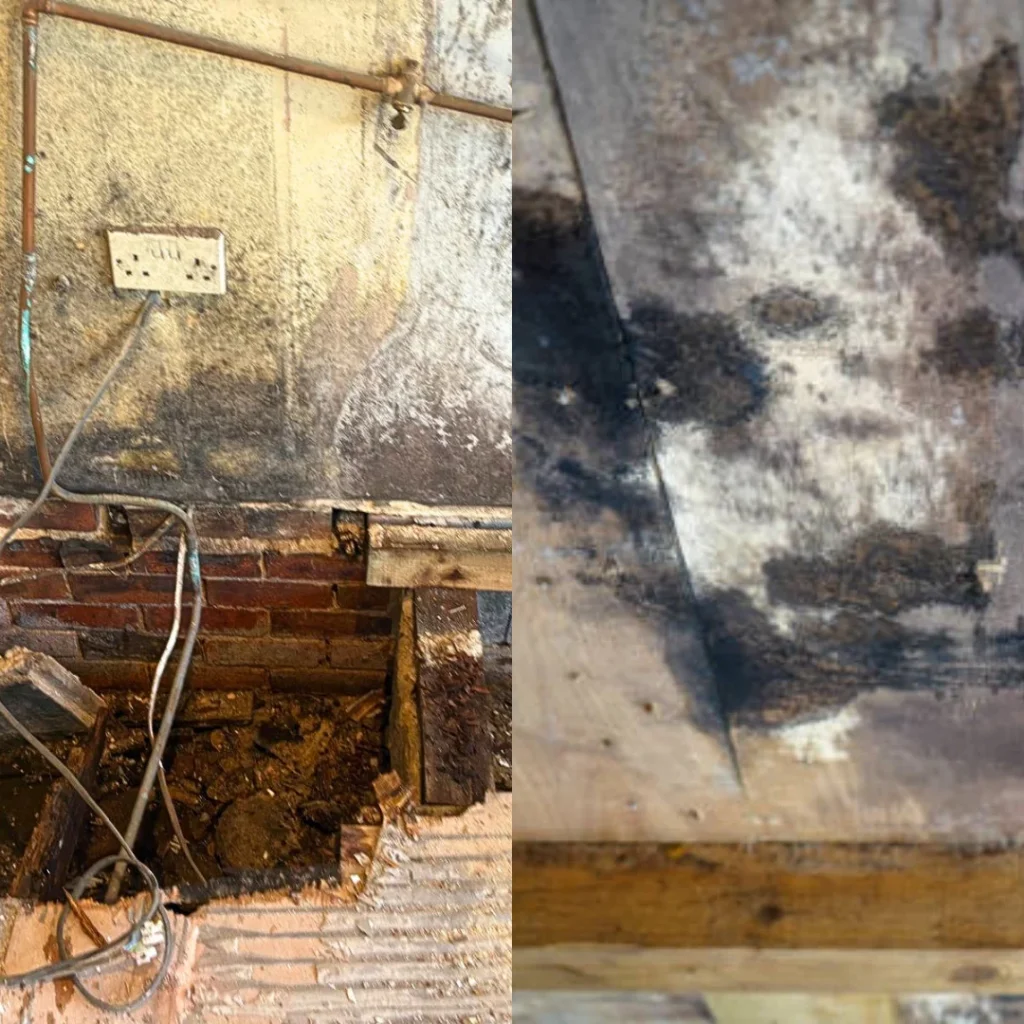
Our Wet Rot Treatment Process
Every property is unique, and so is our approach. We assess the extent of the wet rot and create a customized treatment plan that addresses the specific needs of your structure. Whether it’s a crawl space wet rot treatment or cellar wet rot treatment, we’ve got you covered.
A detailed inspection is carried out to assess the condition of structural and internal timbers, identify the extent of decay, and determine the source of moisture causing wet rot. Surrounding fabric and environmental conditions are also reviewed to understand contributing factors.
Survey findings are analysed to confirm wet rot presence, activity level, and spread. A treatment plan is then specified to suit the property’s construction and level of damage, with a clear explanation of the proposed works to ensure transparency and client understanding.
Decayed timber is removed where required and specialist fungicidal treatments are applied to affected and adjacent areas. Moisture sources are addressed through damp-proofing or ventilation improvements, and treated replacement timber is installed to restore structural integrity.
Preventative measures are applied to reduce future risk, including timber preservation and environmental improvements. After completion, we provide guidance on maintaining a dry environment, supported by follow-up inspections where appropriate and insurance-backed guarantees for long-term protection.
Areas We Cover
Proofterior provides independent damp surveys and specialist damp proofing services across Dorset, Hampshire, and surrounding areas. We work with homeowners, landlords, property managers, and buyers who need clear answers, accurate diagnosis, and long-term solutions, not guesswork or sales-driven recommendations.
Frequently Asked Questions About Wet Rot
What is wet rot?
Wet rot is a type of fungal timber decay caused by sustained exposure to moisture. It softens, weakens, and breaks down wood fibres, typically in poorly ventilated or damp areas of a property.
How is wet rot different from dry rot?
Wet rot requires higher moisture levels to develop and is usually confined to the damp area. Dry rot, on the other hand, spreads aggressively through dry timber and masonry, often requiring more extensive treatment.
Can I treat wet rot myself?
While surface treatments might mask the issue, they don’t resolve the underlying cause. Effective treatment involves removing affected timber, treating surrounding areas, and fixing the source of dampness. It’s best left to professionals.
What areas of my home are most at risk?
Common areas include subfloors, basements, skirting boards, window sills, roof timbers, and behind fixed units — anywhere that stays damp or poorly ventilated.
Do you provide a guarantee?
Yes. All of our wet rot treatments and repairs come with an insurance-backed guarantee for long-term peace of mind.