
Black Mould Removal and Prevention in Dorset & Hampshire – Professional in mould remediation, moisture control, and long-term prevention
Black mould is not a cleaning issue. It is a visible indicator of excess moisture, poor airflow, or cold surface conditions within a property. While mould can often be removed from surfaces temporarily, it will continue to return unless the environmental conditions allowing it to grow are corrected. At Proofterior, black mould removal is survey-led and evidence-based, focused on identifying and treating the underlying causes to prevent recurrence rather than offering short-term cosmetic solutions.
Black mould develops when naturally occurring airborne mould spores settle on damp or humid surfaces and are allowed to grow. These spores are present in all buildings, but they only become a problem when moisture, temperature, and airflow conditions remain favourable for extended periods.
In homes, black mould commonly forms on walls, ceilings, window reveals, sealants, and behind furniture. These areas are often cooler, poorly ventilated, or prone to condensation. Modern living habits such as cooking, bathing, drying clothes indoors, and sealing homes for energy efficiency can unintentionally increase internal humidity if ventilation is not properly managed.
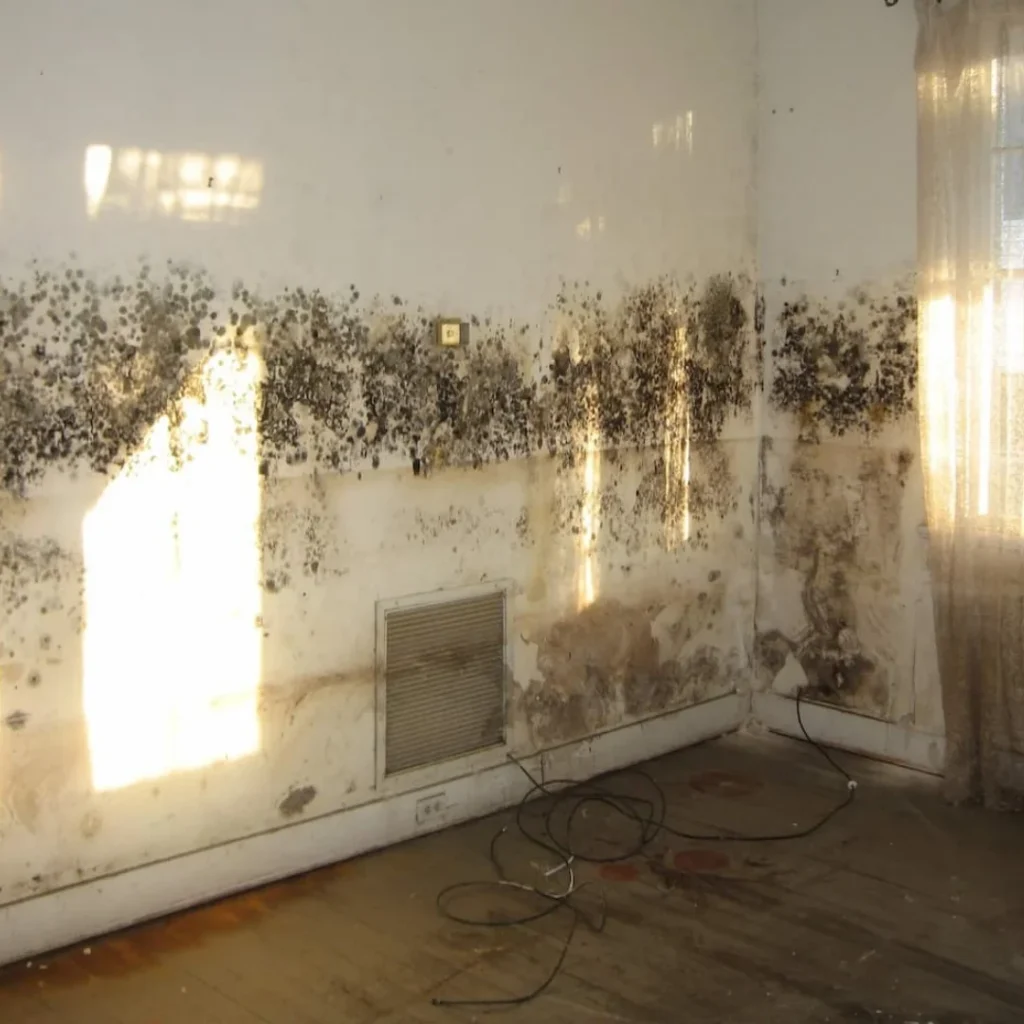
If black mould is not addressed properly, it rarely remains isolated. Mould can continue to spread across surfaces and release spores into the indoor environment, affecting air quality and occupant comfort. Over time, persistent moisture can also lead to surface deterioration, damaged finishes, and recurring condensation issues.
Repeated cleaning without addressing the cause often leads to frustration, with mould returning in the same locations or appearing elsewhere in the property. Early assessment helps prevent escalation and reduces the need for repeated treatments or wider remedial works.
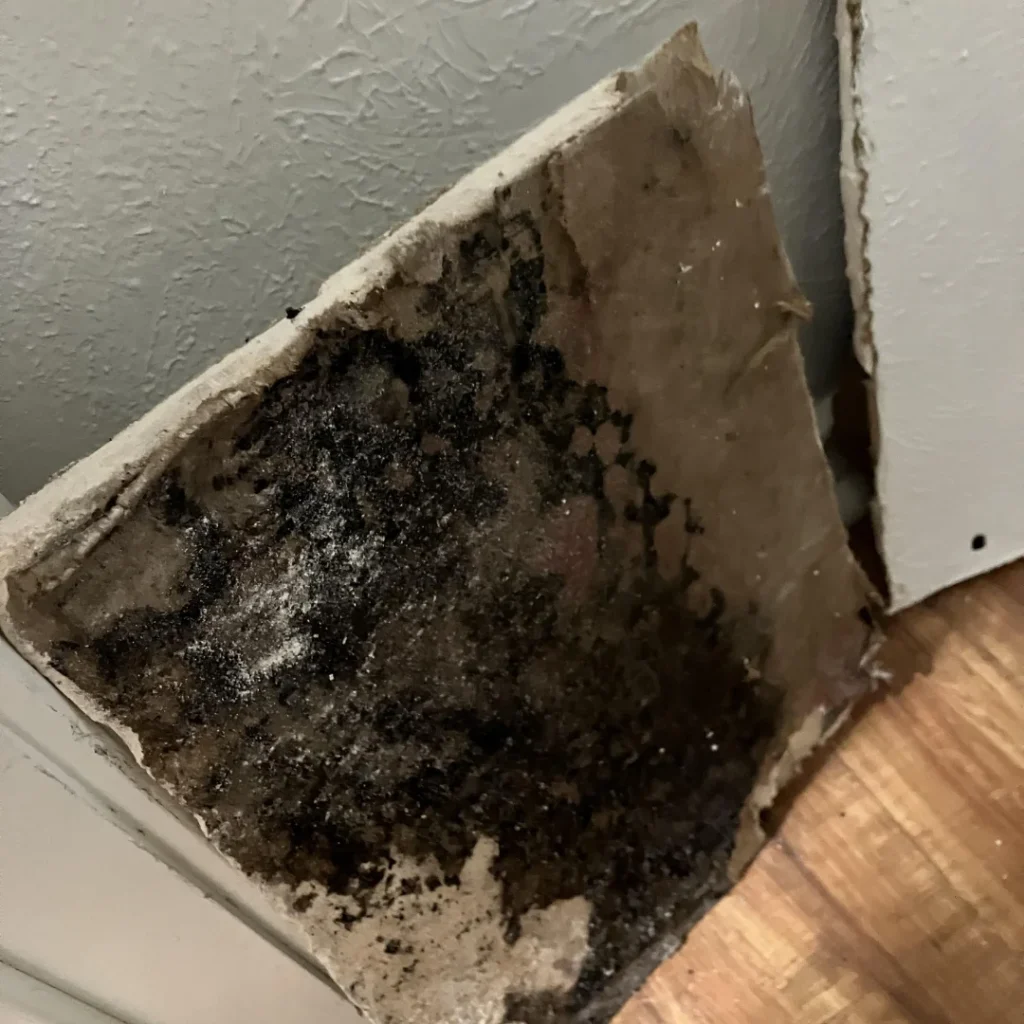
Black mould is almost always driven by one or more of the following conditions:
Persistent condensation
High indoor humidity
Poor ventilation or inadequate air changes
Cold walls, corners, and thermal bridges
Restricted airflow behind furniture or within enclosed spaces
Underlying damp issues contributing to surface moisture
It is the combination of moisture and limited airflow, rather than dirt or neglect, that allows mould to thrive.
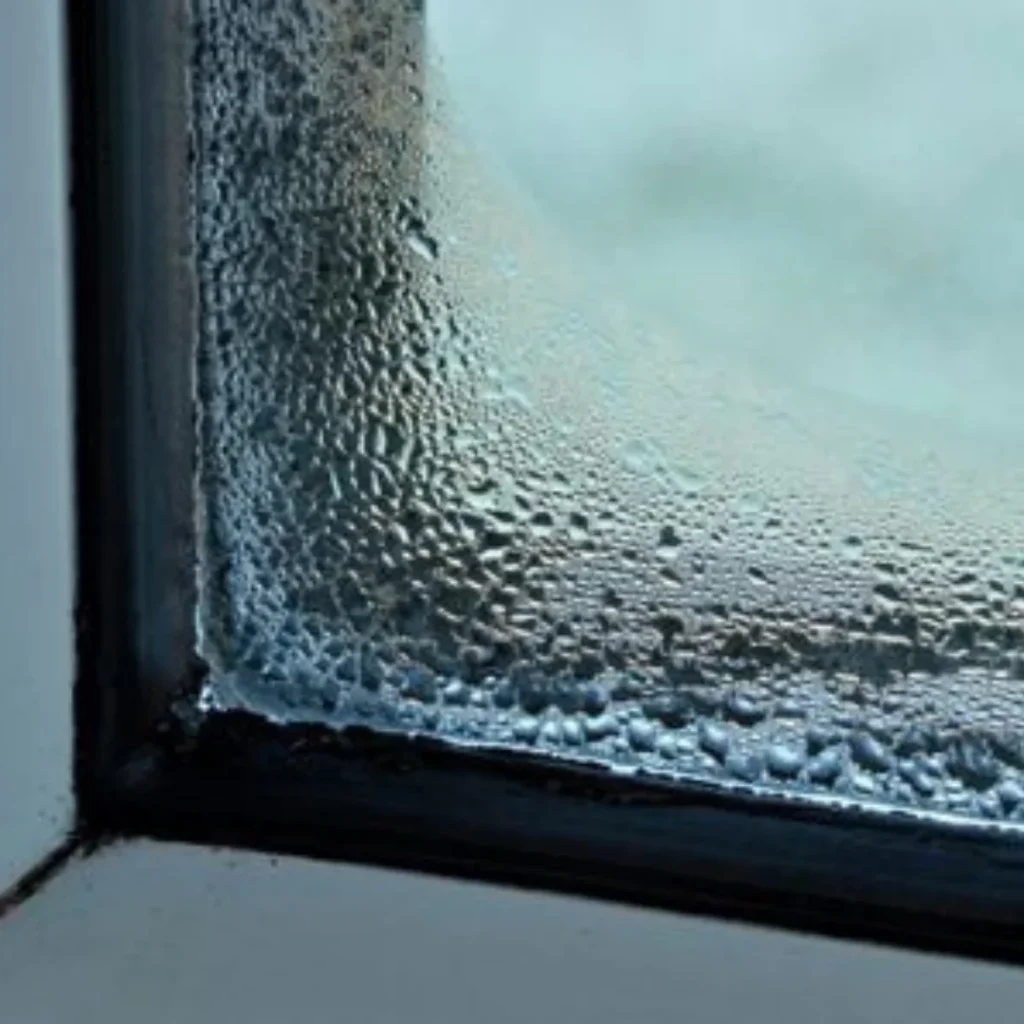
Early warning signs of black mould and moisture imbalance often appear gradually and are easy to dismiss at first. Recurring mould on walls, ceilings, or window reveals usually indicates persistent moisture rather than a one-off issue. Musty or damp odours can signal trapped moisture behind surfaces or within building materials, even when visible mould is limited.
- Condensation forming regularly on windows or cold wall surfaces suggests excess humidity and poor airflow, creating ideal conditions for mould growth.
- Peeling paint, bubbling plaster, or damp patches that return after cleaning or redecorating often point to an unresolved moisture source rather than a surface problem.
Over time, these conditions can affect indoor air quality and the condition of walls, finishes, and furnishings.
When these signs appear repeatedly or in multiple areas of a property, it is usually an indication of an underlying moisture, ventilation, or thermal issue that should be professionally assessed to prevent further deterioration and recurring mould growth.
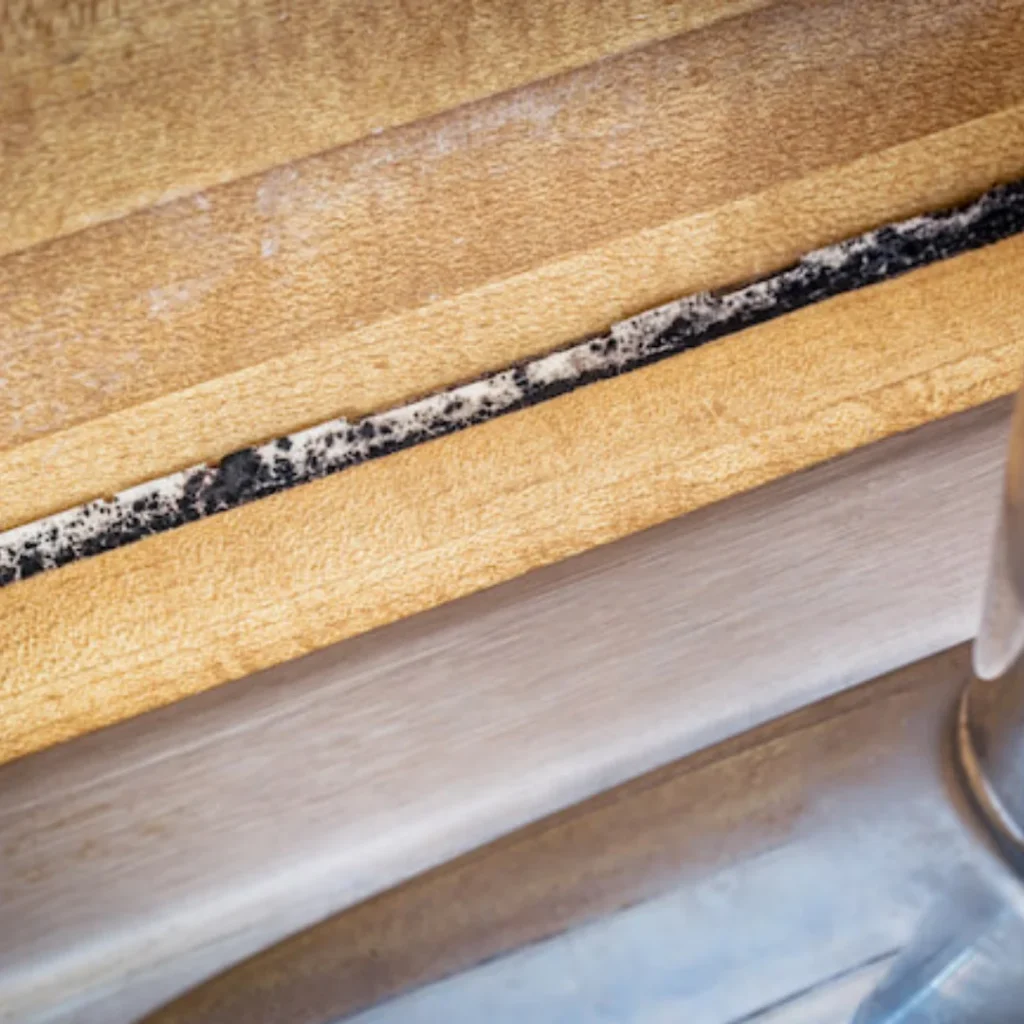
Effective mould prevention focuses on controlling moisture and improving airflow rather than repeated cleaning. Depending on findings, solutions may include ventilation upgrades, humidity control measures, cold surface improvements, and whole-property airflow balancing. These measures help maintain healthier indoor conditions and reduce the likelihood of mould returning.
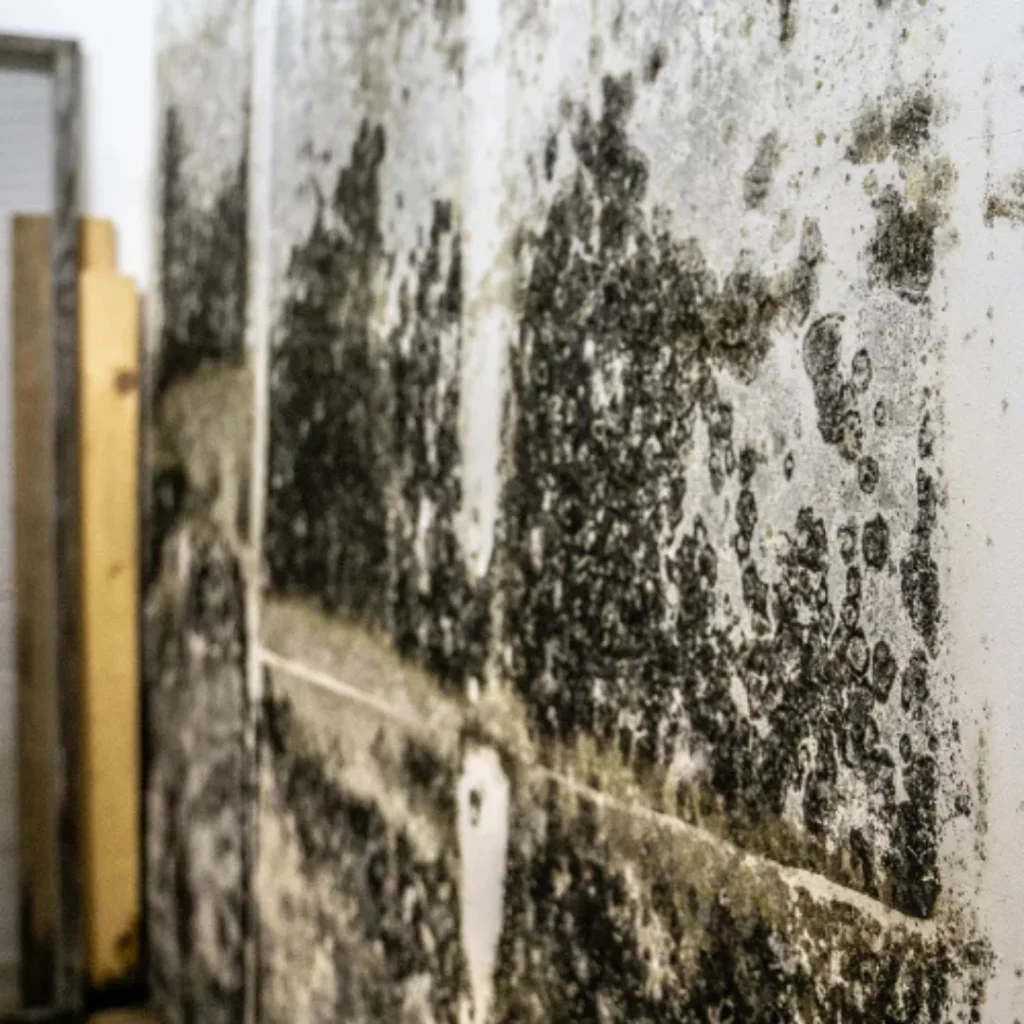
Common Causes of Black Mould in Homes
Black mould thrives in environments where excess moisture is allowed to persist. While mould spores are present in all properties, growth only occurs when moisture, limited airflow, and suitable surfaces combine. Identifying and addressing these root causes is essential before any removal takes place, otherwise mould is likely to return. Below are the most common conditions that create the ideal environment for black mould.
Faulty plumbing, such as leaking pipes, overflowing appliances, or blocked gutters, can introduce constant moisture into walls, ceilings, and enclosed spaces. This sustained dampness creates ideal conditions for black mould, often developing out of sight behind fixtures, cupboards, or wall linings until damage becomes more widespread.
Penetrating damp caused by roof defects, damaged flashing, cracked masonry, or wind-driven rain allows moisture to enter the building fabric. This commonly leads to black mould forming on ceilings, upper walls, and external-facing surfaces. These issues often worsen after storms and require timely structural repair to prevent ongoing moisture ingress.
Everyday activities such as cooking, showering, and drying clothes indoors release moisture into the air. When warm, humid air meets cold surfaces like windows, external walls, or corners, condensation forms. In properties with poor insulation or cold walls, this repeated condensation becomes a primary driver of black mould growth.
Bathrooms, kitchens, and utility rooms are particularly vulnerable where ventilation is inadequate. Without effective extraction or consistent airflow, steam and moisture become trapped, encouraging mould growth on tiles, grout, sealants, and surrounding surfaces. These areas often show early signs of mould when airflow is insufficient.
Basements, properties affected by flooding, or homes experiencing prolonged high humidity are at increased risk. When moisture levels remain elevated, particularly above recommended thresholds, materials such as plasterboard, timber, and insulation become vulnerable to mould development. Rapid drying and moisture control are critical following any water damage to prevent mould from establishing.
Our Proven Black Mould Removal and Prevention Process
Our black mould removal in Dorset and Hampshire goes beyond surface cleaning. We identify and treat the underlying moisture issues to ensure mould does not return.
A detailed property inspection and moisture diagnosis is carried out to assess visible mould growth, humidity levels, ventilation performance, and affected surfaces. Comprehensive surveys are used to pinpoint the exact source of damp and mould within the property.
Survey findings are carefully analysed to identify the underlying cause of mould growth. This may include condensation, excess humidity, poor ventilation, cold surfaces, or multiple contributing factors acting together.
Safe, specialist mould treatments are applied using professional-grade solutions designed to remove mould effectively without damaging surfaces or compromising indoor air quality. All works are carried out by our in-house team.
Ventilation improvements are implemented to reduce future risk, including the installation of Positive Input Ventilation (PIV) systems where appropriate. These measures regulate humidity, improve airflow, and help prevent future mould growth, supported by clear reporting and aftercare guidance.
Areas We Cover
Proofterior provides independent damp surveys and specialist damp proofing services across Dorset, Hampshire, and surrounding areas. We work with homeowners, landlords, property managers, and buyers who need clear answers, accurate diagnosis, and long-term solutions, not guesswork or sales-driven recommendations.