
Air Quality Improvement Specialists in Dorset and Hampshire – Reducing humidity, improving airflow, and creating healthier indoor environments
Whole-Home Protection from damp or moulds Starts with Airflow. Damp and mould are rarely isolated problems. They are usually symptoms of how air, heat, and moisture interact inside a property. Left unaddressed, these conditions contribute to condensation, mould growth, discomfort, and long-term fabric deterioration. At Proofterior, all air quality improvements are survey-led and evidence-based, designed to manage moisture, improve ventilation, and deliver lasting improvements rather than short-term fixes.
Condensation is the most common cause of damp and mould in UK homes. It forms when three conditions combine:
High indoor humidity
Poor ventilation
Cold internal surfaces
Everyday activities such as cooking, showering, drying clothes indoors, and even breathing release moisture into the air. Warm air holds this moisture until it comes into contact with a colder surface, such as an external wall, window, or ceiling. When the air cools rapidly, it can no longer retain the same amount of moisture, so water is released in the form of condensation.
Condensation is not always visible as water droplets. Often it appears as a thin layer of dampness on surfaces. If this occurs daily, materials like plaster, paint, and timber begin absorbing moisture. Over time this leads to:
Peeling paint
Damp patches
Musty odours
Surface staining
Black mould growth
Mould spores thrive in damp conditions and can begin developing within 24 to 48 hours of repeated moisture exposure.
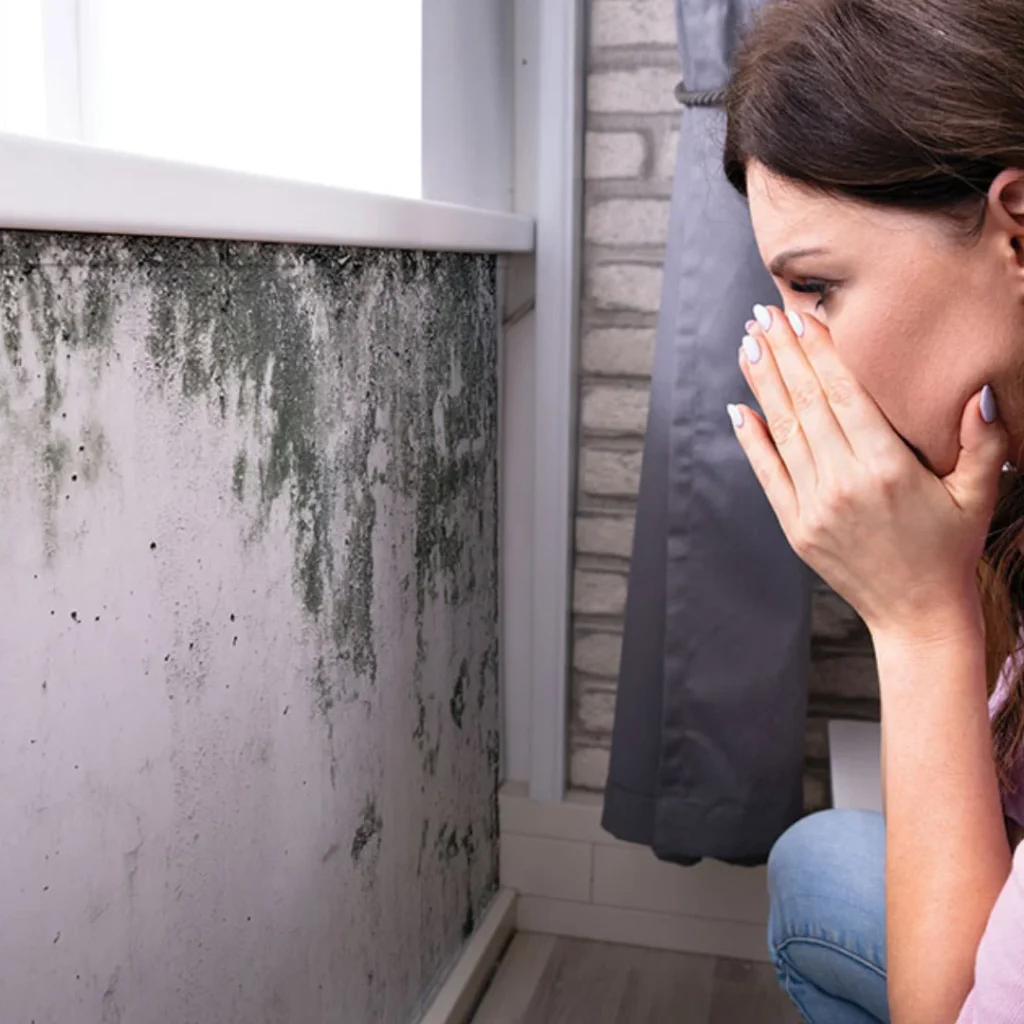
Cold Walls
External walls are naturally cooler than internal air, especially during autumn and winter. In older properties or homes with limited insulation, wall surface temperatures can fall below the dew point, meaning condensation forms more easily.
You may notice this on:
North-facing walls
Solid brick properties
Rooms with limited heating
Corners of bedrooms
Repeated condensation on these surfaces encourages mould growth.
Cold Bridging
Cold bridging occurs where insulation is missing or interrupted. This creates localised cold spots that attract condensation.
Common cold bridging areas include:
Around window reveals
At lintels above doors
At wall-to-floor junctions
Behind fitted wardrobes or cabinets
In room corners
Because airflow is also reduced in these areas, moisture remains trapped longer, increasing mould risk.
Cold bridging is often misunderstood as “just mould,” when in reality it is a temperature and airflow issue.
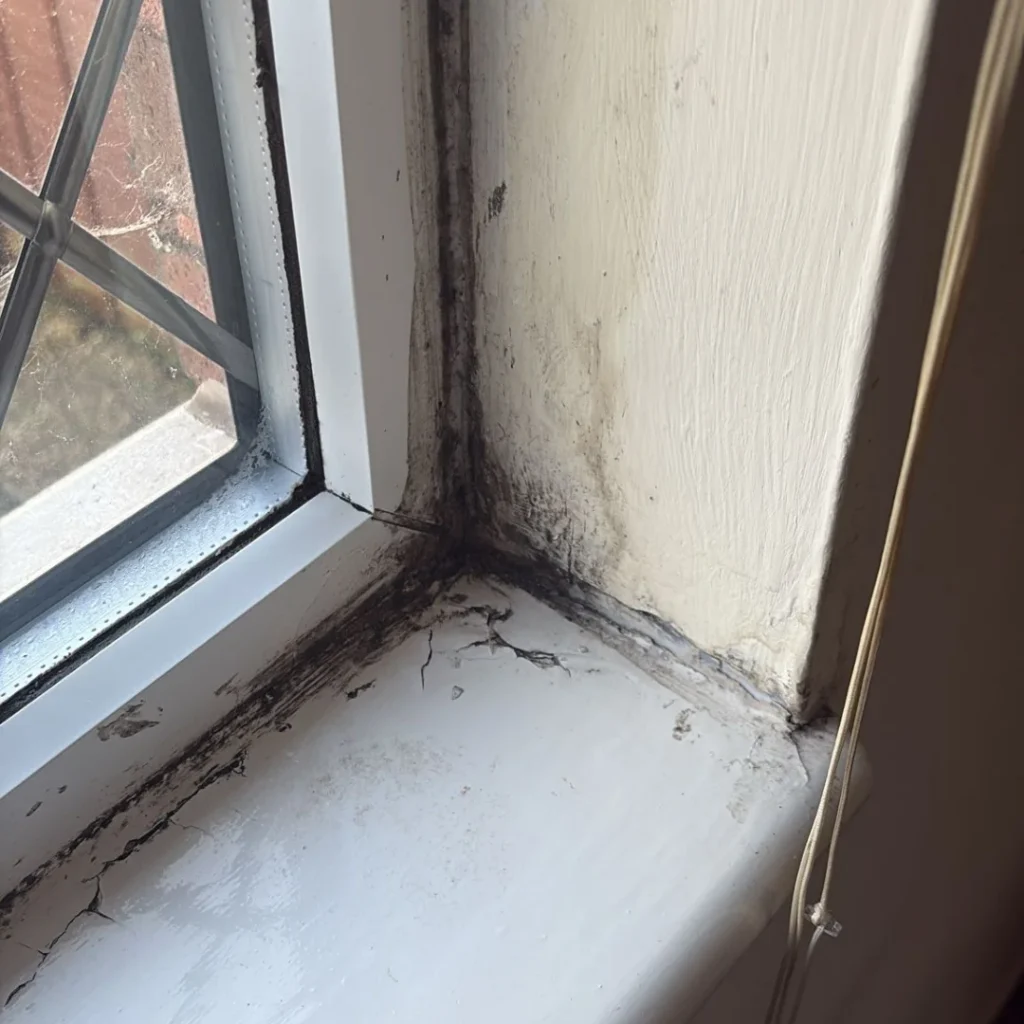
Mould often returns because only the visible growth was removed, not the environmental cause.
Effective protection looks beyond the affected surface and considers how the entire property behaves. Whole-home moisture control examines:
How air moves through the property
Where humidity builds
How surface temperatures vary
Where condensation is most likely to form
Whether structural defects or leaks are contributing
In some homes, poor air quality is caused by localised ventilation issues rather than a full-house imbalance. Bathrooms, kitchens, and utility rooms are common moisture hotspots where steam accumulates quickly. If extraction is insufficient, humidity spreads to cooler parts of the home, increasing condensation risk elsewhere.
Proofterior assesses airflow both at property level and at room level before recommending improvements. This may involve upgrading extractor fans, improving passive ventilation, installing PIV systems, or correcting structural moisture sources. By removing moisture at source and balancing airflow across the home, we significantly reduce the likelihood of recurring damp and mould.
Our Airflow & Moisture Control Solutions
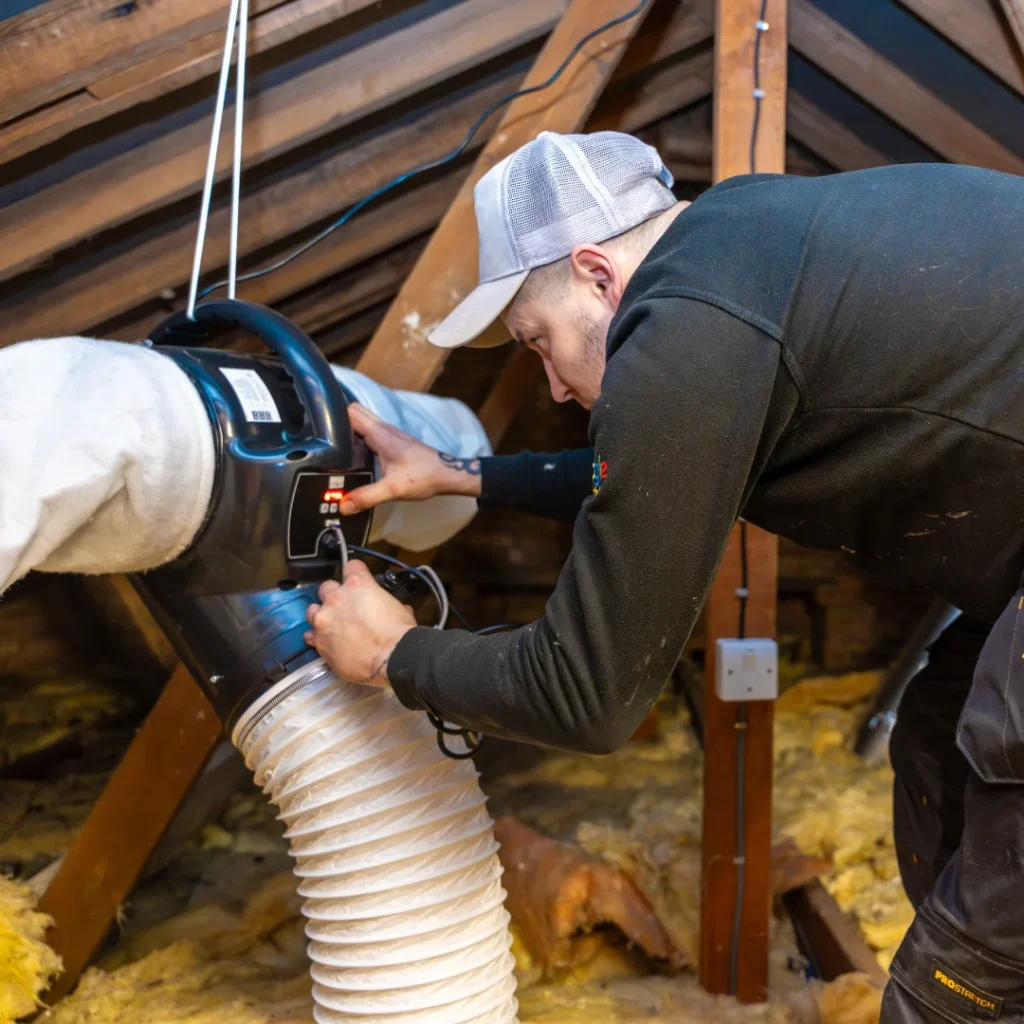
PIV systems introduce a continuous supply of filtered, fresh air into the property. This gently dilutes moisture-laden indoor air and reduces humidity levels across the home.
Benefits include:
Reduced condensation
Lower mould recurrence
Improved indoor air quality
Balanced whole-property ventilation
Low-energy operation
Unlike dehumidifiers or opening windows, PIV systems provide consistent, controlled airflow.
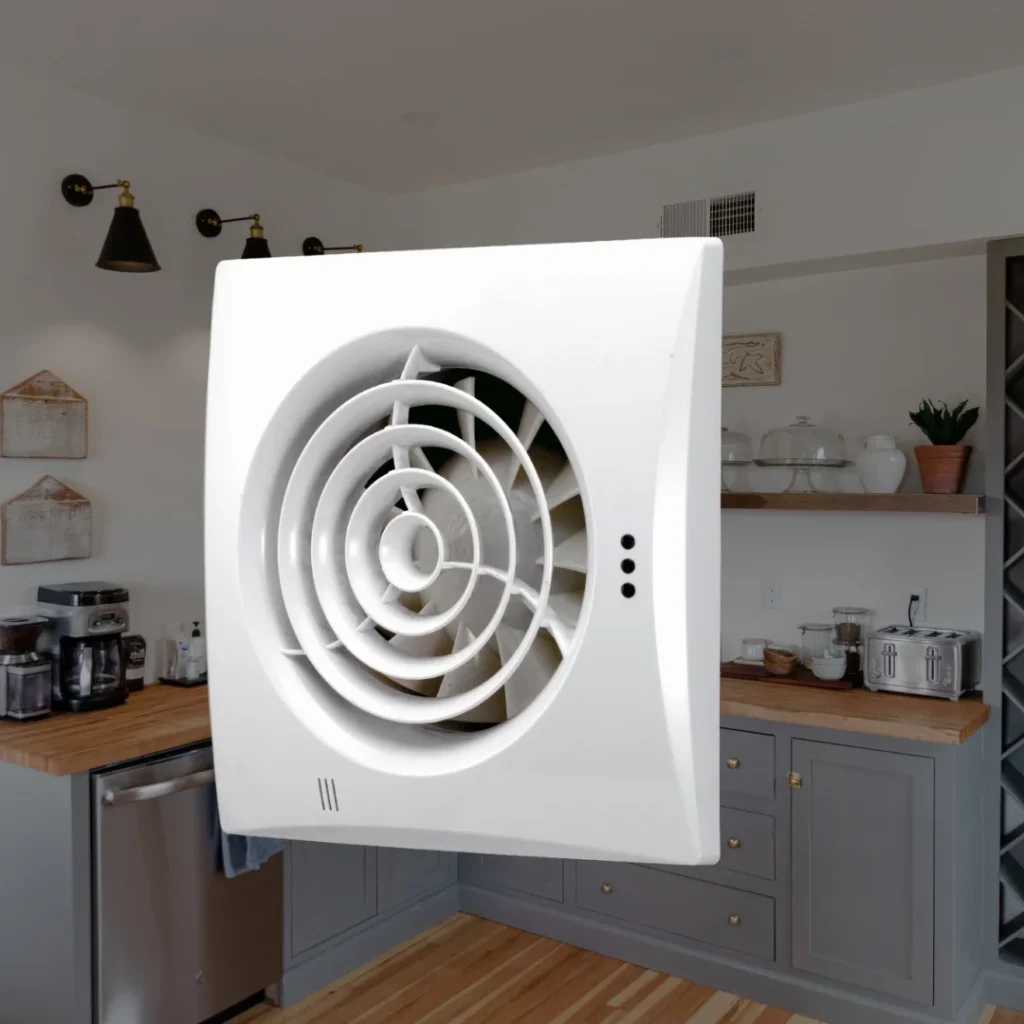
In kitchens, bathrooms, and utility areas, humidity-controlled extractor fans automatically activate when moisture levels rise.
This ensures:
Steam is removed at source
Moisture does not migrate into other rooms
Daily humidity spikes are controlled
Smart extraction supports whole-home ventilation balance.
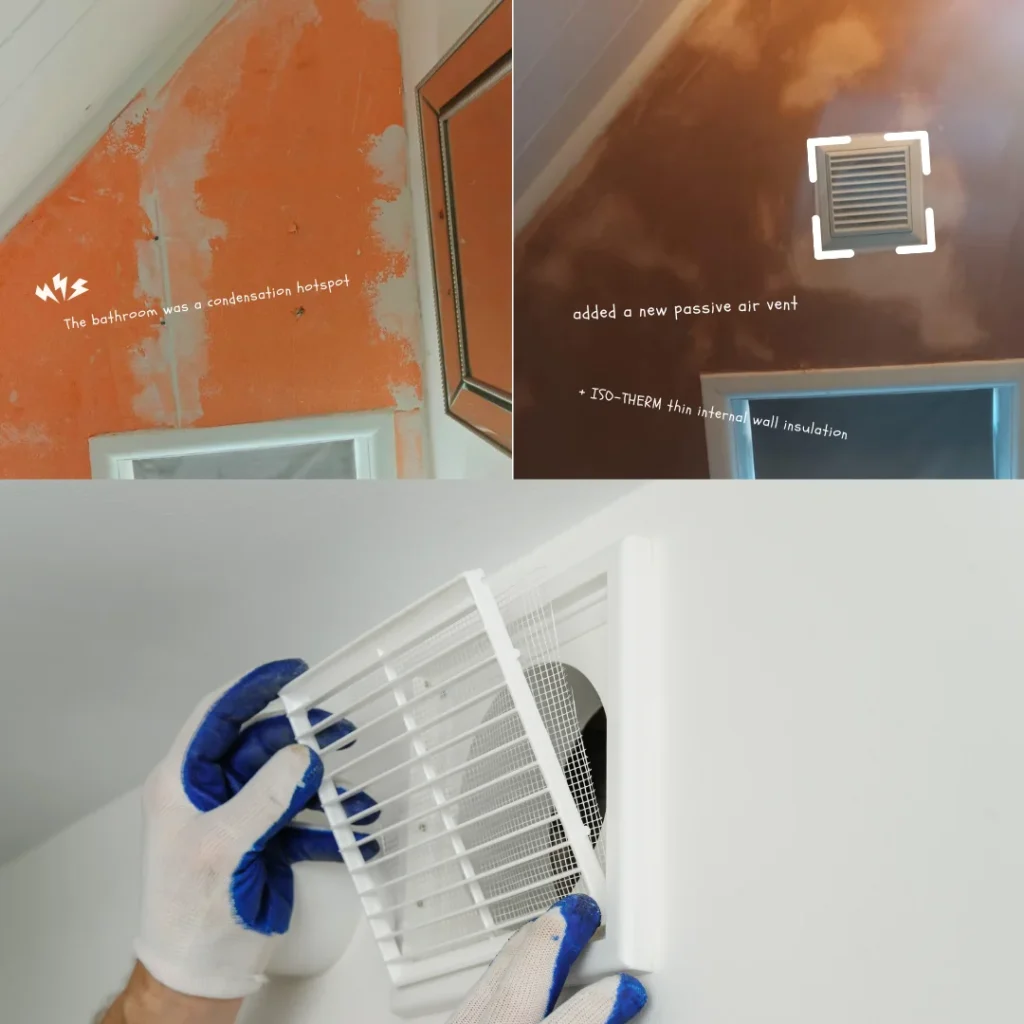
Passive wall vents improve natural air movement between rooms and external air. They help relieve stagnant air pockets and reduce condensation build-up in enclosed spaces.
These are particularly useful in:
Bedrooms
Living rooms with limited airflow
Properties with sealed modern windows
Ventilation alone cannot solve structural moisture ingress.
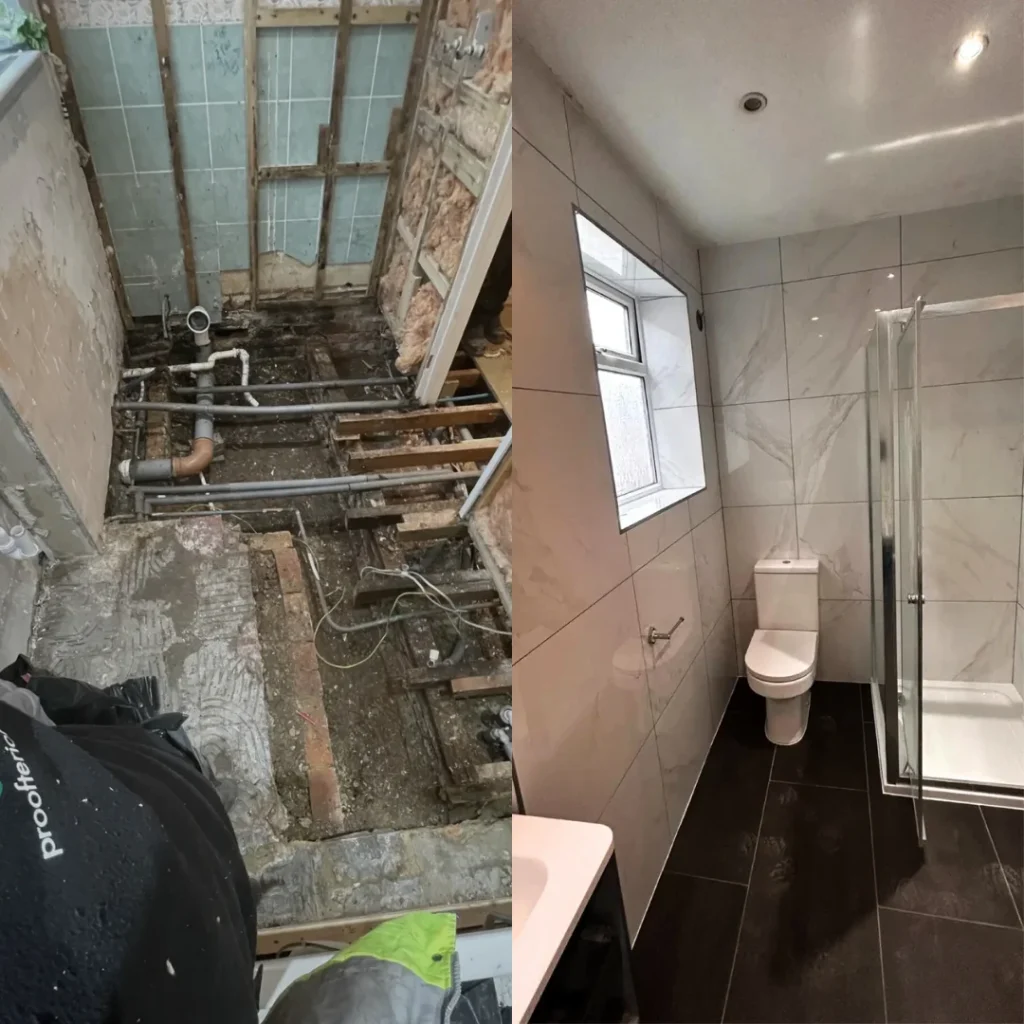
We also assess and repair:
Plumbing leaks
Roof defects
Failed flashing
Gutter overflow
External masonry defects
Addressing water entry points ensures airflow improvements are not undermined by ongoing structural damp.
The Long-Term Benefits of Airflow Correction
Improving airflow is not just about stopping mould. It improves how your entire home performs.
When ventilation and moisture levels are properly balanced, the benefits extend beyond visible damp patches.
Improved ventilation and moisture control:
Protect internal finishes such as plaster, paint, and flooring from repeated moisture damage
Reduce the likelihood of recurring black mould growth
Improve respiratory comfort by lowering airborne spores and stale air
Minimise condensation on windows and cold surfaces
Reduce damp-related timber decay in skirting boards and floor structures
Support better energy efficiency by stabilising internal humidity
Help heating systems work more effectively in drier air
Protect long-term property value by preventing structural deterioration
A consistently drier home feels warmer, smells fresher, and requires less ongoing maintenance. By correcting airflow and humidity imbalance early, homeowners avoid repeated redecoration, mould cleaning, and avoidable repair costs.
A balanced indoor environment is not just healthier, it is more resilient against future damp issues.

Areas We Cover
Proofterior provides independent damp surveys and specialist damp proofing services across Dorset, Hampshire, and surrounding areas. We work with homeowners, landlords, property managers, and buyers who need clear answers, accurate diagnosis, and long-term solutions, not guesswork or sales-driven recommendations.