
Damp Proof Course Specialists in Dorset and Hampshire - Stopping rising damp at source
Rising damp is one of the most misunderstood moisture problems in homes. When a damp proof course fails, is damaged, or was never installed, moisture from the ground can travel up through walls, causing visible damage and long-term deterioration. If you’ve noticed peeling paint, crumbling plaster or damp patches rising from the ground, your home may be suffering from rising damp. At Proofterior, damp proof course installations are survey-led and correctly specified to stop moisture at source, not simply cover up the symptoms.
A damp proof course, commonly referred to as a DPC, is a protective barrier installed within the walls of a property to prevent moisture rising from the ground through capillary action. It is typically positioned around 150 mm above external ground level and acts as a horizontal barrier that stops water moving upwards through masonry.
Most modern properties are constructed with a built-in DPC, but over time, this protective layer can weaken or fail due to various factors. In older buildings, natural wear and tear can cause deterioration, while external materials such as soil, paving or render can bridge the DPC, allowing moisture to bypass it. Some period properties may lack a DPC altogether or suffer from poor initial installation, making them more vulnerable to damp issues.
If a compromised or missing DPC is left untreated, moisture can spread throughout the property, leading to damage to walls, floors and interior décor. Addressing the issue promptly is crucial to maintaining a dry, structurally sound and healthy living environment.
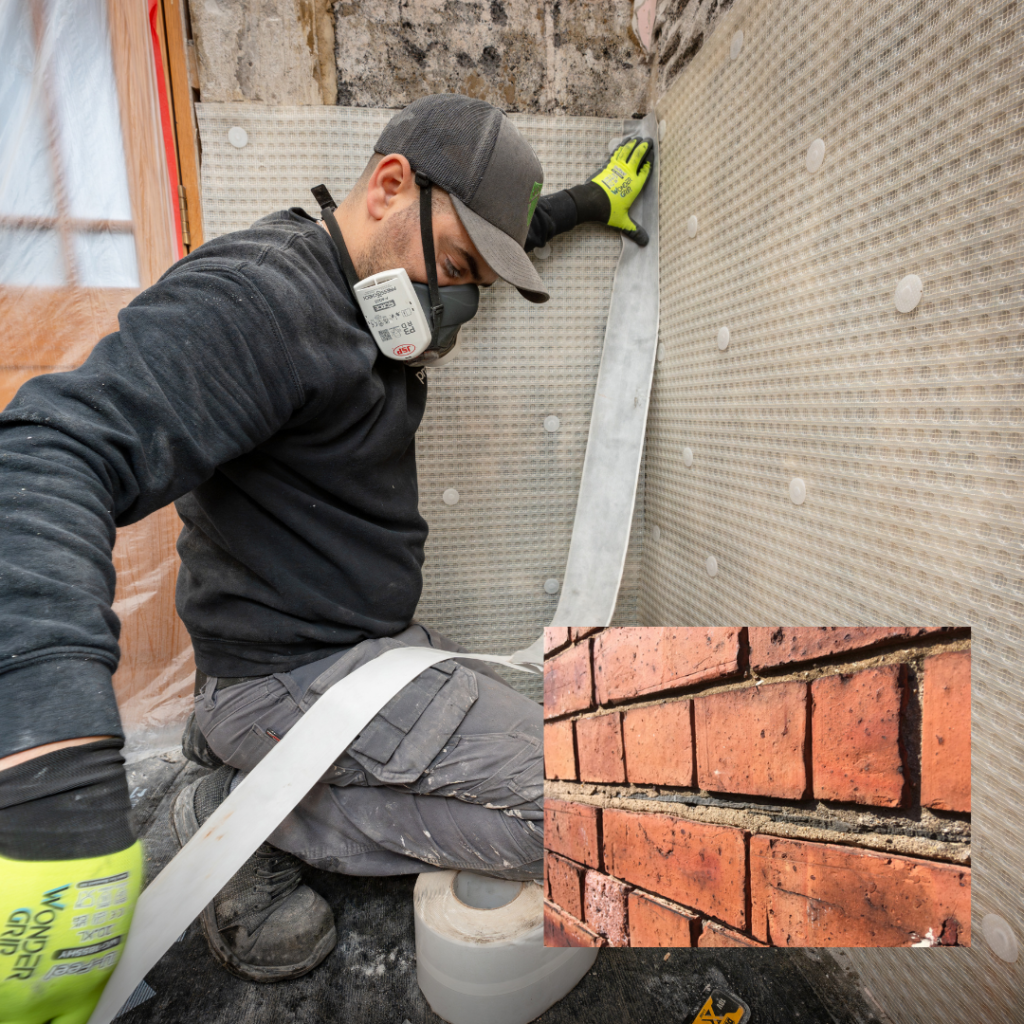
Ground moisture is naturally present beneath all properties. Without an effective damp proof course, this moisture can be drawn up through bricks and mortar like a sponge.
A correctly installed DPC works by:
Creating a continuous barrier that interrupts moisture movement
Preventing ground water from rising into internal wall structures
Allowing walls above the DPC to remain dry and stable
When installed as part of a wider damp control strategy, a DPC provides long-term protection against rising damp.
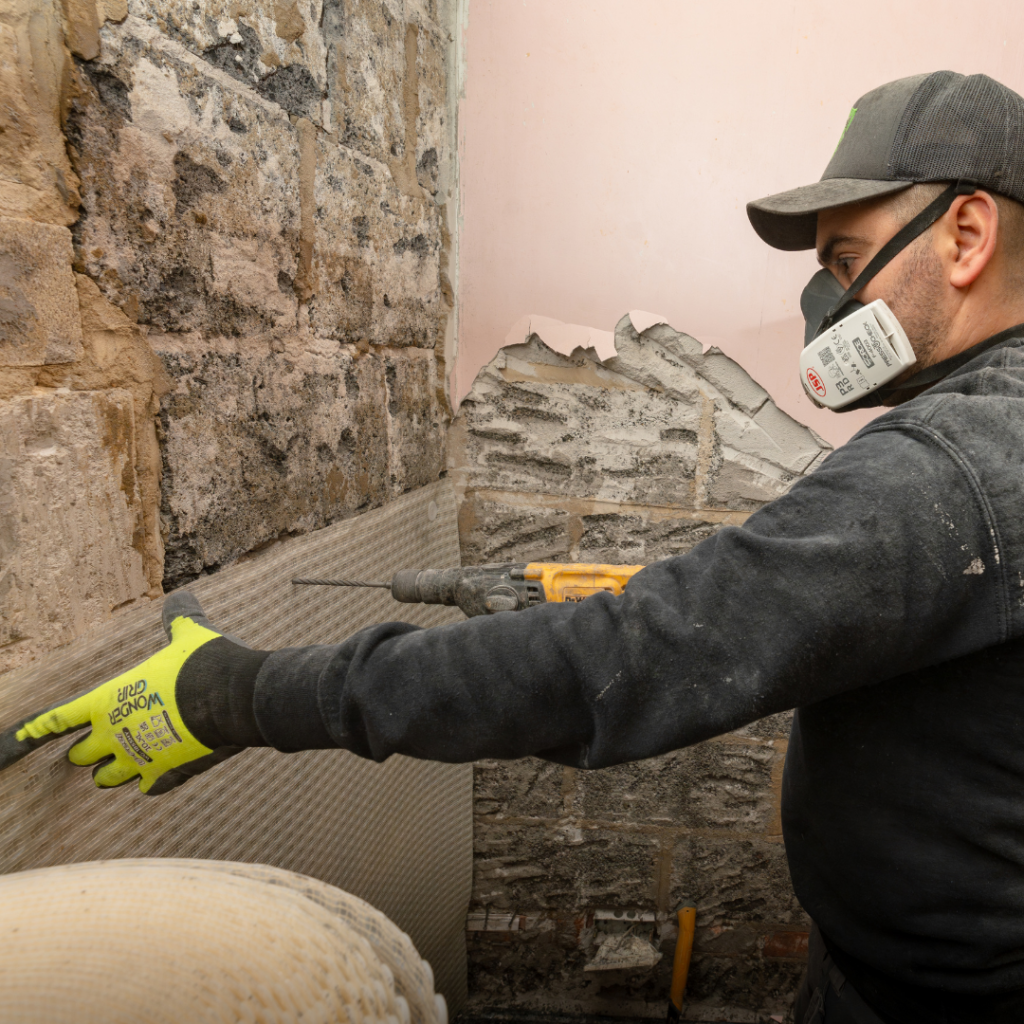
A failing damp proof course often reveals itself through noticeable changes near ground level. Watch for these warning signs:
- Yellow or brown tide-like stains creeping up your walls.
- Blistering and peeling paint that won’t stay intact.
- Powdery, crumbling mortar between bricks.
- Drummy plaster—a hollow sound when you tap the wall.
- Salt deposits forming white crystals on surfaces.
- Decaying skirting boards or woodwork near the floor.
Damp proof courses can fail or become ineffective for several reasons:
Age and natural deterioration
Bridging caused by raised external ground levels
Internal plaster or flooring bridging the DPC
Damage from building works
Poor or incorrect installation
Properties built without a DPC
Identifying the cause of failure is critical before treatment is recommended.
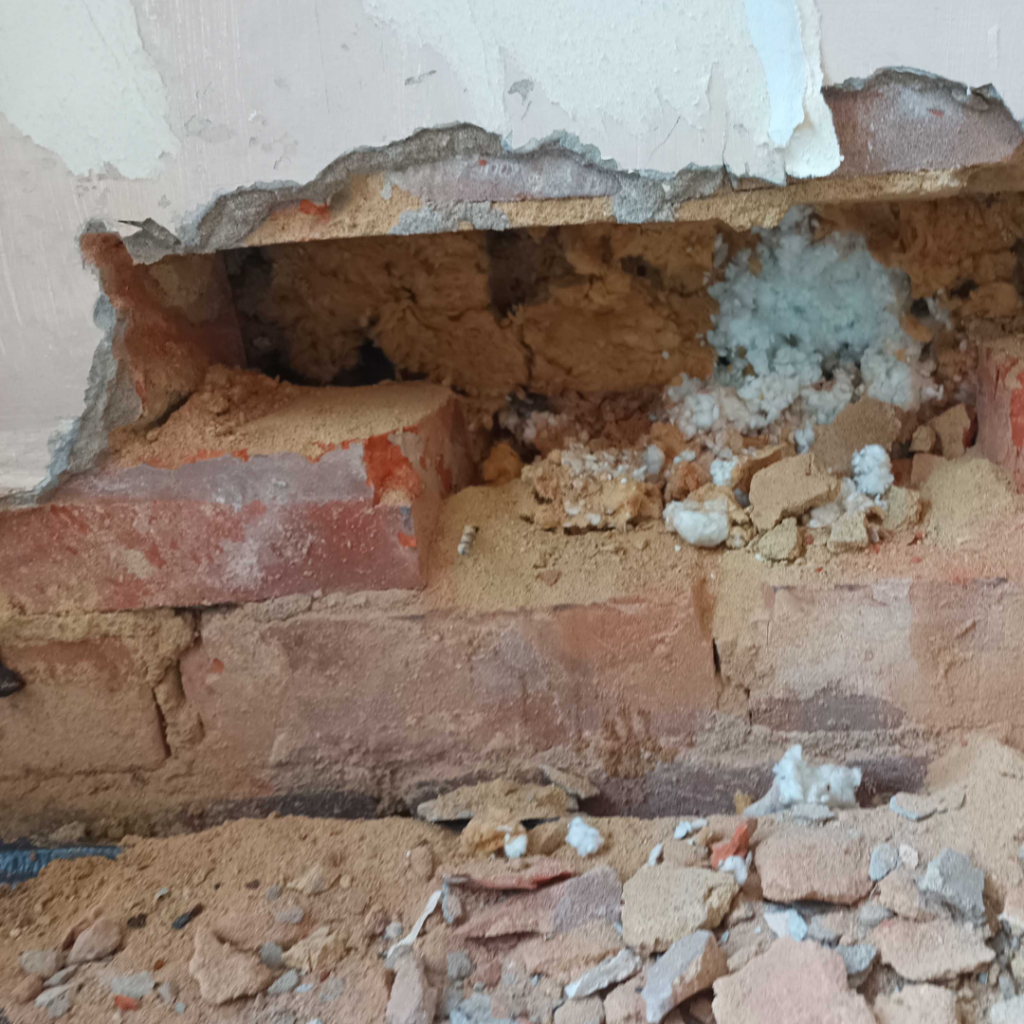
Without an effective damp proof course, moisture can continue to rise through walls, leading to ongoing damage. Over time, rising damp can:
Damage plaster, finishes, and decorations
Encourage mould growth and poor indoor air quality
Lead to timber decay at floor and skirting level
Reduce thermal efficiency of walls
Increase long-term repair costs
A properly installed DPC stops moisture movement at its source, protecting both the structure and internal environment of the home.
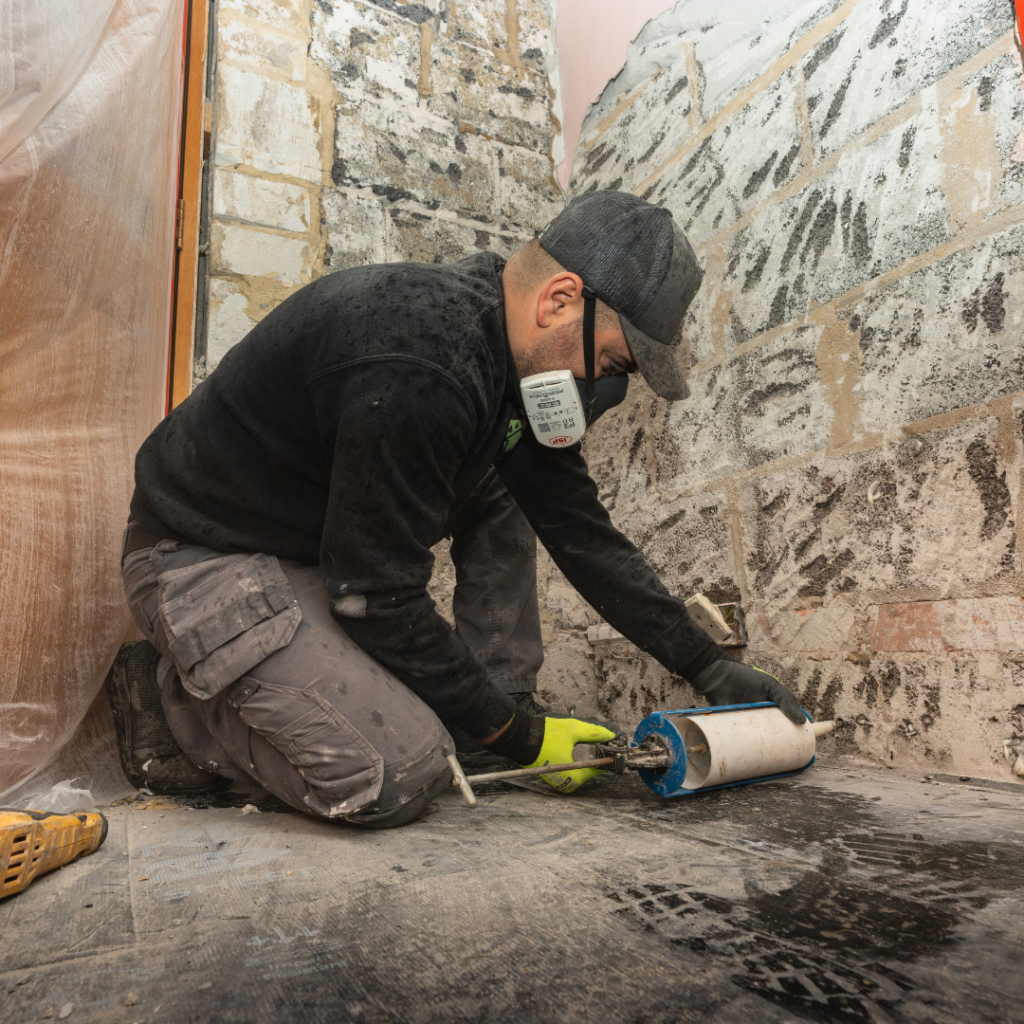
Types of Damp Proof Course Systems
Not all properties require the same solution. The correct DPC type depends on wall construction, age, and moisture behaviour.
Chemical Injection Damp Proof Course
This is the most common modern method. A damp proof cream is injected into mortar joints, where it cures to form a water-repellent barrier within the wall. It is suitable for most masonry properties when correctly installed.
Physical Damp Proof Course
Typically found in newer buildings, this involves a physical membrane such as slate or plastic. In older properties, installing a new physical DPC can be disruptive and is usually only considered in specific structural situations.
Combination Systems
In some cases, a damp proof course is installed alongside replastering, drainage improvements, or ventilation upgrades to ensure moisture is fully controlled.
A professional survey ensures the correct system is selected and applied.
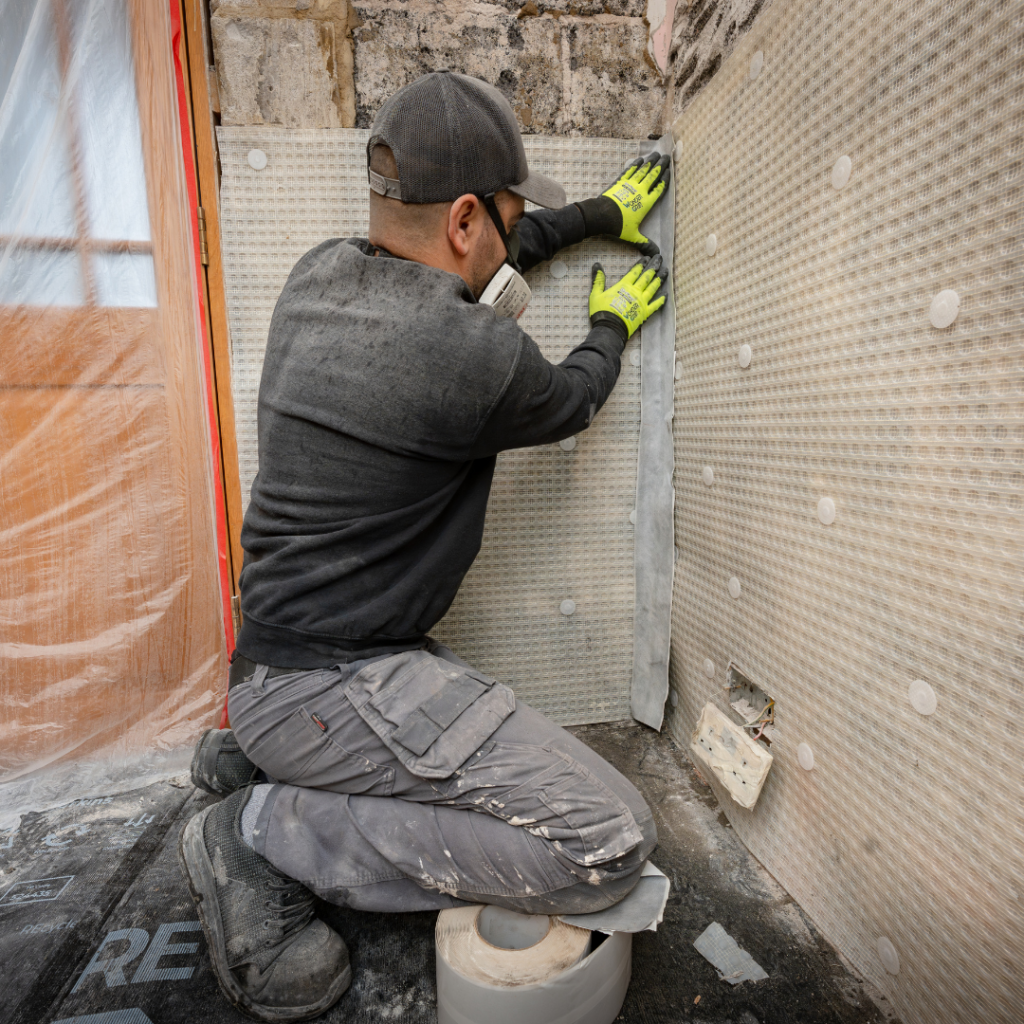
Why correct diagnosis comes before any treatment?
Damp problems can have multiple causes, and many present with similar symptoms on walls and ceilings. Before any remedial work is considered, it is essential to identify where moisture is coming from and how it is moving through the property. Treating the wrong issue can lead to unnecessary work and recurring problems.
Common sources of damp include:
Leaking roofs, gutters, or plumbing
Defective external masonry, pointing, or render
Bridged, damaged, or missing damp proof courses
Condensation caused by poor ventilation or high humidity
Faulty or poorly installed cavity wall insulation
Drainage issues or external ground levels allowing moisture to track toward the building
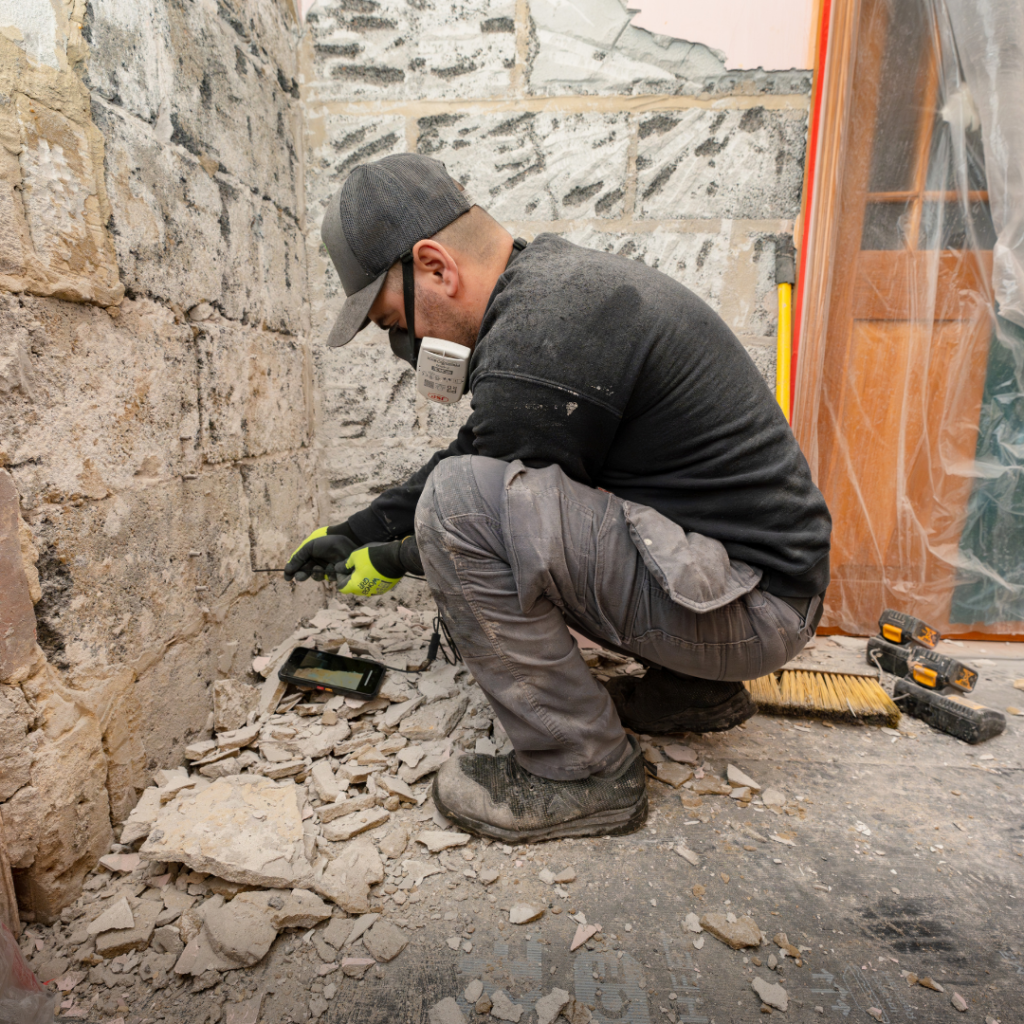
While handheld moisture meters can indicate elevated moisture levels, they do not confirm the cause. A professional assessment looks at moisture patterns, salt contamination, construction type, and environmental factors to ensure the correct solution is specified and long-term results are achieved.
Areas We Cover
Proofterior provides independent damp surveys and specialist damp proofing services across Dorset, Hampshire, and surrounding areas. We work with homeowners, landlords, property managers, and buyers who need clear answers, accurate diagnosis, and long-term solutions, not guesswork or sales-driven recommendations.