
Professional diagnosis & long-term protection for Timber
Professional Timber Treatment and Restoration for Long-Term Protection
Our approach is evidence-led and compliant with recognised timber treatment standards. Each inspection focuses on identifying active decay, infestation type, and underlying moisture conditions before any remedial work is recommended. Treatments are delivered by our in-house specialists using professional-grade systems designed to restore timber strength and prevent future deterioration.
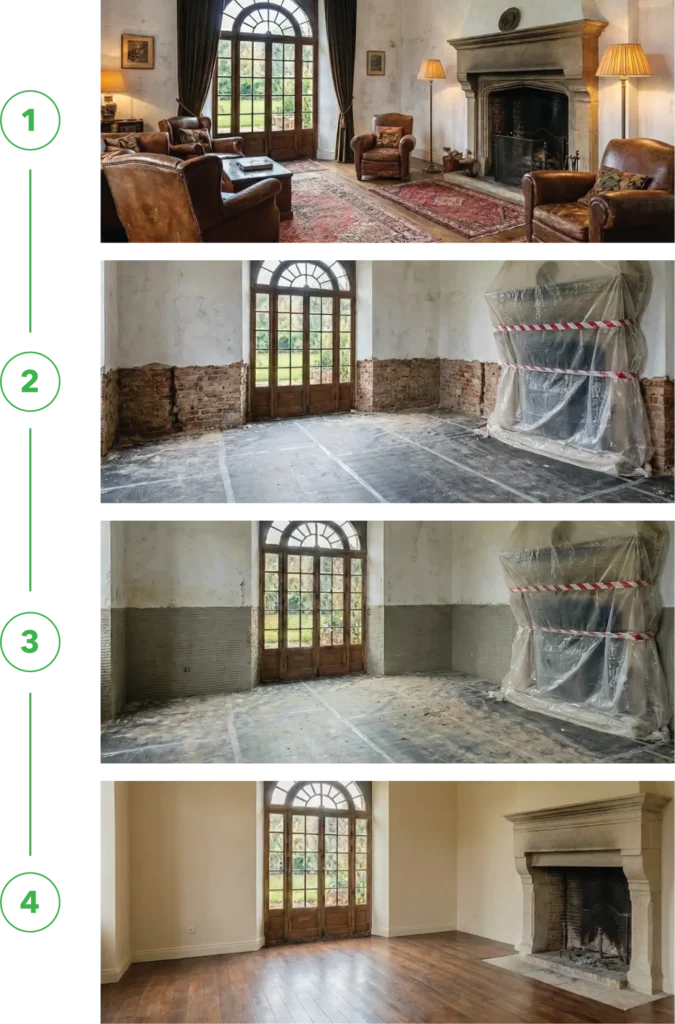
Our Timber Treatment and Restoration Process
Every timber issue is different, which is why our work follows a structured process designed to accurately diagnose decay or infestation and deliver long-term structural protection.
Survey
A detailed timber survey is undertaken to assess structural and internal timbers for signs of fungal decay, insect infestation, moisture exposure, and ventilation defects. Surrounding building fabric is inspected to identify conditions contributing to timber deterioration.
Diagnosis
Survey findings are analysed to confirm the timber defect or infestation present, such as wet rot, dry rot, or wood-boring insect activity. The extent, activity level, and underlying moisture source are clearly identified to ensure treatment is correctly specified.
Treatment
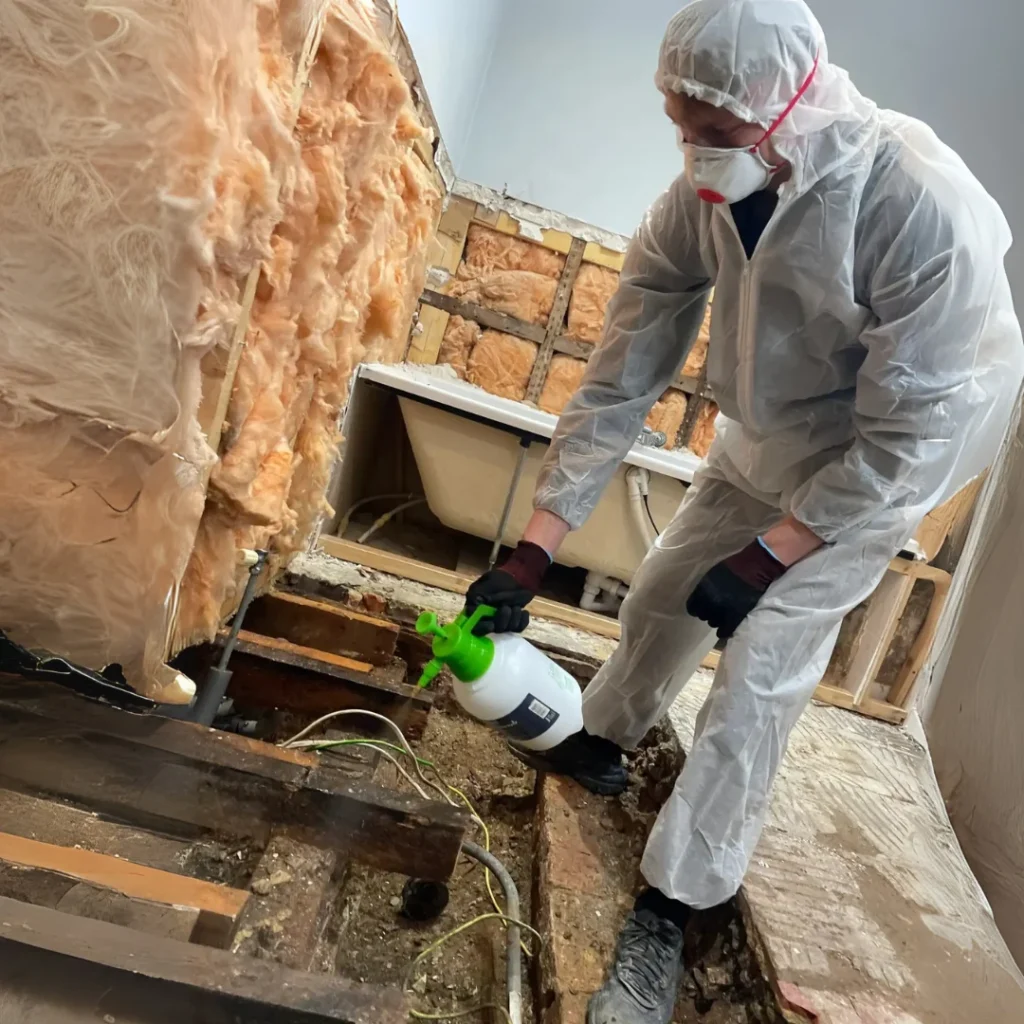
Once confirmed, appropriate timber treatment and remedial works are completed by our in-house team. This may include removal of affected timber, application of fungicidal or insecticidal treatments, structural repairs, and moisture control measures.
Protection
Preventative measures are applied to reduce future risk, including timber preservation, improved ventilation, and reinstatement using treated materials. All works focus on durability and long-term performance, supported by clear reporting and aftercare guidance.


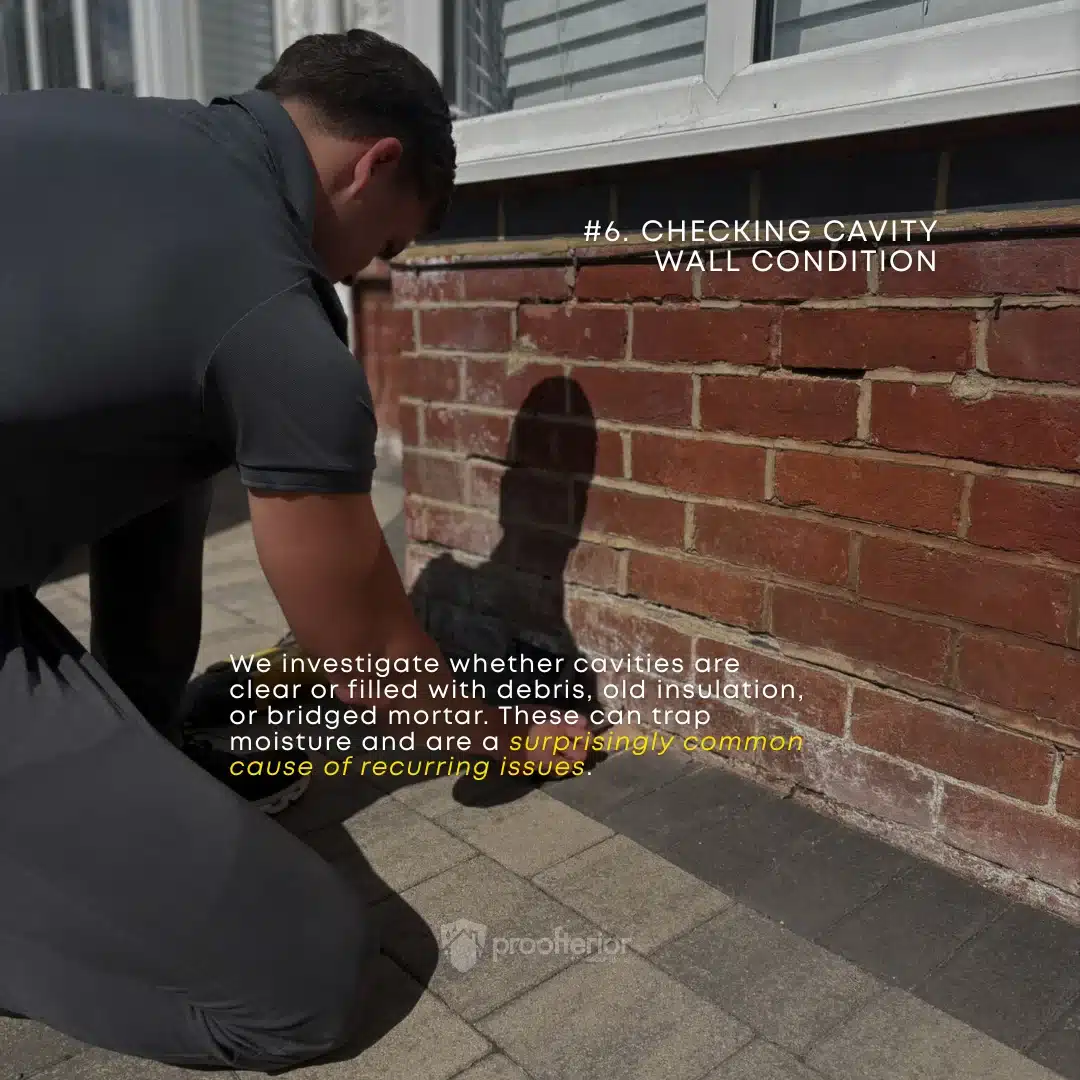
What happens when Timber Problems Are Left Untreated
Timber decay and infestation rarely remain static. Once moisture, fungal growth, or insect activity is present, deterioration can spread beyond the original area, weakening structural elements and increasing repair costs. What may start as minor timber damage can develop into widespread structural failure if the underlying cause is not addressed correctly.
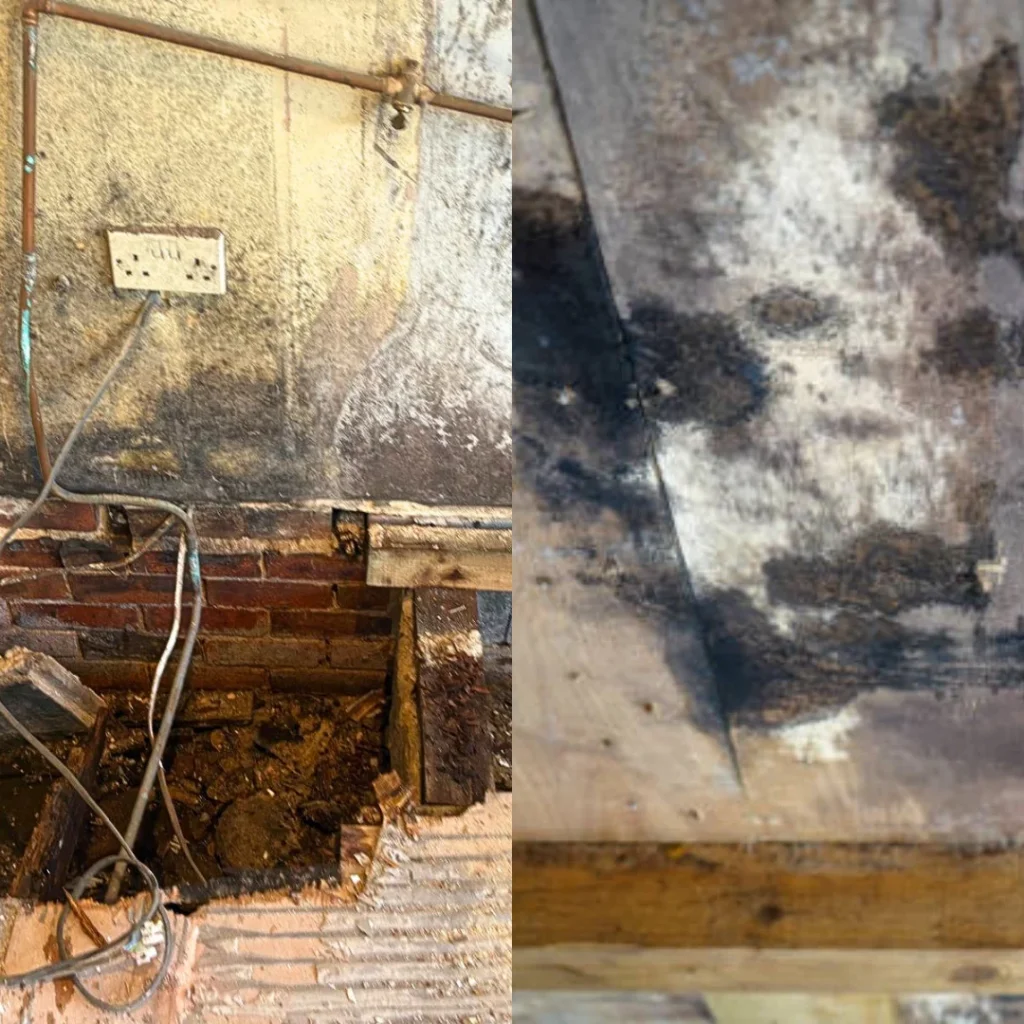
Understanding Timber Decay and Infestation
Timber issues are often linked to damp conditions, poor ventilation, or concealed moisture sources. Wet rot, dry rot, and wood-boring insects each behave differently and require specific treatment methods. Misdiagnosis is common, which is why surface-level repairs or generic treatments frequently fail to resolve the problem.
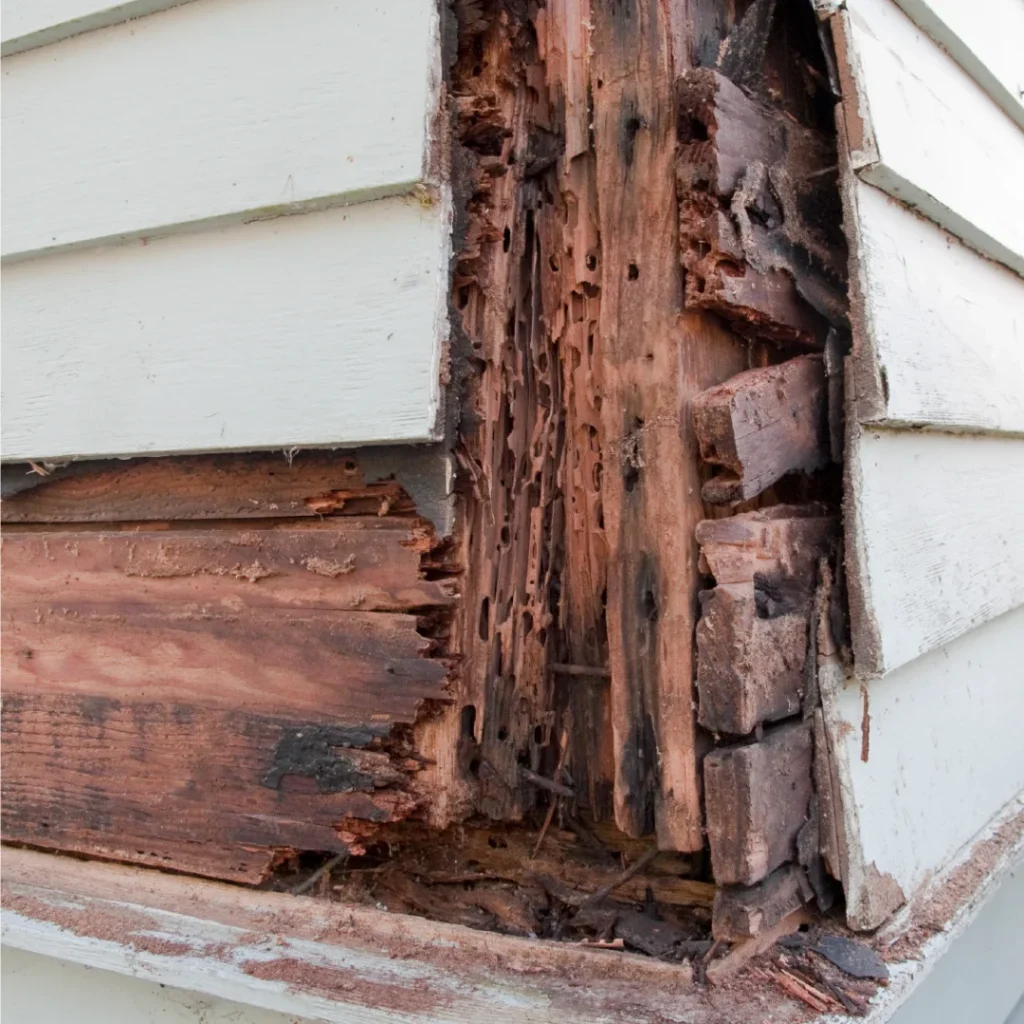
Stop timber decay at the source
Wet Rot Treatment
Wet rot develops when timber is exposed to prolonged moisture, leading to softening and loss of structural strength. It is commonly caused by leaks, penetrating damp, condensation, or inadequate ventilation. Quick drying or surface treatments fail because the moisture source remains active. We identify and eliminate moisture sources before treating or replacing affected timber and applying preservative protection. This restores timber stability and prevents further decay.
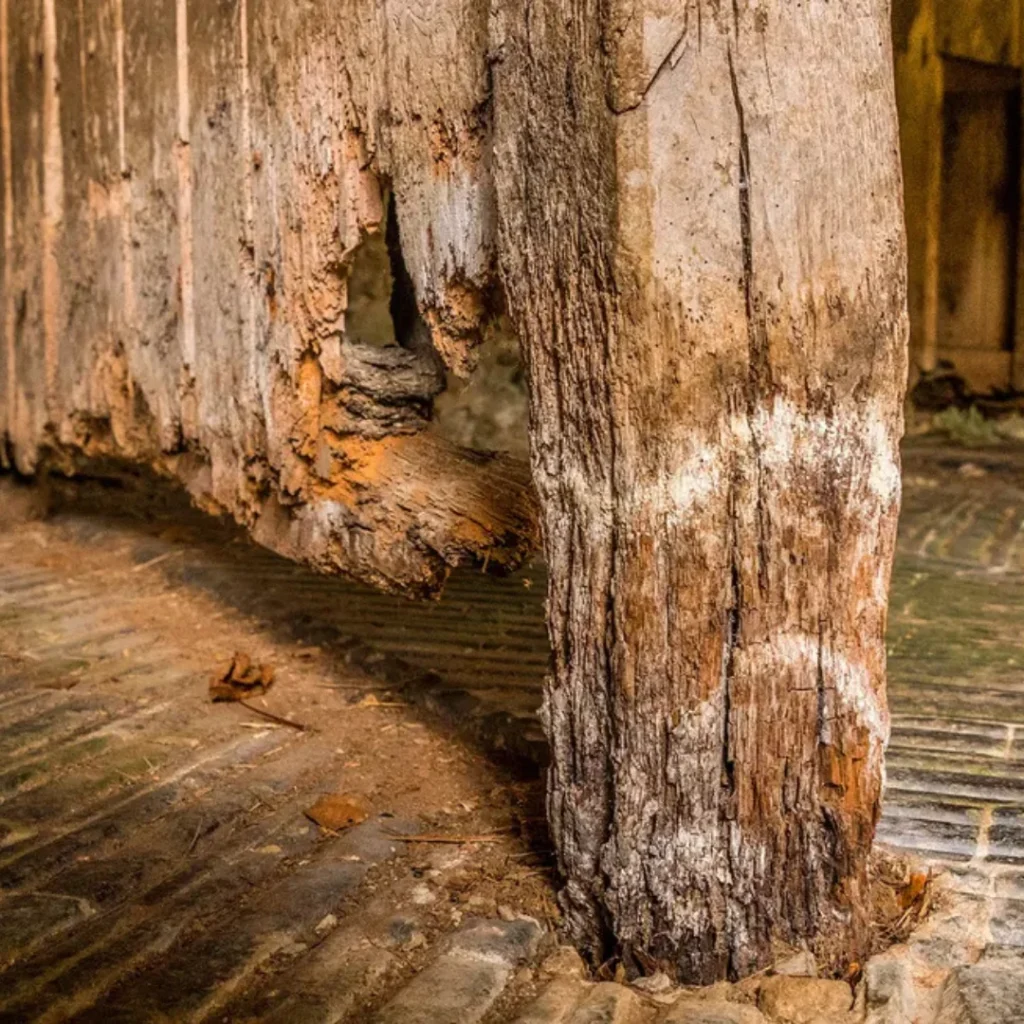
Stop hidden structural damage—before it becomes a major rebuild.
Dry Rot Treatment
Dry rot is an aggressive fungal decay that can spread through timber and adjacent masonry, often beyond the original damp source. It thrives in poorly ventilated conditions and can remain hidden until advanced damage occurs. Localised repairs fail because the fungus continues to spread unseen. Our approach involves full investigation, containment, removal of infected timber, fungicidal treatment, and environmental correction. This ensures complete eradication and long-term protection.
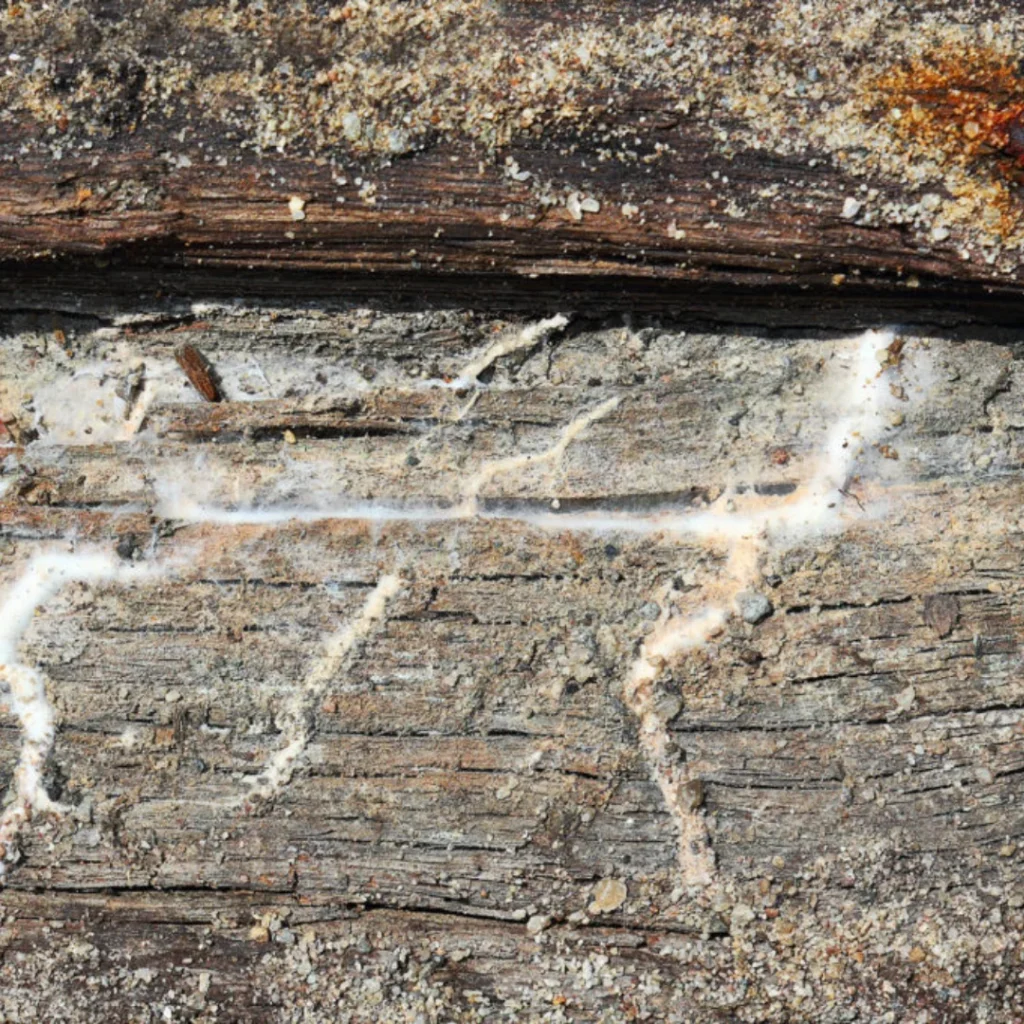
Protect floors, joists and beams—without unnecessary disruption.
Woodworm Treatment
Cold wall damp is caused by condensation forming on under-insulated or thermally inefficient walls, often mistaken for leaks or rising damp. It happens when warm indoor air meets cold wall surfaces, allowing moisture to condense repeatedly. Quick fixes like anti-mould paint or increased heating fail because the wall temperature remains unchanged. Proofterior assesses surface temperatures, insulation gaps, ventilation balance, and humidity levels. Solutions may include thermal lining systems, insulation upgrades, vapour control strategies, and ventilation improvements. The result is warmer wall surfaces, reduced condensation risk, and healthier indoor air quality.
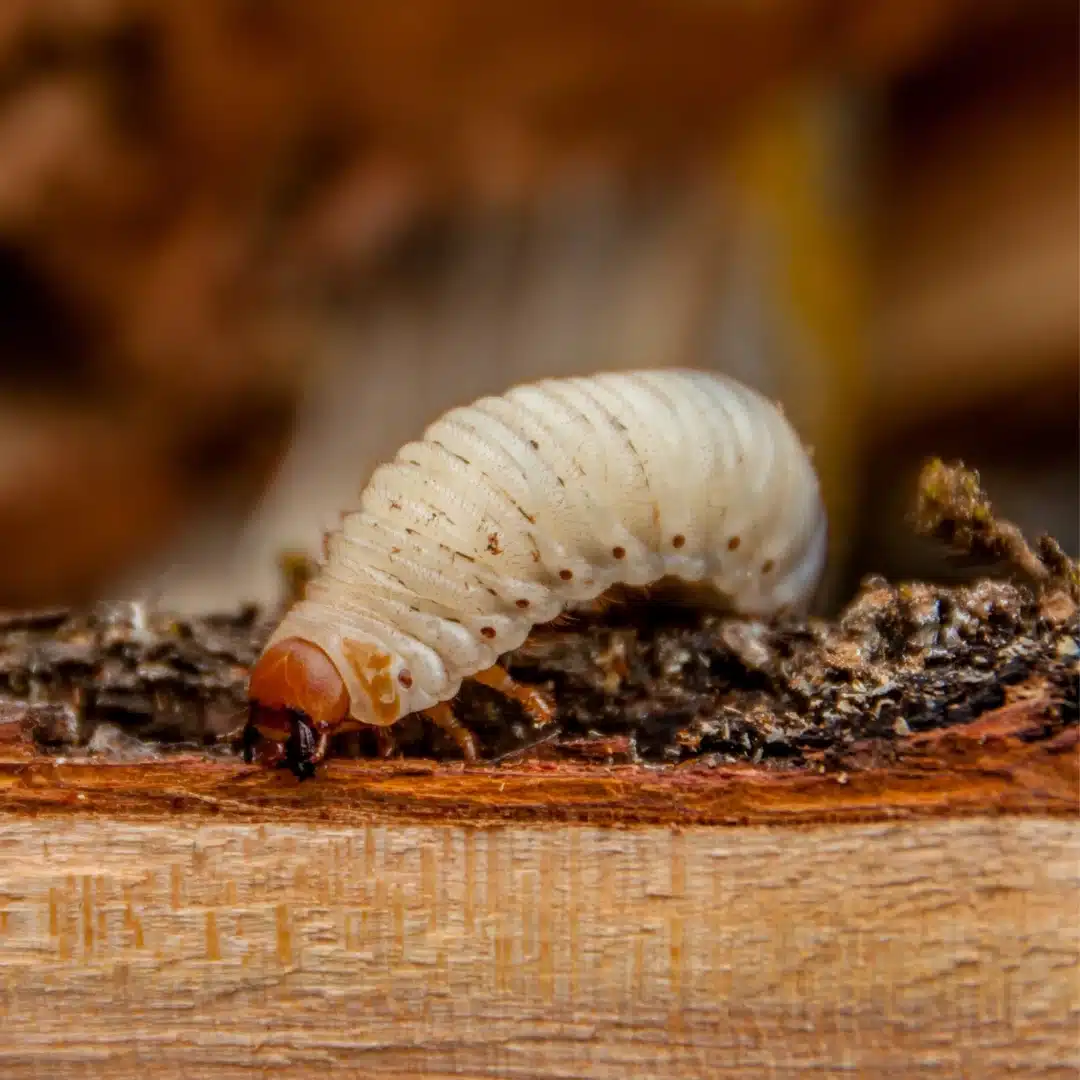
Timber Protection Solutions We Offer
- Insecticidal treatment for wood-boring beetles.
- Fungicidal treatment for rot.
- Timber replacement for floors, joists, and wall plates.
- Damp-proofing to control moisture.
- Floor and wall membrane systems for basements and subfloors.
- Prevention advice and airflow improvement services.
Working to your timeline
Get a Quote and report in as Little as 24 Hours
Book your free damp survey today and receive a clear diagnosis and fixed-price quote in as little as 24 hours. We cover Dorset and Hampshire, specialising in damp proofing, mould removal, timber treatment and ventilation.