
Woodworm Treatment Specialists in Dorset and Hampshire - Accurate infestation diagnosis, targeted treatment, and long-term timber protection
Woodworm infestation can cause serious internal timber damage if left untreated, often progressing unnoticed for years. Effective treatment depends on correctly identifying the insect species, confirming whether the infestation is active, and protecting timber against future attack. At Proofterior, all woodworm treatments are survey-led and evidence-based, carried out by our in-house specialists using proven systems designed for long-term timber protection rather than temporary fixes.
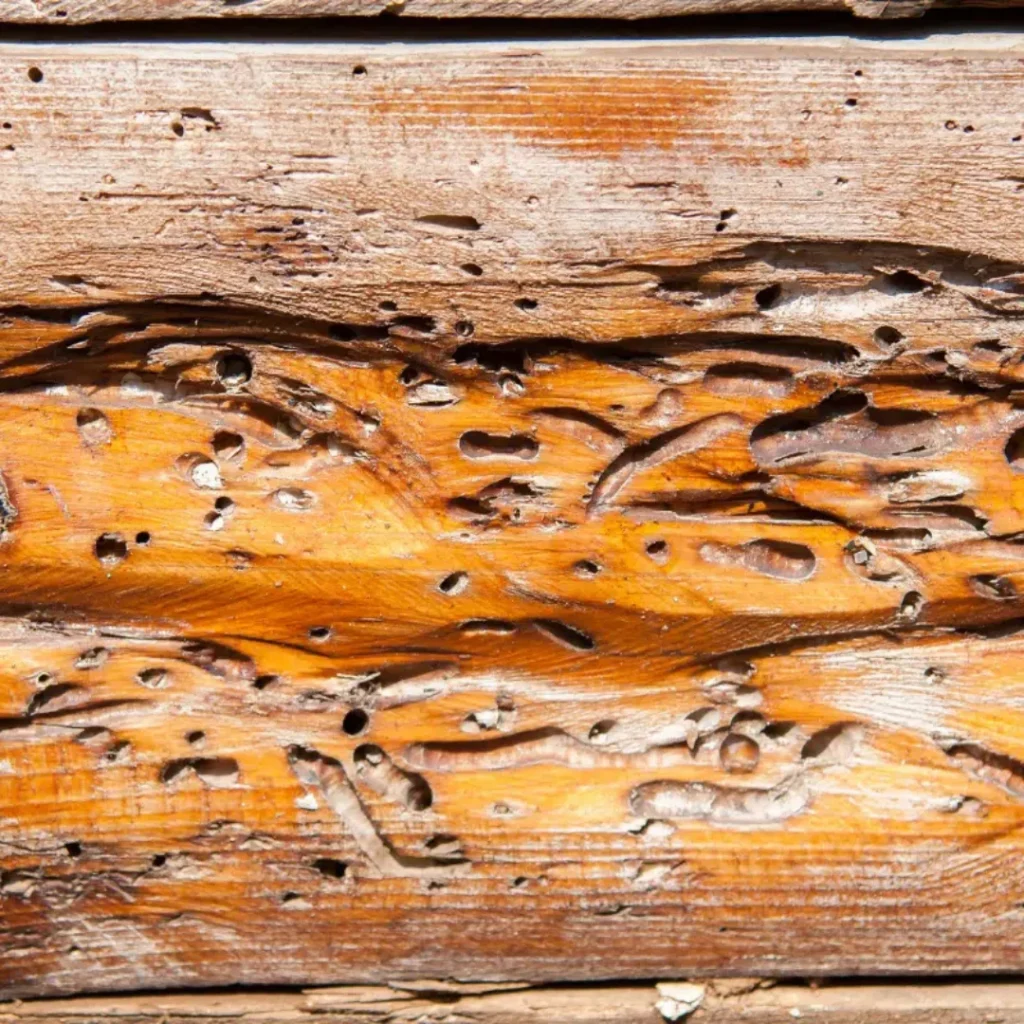
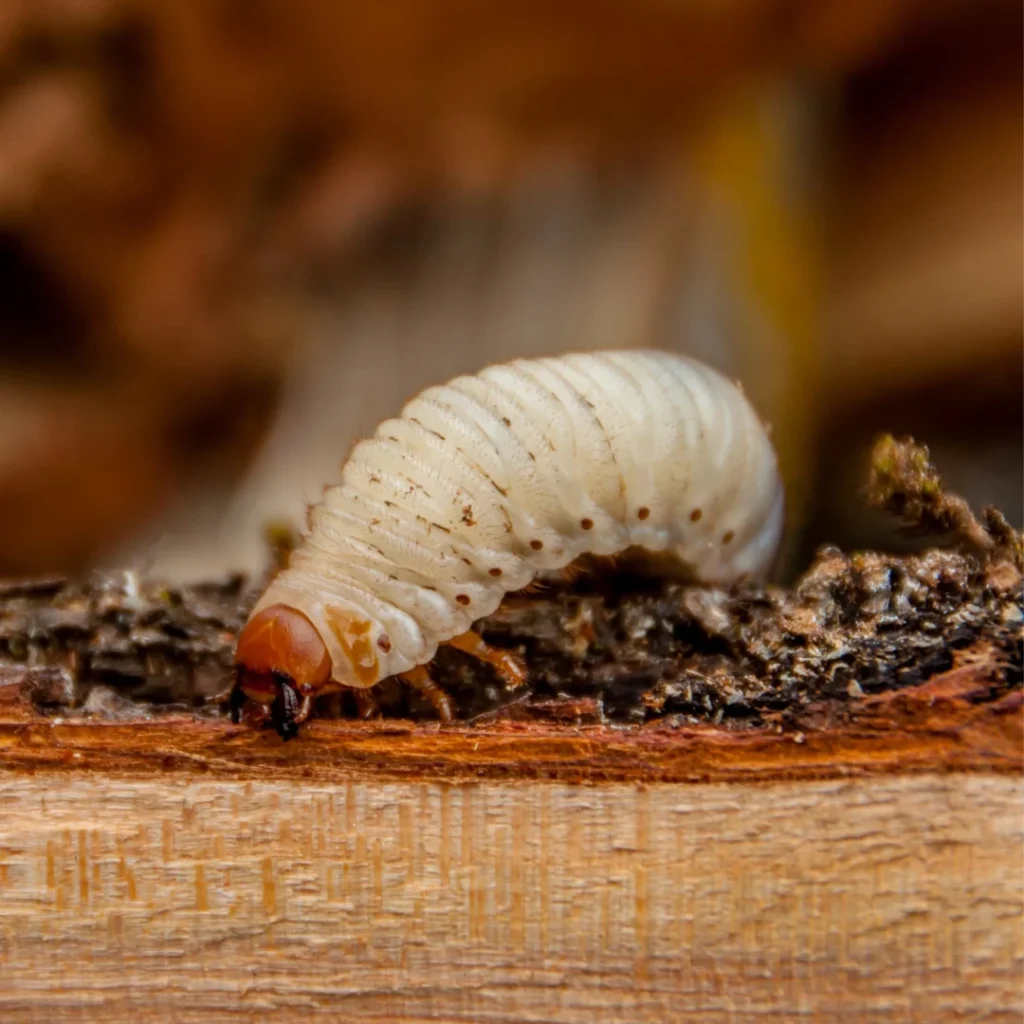
Woodworm is the common term used to describe timber infestation caused by wood-boring beetles, such as the Common Furniture Beetle, Deathwatch Beetle, or House Longhorn Beetle. Damage is caused by larvae feeding within the timber, often unseen until exit holes or fine dust become visible. Signs of infestation:
Small round holes in timber (1–2mm diameter)
Powdery dust (frass) beneath timber or inside holes
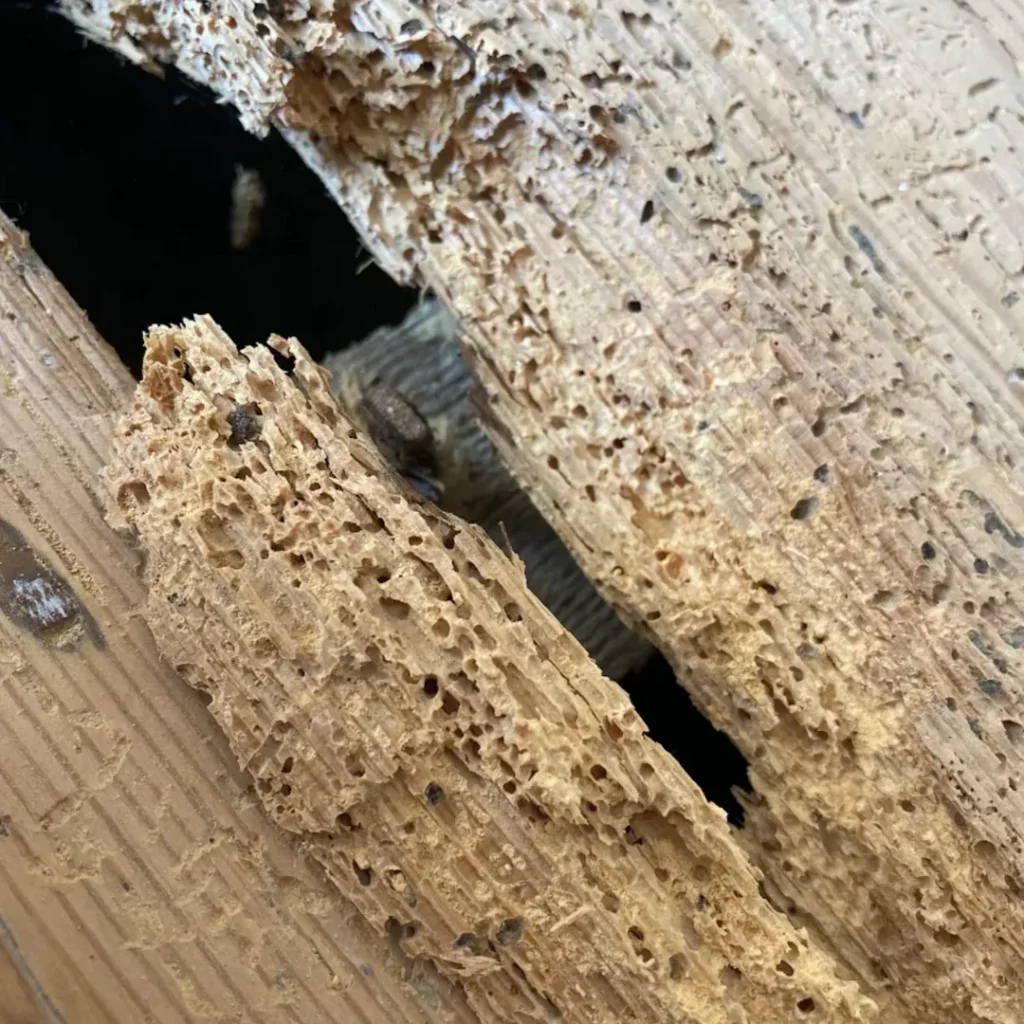
Crumbling edges on joists, beams, or floorboards
Tunnels visible inside exposed wood
Presence of beetles or larvae
Different species behave differently, which is why accurate identification is critical.
Woodworm infestation develops when conditions allow beetles to lay eggs and larvae to survive within timber. Contributing factors include:
Damp or poorly ventilated timber
Elevated moisture content within wood
Untreated or previously infested timber
Older properties with historic timber exposure
Moisture control plays a key role, as damp timber is far more vulnerable to infestation.
Woodworm is often mistreated using DIY sprays or surface-only applications. These methods fail because they do not penetrate deeply enough to interrupt the insect life cycle or address environmental conditions. Common ineffective approaches include:
Treating without confirming active infestation
Using non-specific insecticides
Ignoring moisture and ventilation issues
Masking damage without timber repair
Without correct identification and targeted treatment, infestation may continue unnoticed.
Our Woodworm Treatment Process
Every property is unique, and so is our approach. Woodworm infestation is addressed using a structured, diagnostic-led process designed to confirm activity, treat affected timber effectively, and prevent recurrence.
All accessible timbers are visually inspected, including floors, joists, roof structures, and internal joinery. Probing is used where appropriate to check for hidden internal damage, and signs such as exit holes and frass are examined. The specific wood-boring beetle species is identified, moisture levels contributing to infestation are assessed, and a detailed report and treatment plan are provided.
Survey findings are analysed to confirm whether the infestation is active or historic and to determine its extent. Timber moisture levels are reviewed using specialist detection methods to understand environmental conditions that may be encouraging infestation and to ensure treatment is correctly specified.
Appropriate treatment methods are selected based on species and activity level. This may include insecticidal sprays or fogging for surface infestations and deep-penetrating treatments for active woodworm within timber. Where timber is heavily infested or structurally compromised, affected sections are removed and replaced using treated timber.
Measures are implemented to reduce future risk, including moisture control and ventilation improvements where required. All works are supported by full aftercare guidance and insurance-backed guarantees to provide long-term timber protection and peace of mind.
Areas We Cover
Proofterior provides independent damp surveys and specialist damp proofing services across Dorset, Hampshire, and surrounding areas. We work with homeowners, landlords, property managers, and buyers who need clear answers, accurate diagnosis, and long-term solutions, not guesswork or sales-driven recommendations.
Frequently Asked Questions About Woodworm
What is woodworm?
Woodworm is the term for the larval stage of various wood-boring beetles that tunnel into timber, leaving holes and structural damage.
How do I know if it's active?
Active infestations may show fresh frass (dust), live beetles, or soft, hollow-sounding wood. We can confirm during an inspection.
Is it dangerous to ignore?
Yes. Over time, woodworm can weaken floor joists, rafters, and other key structural elements, putting your home at risk.
Can woodworm come back?
Our treatments are long-lasting and prevent reinfestation. We also help address damp or ventilation issues that attract beetles.
Do you offer guarantees?
Yes, all our woodworm treatments come with an insurance-backed guarantee for your peace of mind