
Basement & below-ground waterproofing in Dorset & Hampshire - Protecting below-ground spaces from water ingress and long-term damp damage
Basements and below-ground rooms are naturally vulnerable to water ingress. Because they sit below ground level, surrounding soil constantly holds moisture against the structure. Without proper waterproofing, water can penetrate through walls, floors, joints, and construction weaknesses, leading to damp, mould, structural deterioration, and unusable living space.
At Proofterior, basement waterproofing is designed and installed following structured assessment, ensuring systems manage water effectively rather than simply hiding the symptoms.
Basement waterproofing is a system of protective measures designed to prevent groundwater and moisture from entering below-ground spaces. Unlike surface damp treatments, basement waterproofing manages water pressure acting on walls and floors.
In the UK, effective basement waterproofing follows principles set out in BS 8102 (Protection of Below Ground Structures Against Water Ingress), which recognises that waterproofing must either:
Block water from entering, or
Control and safely manage water if it penetrates the structure
A professional system ensures the space remains dry and protected long term.
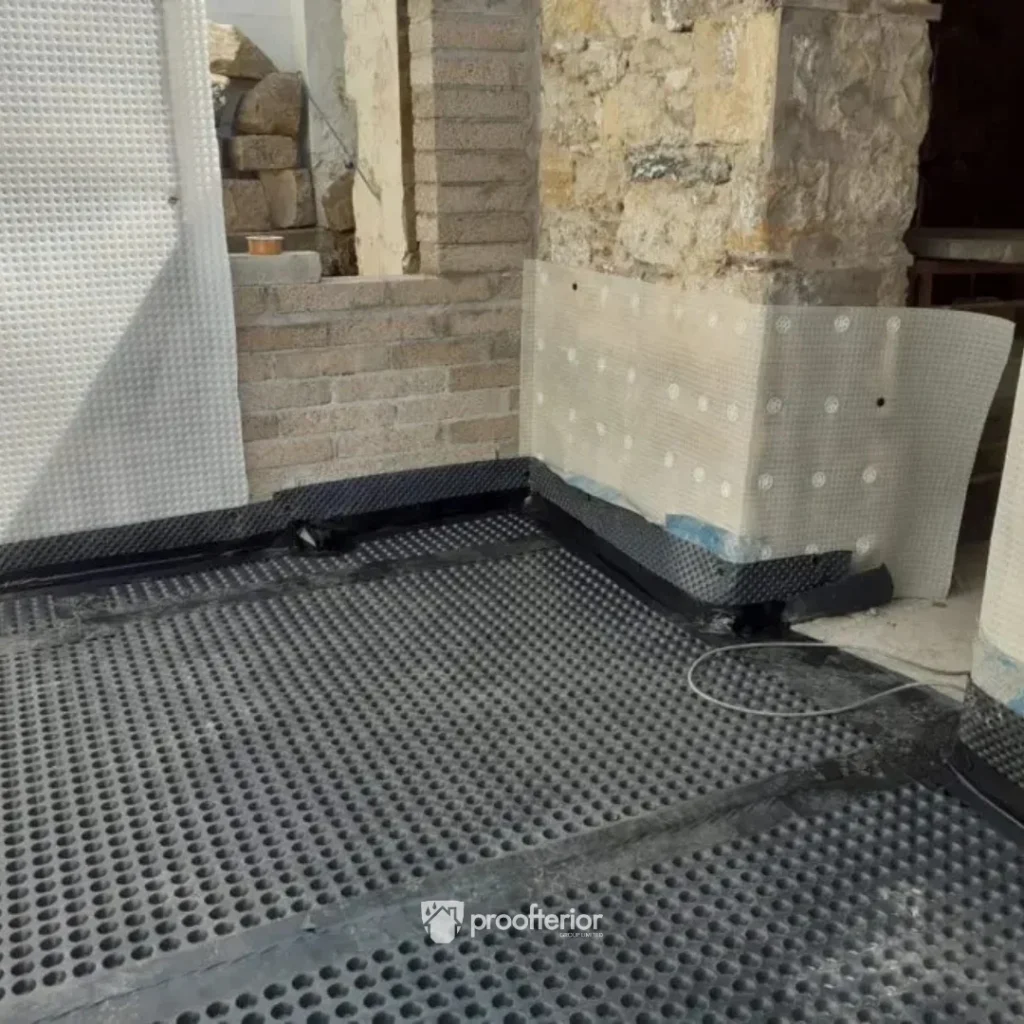
Below-ground structures are constantly exposed to moisture from surrounding soil. Common causes of basement damp include:
Hydrostatic pressure pushing groundwater through masonry
Cracks in walls or floors
Construction joints and weak structural points
Poor external drainage
High water tables
Ageing or failed waterproofing systems
Because basements are below ground level, gravity does not assist drainage in the same way it does above-ground walls. This makes waterproofing essential.
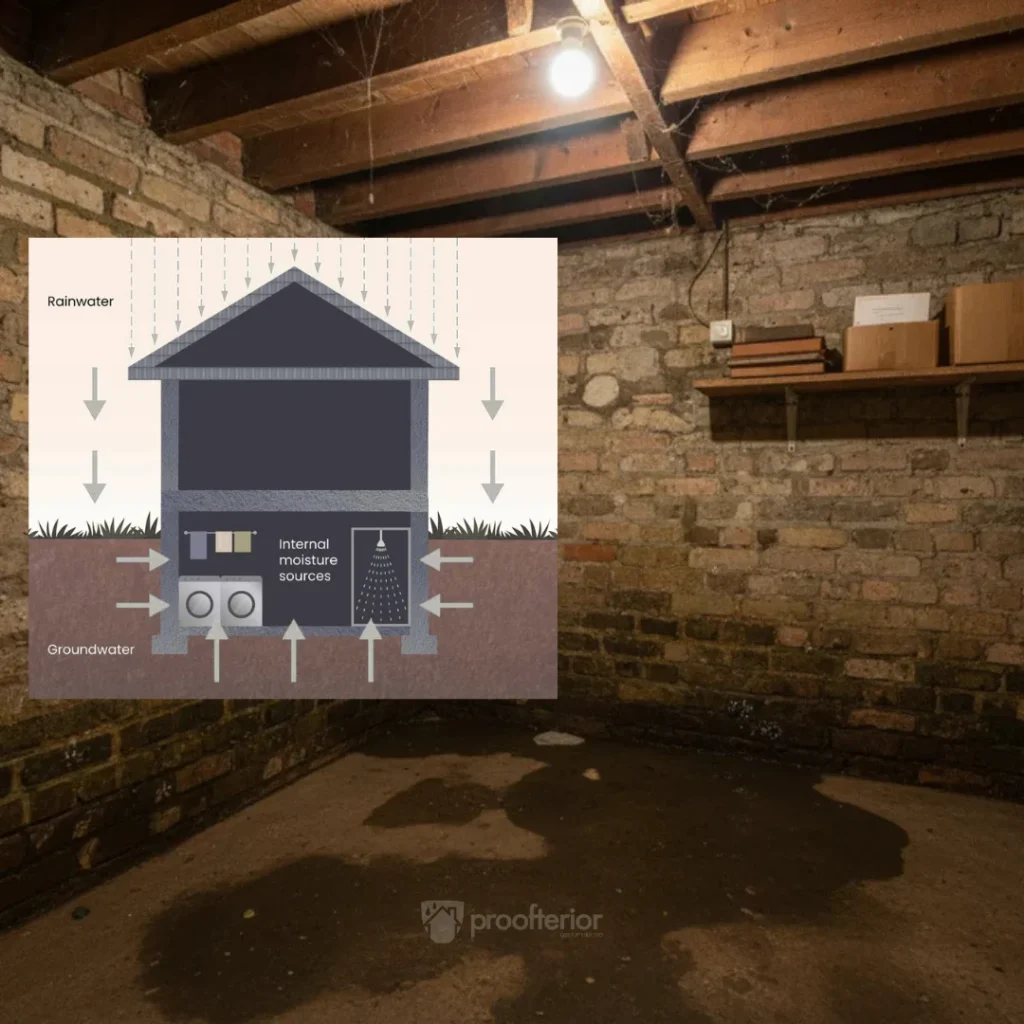
Without effective waterproofing, basements can suffer from:
Persistent damp walls and floors
Mould growth and musty odours
Salt contamination on surfaces
Timber decay in floor structures
Damage to plaster and finishes
Reduced usable space
Structural deterioration over time
Waterproofing systems stop or manage water ingress, making basements suitable for storage, utility rooms, or habitable conversion where appropriate.
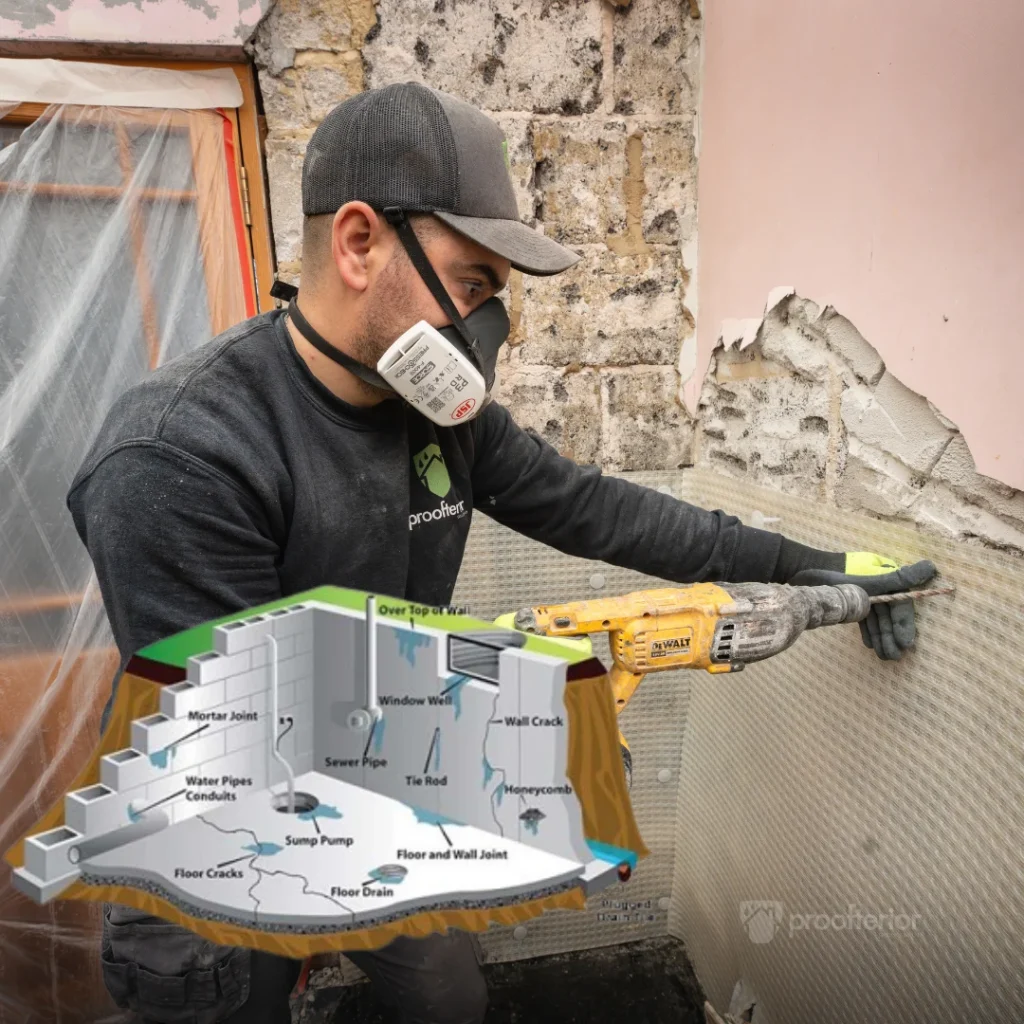
Basement damp does not resolve itself. Applying paint, surface sealants, or basic waterproof coatings without understanding water pressure and structural movement often results in failure. Over time, repeated moisture exposure can:
Weaken masonry
Damage internal finishes
Create unhealthy air conditions
Reduce property value
Increase repair costs
Proper waterproofing protects the structural integrity of the building and ensures below-ground spaces remain dry and usable.
Types of Basement Waterproofing Systems
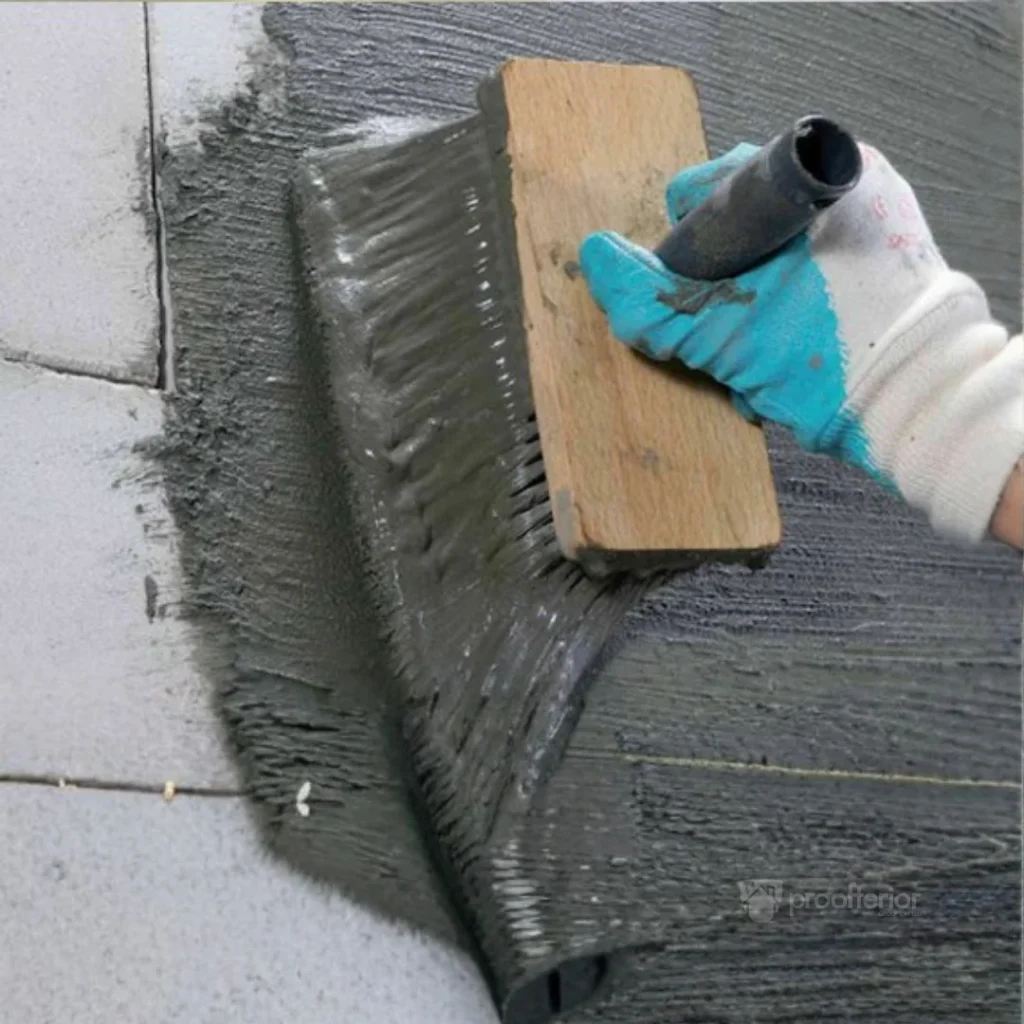
Barrier (Tanking) SystemsType A waterproofing, also known as Barrier Protection, prevents water ingress by applying a separate barrier to the structure. This system, often referred to as “Tanking,” involves using waterproof materials on the external walls and floor slabs of a basement or underground structure. These materials can be applied to the external or internal surfaces of the walls and floors, or even sandwiched between them, creating a barrier between the structure and groundwater.
These may include:
Cementitious tanking slurry
Bitumen-based coatings
Waterproof render systems
Best suited where structural movement is minimal and water pressure is moderate. Proper preparation and detailing are critical for performance.
Structurally Integral ProtectionType B waterproofing relies on the structure itself to provide water resistance. Structurally integral protection, is a system where waterproofing is incorporated directly into the construction of the basement structure. Instead of applying coatings or membranes after construction, the structure itself is designed to resist water ingress.
This is typically achieved using:
Waterproof concrete
Reinforced concrete with waterproofing additives
Special joint sealing systems
Water bars installed at construction joints
The concrete mix and structural detailing are specifically engineered to limit water penetration, meaning the building fabric itself forms the waterproof barrier.
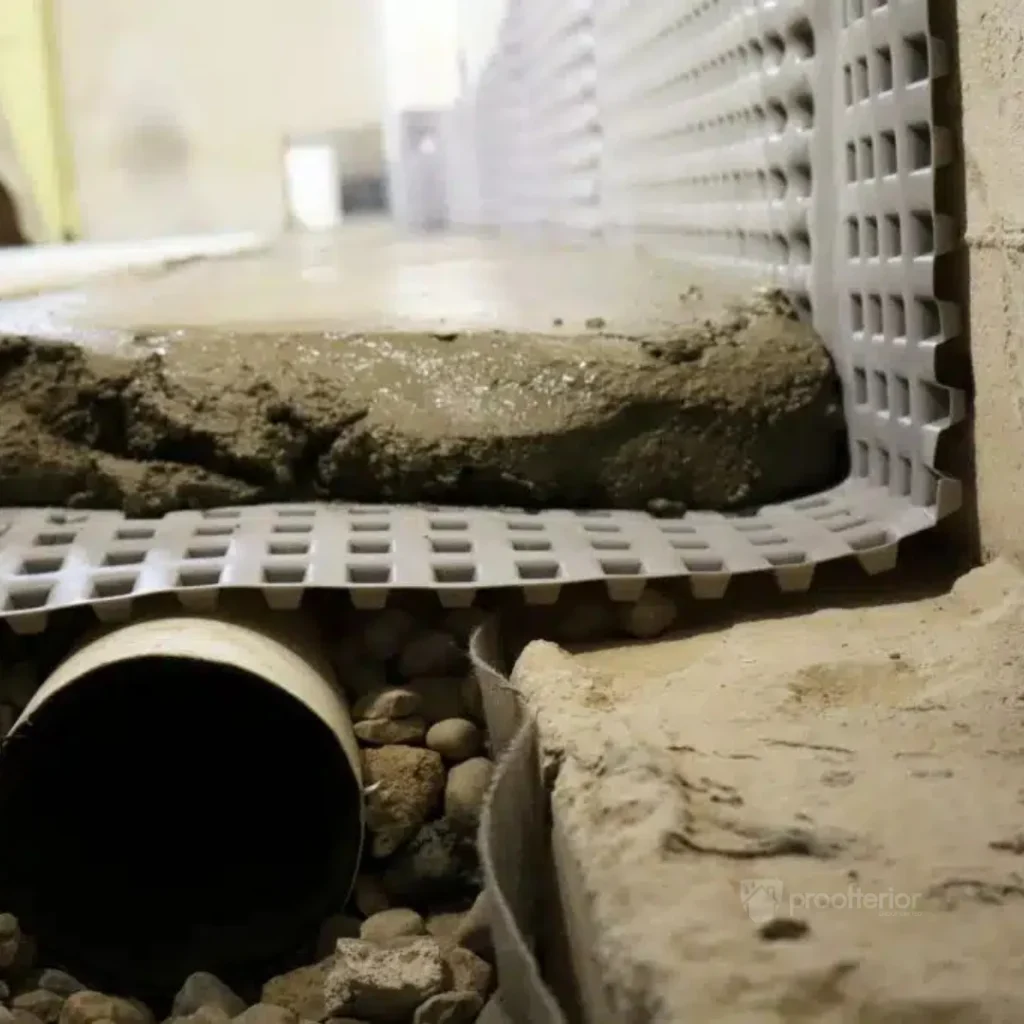
Cavity Drain Membrane SystemsThis is one of the most common remedial waterproofing systems in the UK.
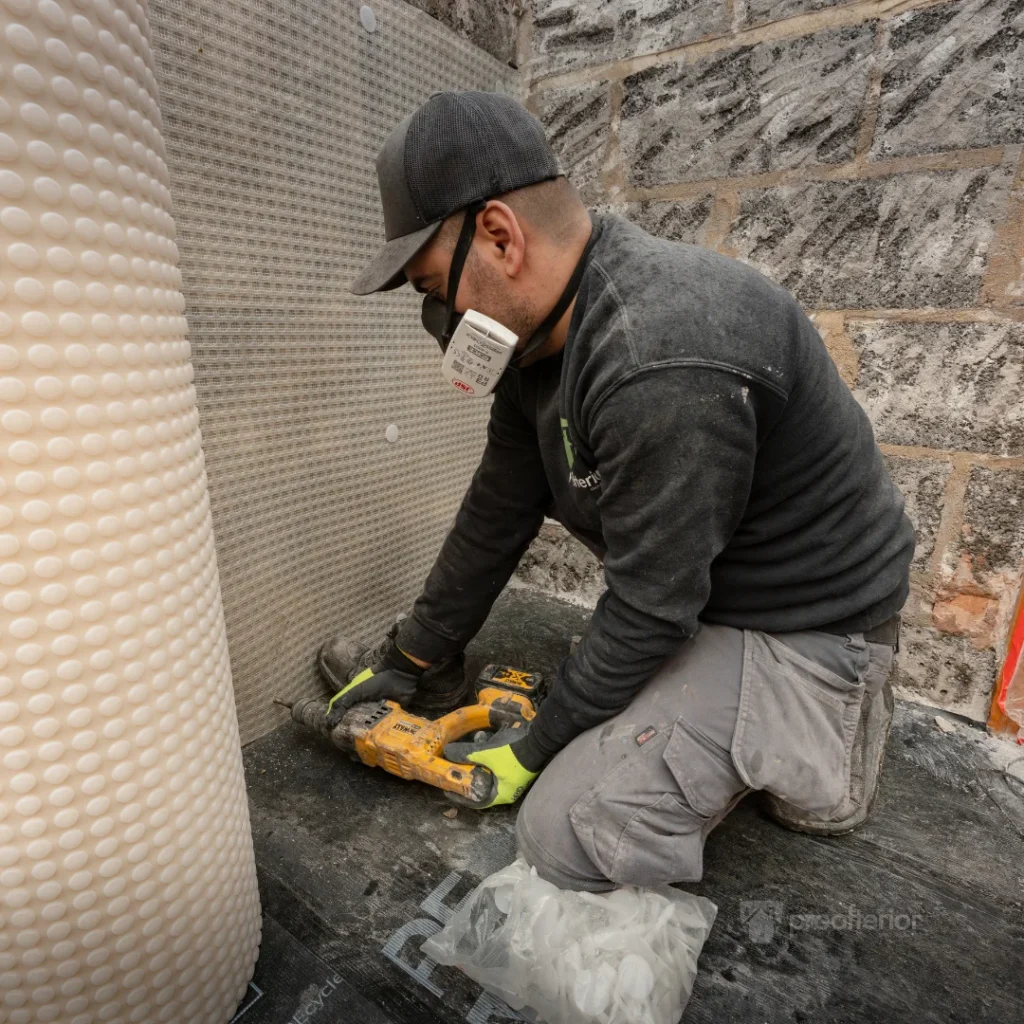
A cavity drain membrane is installed on internal walls and floors to manage water ingress rather than block it. Water is channelled behind the membrane into drainage systems and safely directed away via pumps or gravity drainage.
Benefits include:
Reduced reliance on perfect wall sealing
Controlled water management
Suitable for higher water table areas
Often preferred for habitable basement spaces
A professional design ensures the system is correctly drained and maintained.
When Should You Consider Basement Waterproofing
You may require basement waterproofing if you notice any of the following:
Damp or wet basement walls
Water pooling on floors
White salt deposits on masonry
Mould growth in below-ground rooms
Persistent musty smells
Plans to convert a basement into usable living space
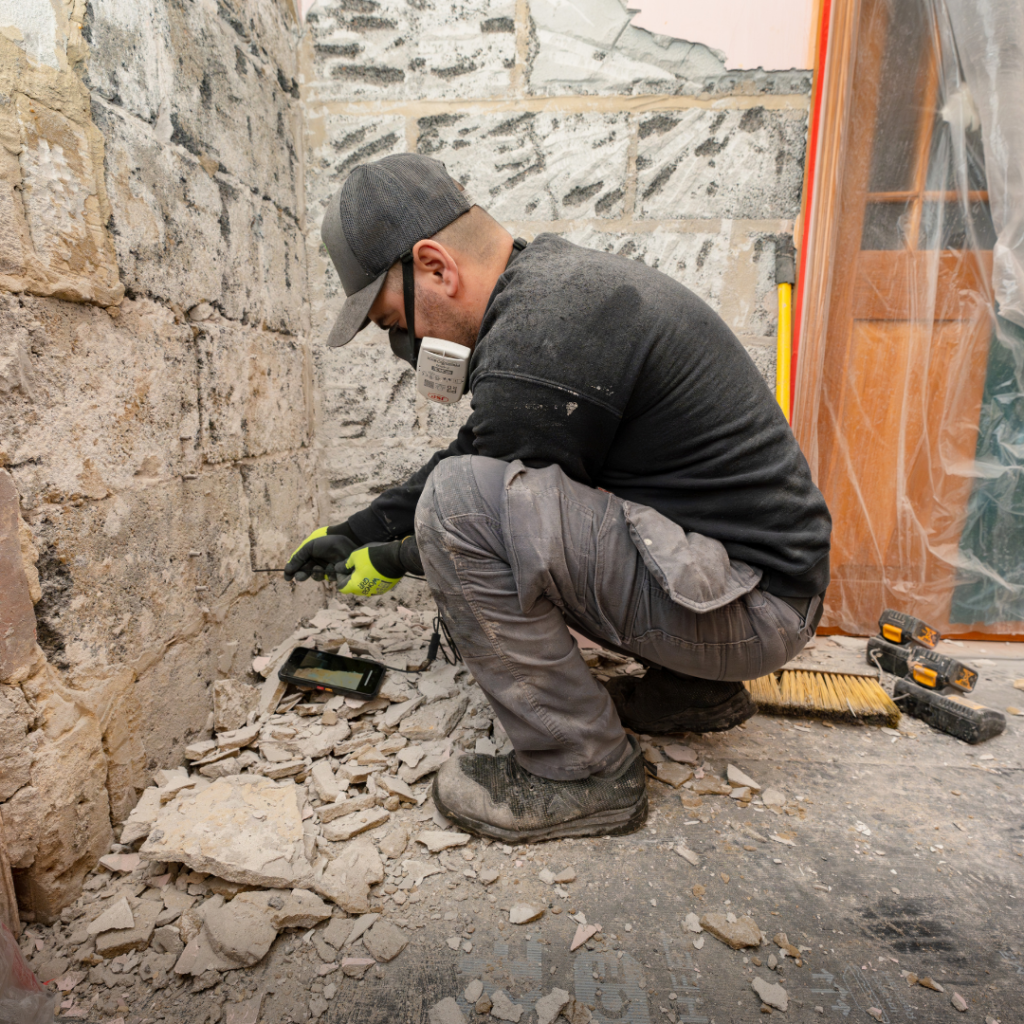
These signs often indicate ongoing water ingress or pressure against the structure. Left unresolved, moisture can weaken masonry, damage finishes, and increase the risk of mould and timber decay. Early assessment helps prevent more extensive structural issues and costly remedial works later.
Basement waterproofing is not simply about applying a coating or membrane. It requires an understanding of ground conditions, hydrostatic pressure, drainage pathways, and structural detailing. Hiring a specialist ensures the correct system is selected and properly installed. At Proofterior, every basement waterproofing project begins with a structured survey and risk assessment, ensuring solutions are designed to manage water effectively and deliver long-term protection rather than temporary relief.
Areas We Cover
Proofterior provides independent damp surveys and specialist damp proofing services across Dorset, Hampshire, and surrounding areas. We work with homeowners, landlords, property managers, and buyers who need clear answers, accurate diagnosis, and long-term solutions, not guesswork or sales-driven recommendations.